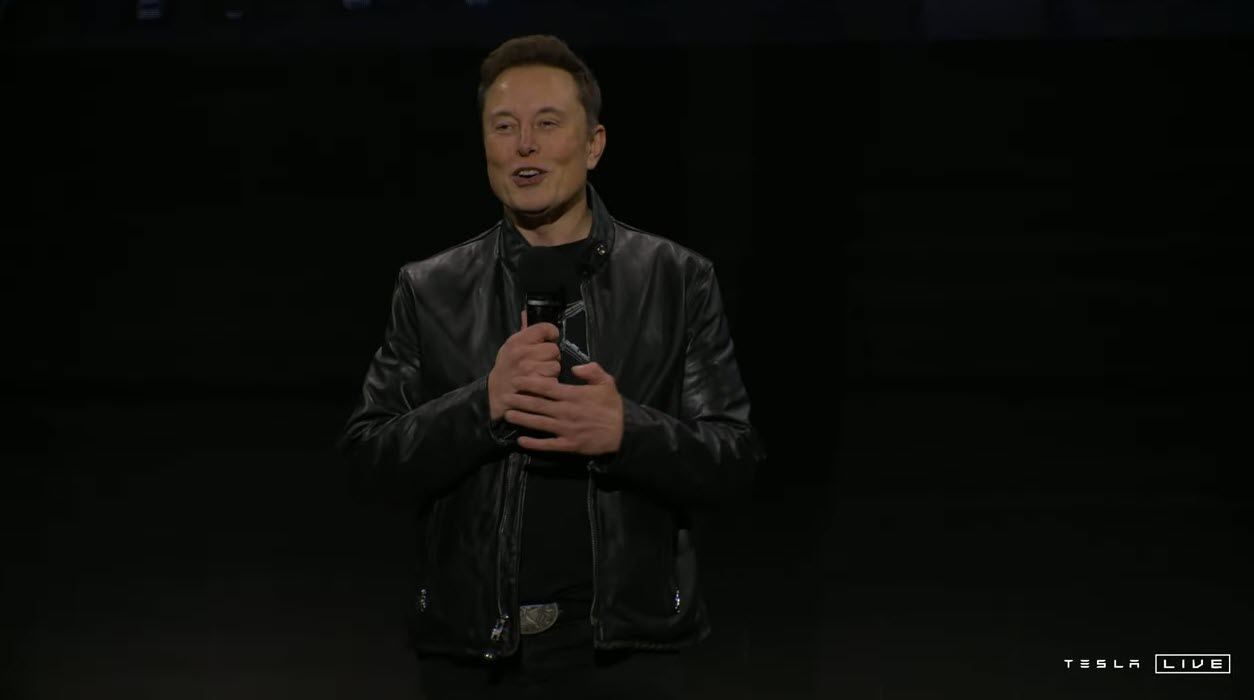
Tesla has taken a decisive formal step toward finalizing CEO Elon Musk’s landmark 2018 compensation package, filing a Form S-8 with the U.S. Securities and Exchange Commission (SEC) to register approximately 304 million shares of common stock. This move signals that the company is moving beyond shareholder votes and legal hurdles to actually issue the equity, a process that has been years in the making and carries profound implications for Tesla’s capital structure and Musk’s future role.
The Mechanics Behind the SEC Filing
The Form S-8 registration is a routine but critical administrative step. It allows Tesla to issue shares to employees and, in this specific case, to fulfill the tranches of Musk’s 2018 performance-based award. The 304 million shares represent the full potential allotment under the plan, which was originally approved by shareholders in 2018 but later voided by a Delaware court. Following a second shareholder ratification vote in 2024 and recent legal appeals, Tesla’s board is now executing the paperwork to make the shares deliverable. This registration does not automatically grant Musk the shares—he must still meet the operational milestones tied to each tranche—but it clears the regulatory path for issuance.
What This Means for Tesla and Musk’s Control
If fully vested, the 304 million shares would represent a massive dilution event for existing shareholders, increasing Tesla’s outstanding share count by roughly 9% to 10%. However, this dilution is already priced into the stock to some degree, given the long-standing awareness of the plan. For Musk, the registration is a critical lever: it secures his ability to eventually own the shares, which would reinforce his voting power and align his personal wealth with Tesla’s long-term market capitalization targets. The filing also serves as a signal to investors that the board is committed to honoring the original compensation structure, despite ongoing legal challenges from shareholder plaintiffs who argue the package was excessive.
Implications for Tesla Owners and Investors
For Tesla shareholders, the immediate takeaway is that the compensation saga is nearing its final chapter. While the 304 million shares represent a near-term dilutive overhang, the package is designed to reward Musk only if Tesla achieves extraordinary valuation milestones—some exceeding $650 billion in market cap. This means that for Musk to fully benefit, Tesla’s stock must perform exceptionally well, creating a strong incentive alignment. For Tesla owners and the EV community, the resolution removes a persistent distraction, allowing Musk and the company to focus fully on product launches, the Cybertruck ramp, and scaling Full Self-Driving technology. Investors should monitor the Delaware court’s final ruling on the package’s legality, but the SEC filing suggests Tesla is preparing for a favorable outcome. In the near term, expect continued volatility as the market digests the dilution mechanics, but the long-term thesis remains tied to Tesla’s execution in the hyper-competitive electric vehicle landscape.