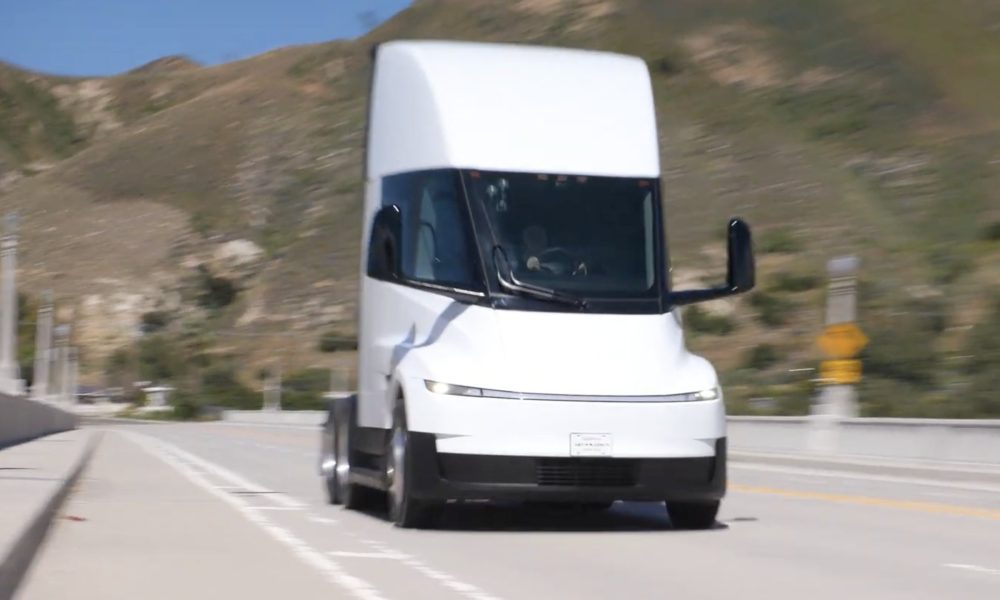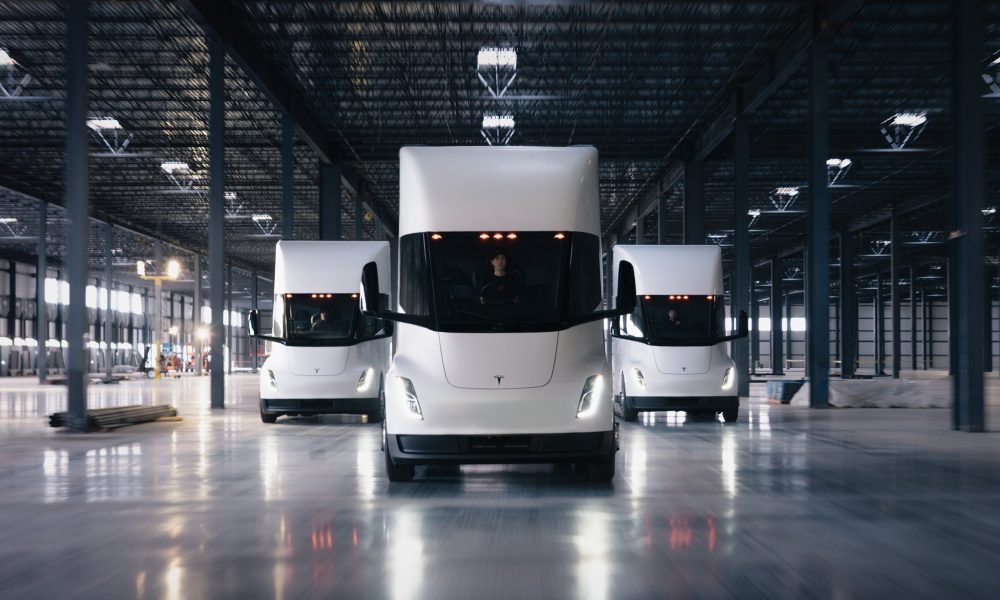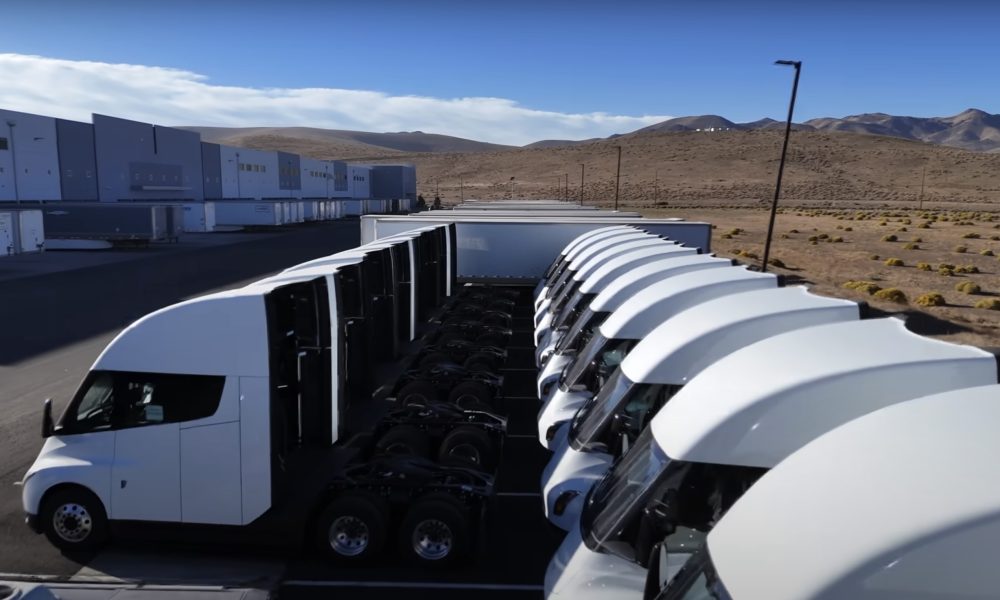
After years of anticipation and a meticulously documented pilot phase with major corporations, Tesla has officially opened the doors to its first factory dedicated solely to the Tesla Semi. This isn't just another production line in an existing facility; it's a purpose-built, high-volume plant in Nevada that signals Tesla's transition from proving the Semi's concept to seriously disrupting the freight industry. The opening marks a pivotal moment, but it's a single, staggering detail about its planned output that truly underscores the scale of Tesla's ambition.
A Factory Built for Scale, Not Just Symbolism
The new facility, strategically located near Gigafactory Nevada, is designed from the ground up for the unique manufacturing demands of a Class 8 electric truck. This dedicated approach allows for optimized workflows, specialized tooling, and a focus on ramping production without competing for space or resources with Tesla's passenger vehicles. The company is moving beyond the boutique production of prototypes for PepsiCo and others, aiming to meet the surging demand from fleet operators who have seen the Semi's potential to slash fuel and maintenance costs. This factory is the tangible answer to the question of how Tesla plans to deliver its long-haul electric vehicle at volume.
The "Detail That Changes Everything": 50,000 Units Per Year
While the factory's opening is significant, the transformative detail is its reported production target: 50,000 Tesla Semi trucks annually. This figure is not merely ambitious; it is industry-redefining. For context, the entire U.S. market for Class 8 trucks typically sees sales of around 250,000 units in a strong year. Tesla's target suggests it aims to capture a 20% market share in this segment with a single, all-electric model. This level of projected scale indicates profound confidence in both the product's readiness and the market's appetite for electrification, promising to bring down unit costs through economies of scale and accelerate the adoption curve for heavy-duty electric vehicles nationwide.
This aggressive target is likely predicated on the accelerating adoption from major fleet operators. Companies like PepsiCo, Walmart, and UPS have not only placed early orders but have reported compelling operational data, including substantial energy cost savings and exceptional reliability. The opening of a dedicated factory gives these and other waiting customers a concrete timeline for scaling their own zero-emission logistics, moving from pilot programs to full-scale fleet integration. It transforms the Tesla Semi from a promising experiment into a foreseeable, high-volume reality for the freight industry.
Implications for Tesla Owners and Investors
For Tesla investors, the Semi factory is a clear move into a massive new addressable market with higher price points and a powerful recurring revenue stream from energy and service. Success here could open a major new profit center beyond the consumer EV space. For Tesla owners and advocates, the Semi's scaling validates the company's broader mission by directly targeting one of transportation's most challenging emissions sectors. Furthermore, the technological advancements in battery efficiency and charging infrastructure developed for the Semi will inevitably trickle down to benefit future generations of Tesla's passenger electric vehicles, reinforcing the company's integrated technological ecosystem.