Tesla's relentless pursuit of charging infrastructure dominance has entered a new, hyper-efficient phase. The company is deploying a game-changing hardware innovation: the folding V4 Supercharger. This isn't just a minor iteration; it's a logistical revolution designed to supercharge the pace of network growth. By dramatically reducing the cost and complexity of installation, this new design is the physical key enabling Tesla's most aggressive global expansion campaign to date.
The Engineering Breakthrough: Logistics Unfolded
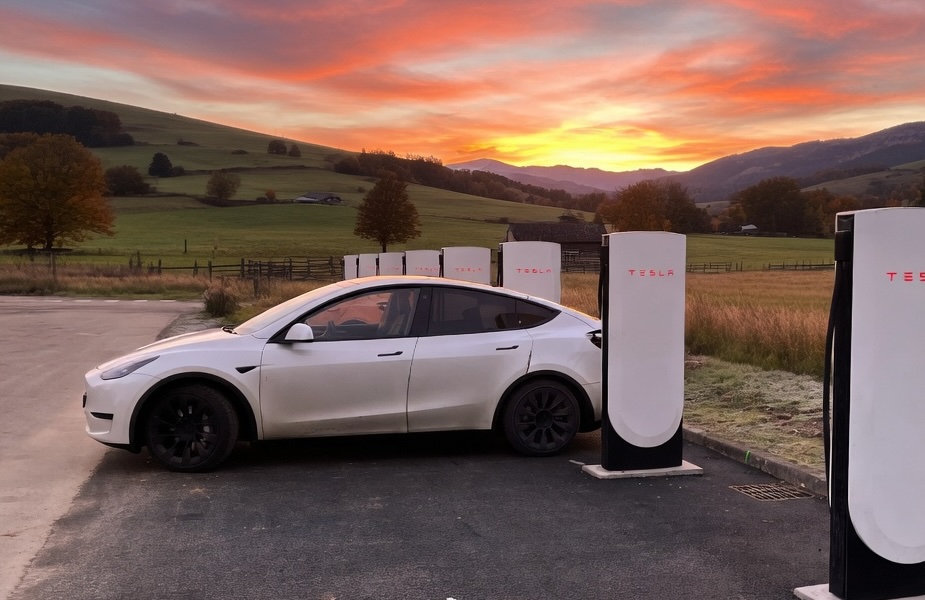
The core advancement lies in a brilliantly simple design change. Unlike previous generations, the new V4 Supercharger cabinet ships pre-assembled with its critical power electronics and cable management system already integrated. Crucially, its structural frame folds flat for transport. This single innovation allows Tesla to load 33% more units per delivery truck, slashing shipping costs and freight volume immediately. Upon arrival at a site, the cabinet is simply unfolded and bolted into its foundation—a process that significantly cuts down on the skilled labor and time required for assembly in the field.
Turbocharging the Expansion Roadmap
This logistical leap arrives at a pivotal moment. Tesla is executing a massive charging network build-out, targeting existing markets and new regions simultaneously. The efficiency gains are transformative. Reduced shipping and deployment costs mean each capital dollar stretches further, allowing more stalls to be activated for the same investment. Furthermore, the shortened on-site installation timeline accelerates the "permitting-to-plug-in" cycle, enabling faster revenue generation from each new location. In the competitive EV landscape, speed of infrastructure deployment is a critical moat, and Tesla is now pouring concrete for that moat at an unprecedented rate.
The strategic implications extend beyond Tesla's own fleet. As the company continues to open its network to other electric vehicle brands through the North American Charging Standard (NACS) adoption wave, reliable, high-speed charging availability is paramount. The folding V4 Supercharger, often equipped with longer cables to accommodate various port locations, allows Tesla to scale this universal infrastructure rapidly. It ensures that both Tesla drivers and new customers from rival brands encounter a seamless, expanding charging ecosystem, reinforcing Tesla's position as the de facto charging standard.
Implications for Owners and Investors
For Tesla owners and investors, this development is a powerful accelerant. Owners will benefit from a rapidly densifying Supercharger network, reducing range anxiety and wait times even as the fleet grows. The increased deployment efficiency directly improves the profitability and return on investment of the Supercharging business unit, a segment with significant future revenue potential. For investors, it demonstrates Tesla's deep competitive advantage in vertical integration—not just in car manufacturing, but in creating a scalable, cost-effective energy ecosystem that supports the entire EV transition. This logistical edge makes Tesla's aggressive expansion targets more credible and financially sustainable, underpinning the long-term value of the company's integrated model.