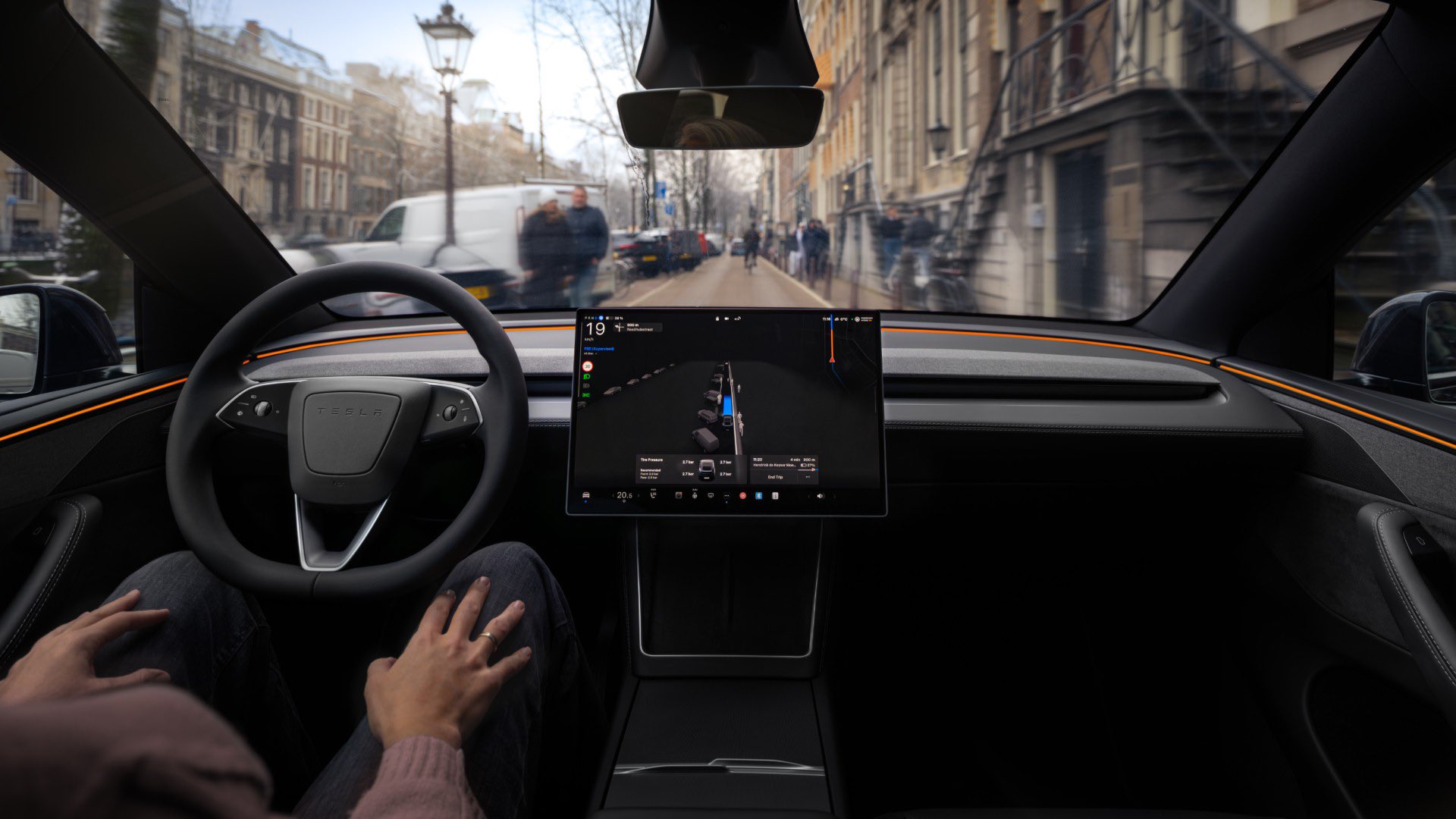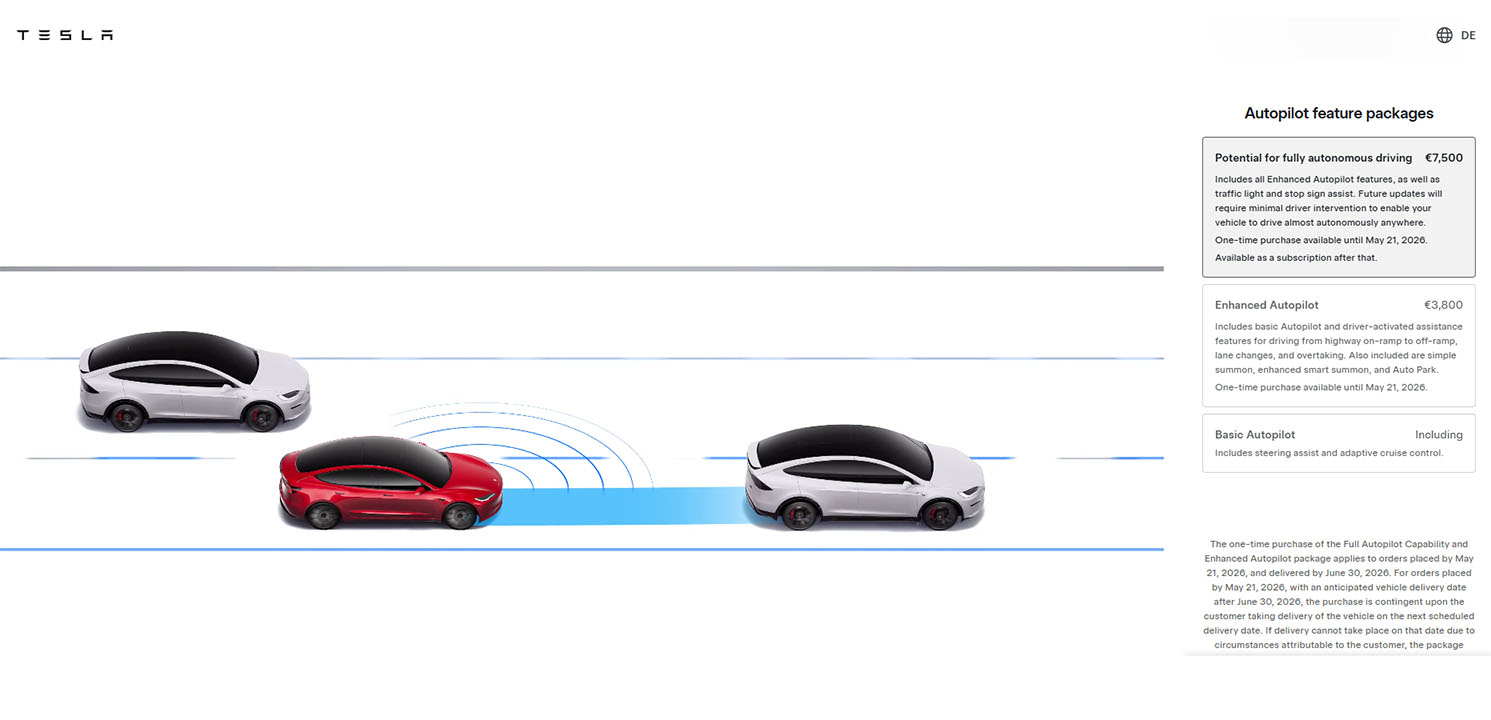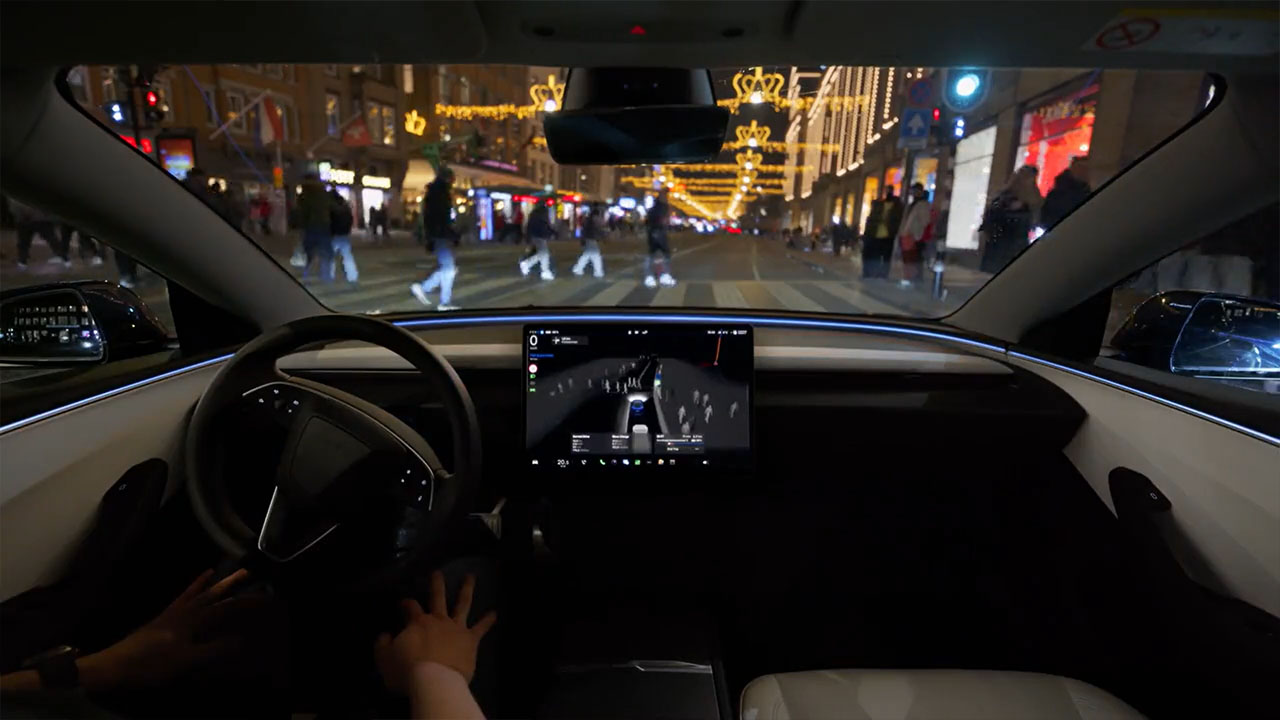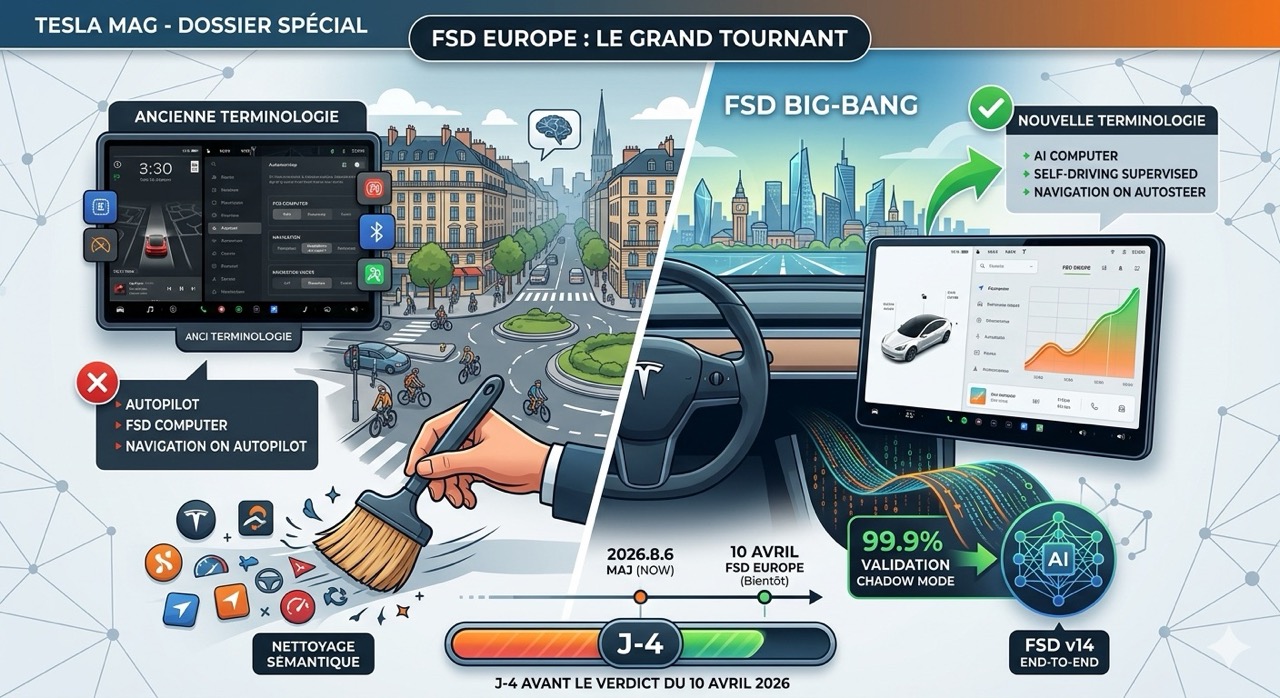
For European Tesla owners, this morning's notification for update 2024.8.6 likely elicited a collective shrug. Its sparse release notes, mentioning only minor bug fixes and improvements, belied its monumental importance. This unassuming software patch is the opening salvo in Tesla's most critical European campaign since the Model 3's debut: a continent-wide technical and semantic "Grand Cleanup" designed to pave the regulatory and perceptual runway for the imminent launch of Full Self-Driving (FSD) software.
The Semantic Shift: From "Autopilot" to "Assisted Driving"
At the heart of this update is a fundamental rebranding. Tesla is systematically replacing the term "Autopilot" with "Assisted Driving" across the vehicle's user interface and communications in Europe. This is far more than a linguistic tweak; it's a strategic pivot to align with stringent European Union regulations and public sentiment. The term "Autopilot," while technically a brand name, has long been criticized for potentially overstating the system's capabilities. By adopting the more precise and legally cautious "Assisted Driving," Tesla is proactively addressing regulatory concerns and resetting driver expectations to emphasize the supervised nature of the technology, a crucial step before introducing the more advanced FSD suite.
Technical Groundwork and Regulatory Alignment
Beyond the name change, the update lays essential technical groundwork. It includes critical refinements to core Autopilot/Assisted Driving functionalities, ensuring they operate with flawless precision under Europe's diverse and complex driving conditions—from narrow medieval city streets to high-speed autobahns. This "cleanup" involves optimizing sensor calibration, refining object recognition for region-specific signage and road layouts, and enhancing system behavior to meet exacting UNECE (United Nations Economic Commission for Europe) standards. The goal is to present European regulators with a mature, predictable, and compliant driver-assistance foundation upon which the more complex FSD can be securely built.
The timing and nature of this update reveal a company in lockstep preparation with authorities. Tesla is not merely dropping a new feature; it is meticulously staging its arrival. By first standardizing and fortifying the base-level assisted driving experience across its entire European fleet, Tesla creates a consistent platform. This allows for a smoother, safer, and more defensible rollout of FSD Beta, as both the vehicle's systems and the driver's understanding of their role are clarified and hardened in advance.
For Tesla investors, the "Grand Cleanup" is a powerful signal of execution maturity. It demonstrates a sophisticated, region-specific strategy that prioritizes long-term regulatory compliance and market adoption over rapid, risky feature deployment. A successful FSD launch in Europe, the world's second-largest EV market, represents a monumental new revenue stream from software unlocks and could significantly boost the company's valuation by proving its AI's global adaptability.
For European Tesla owners, the implications are immediate and profound. The update transforms their vehicle's identity, reinforcing the driver-in-the-loop principle essential for safe FSD use. It serves as a mandatory orientation, ensuring all users are on the same conceptual page before more advanced capabilities are enabled. Owners should view this not as a minor update, but as the essential prelude to a transformative shift in their vehicle's potential, setting the stage for a safer and more coherent introduction of automated driving technology on the continent.