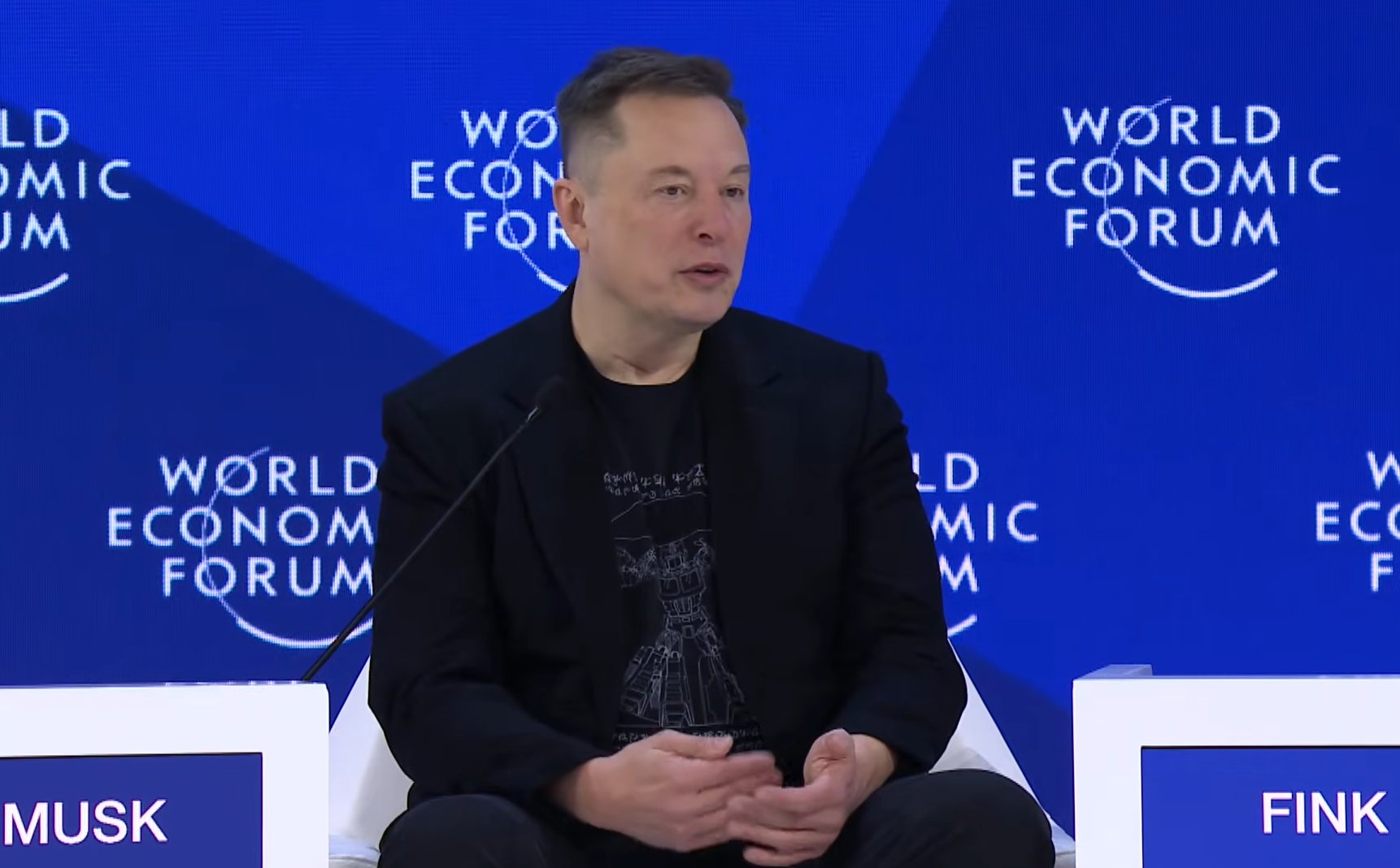
In a landmark announcement that sent shockwaves through the global auto industry, Tesla CEO Elon Musk has signaled the final frontier for the company's most advanced software is within reach. Speaking at his inaugural appearance at the World Economic Forum in Davos on January 22, 2026, Musk revealed that regulatory approval for Tesla's Full Self-Driving (Supervised) system in both Europe and China is now imminent. This declaration marks a pivotal strategic shift, moving Tesla's autonomous driving ambitions from a primarily North American endeavor to a truly global rollout, pending the final green light from authorities.
The Davos Declaration: A Strategic Pivot to Global Markets
Musk's statement at Davos was not a vague prediction but a pointed announcement of an impending regulatory milestone. While specific dates were not provided, the tone conveyed that negotiations and testing with European and Chinese regulators have progressed to a final stage. This breakthrough is significant because these two markets represent the world's largest and most competitive electric vehicle arenas, each with distinct and stringent regulatory frameworks. Success here would validate Tesla's data-driven approach to autonomy on a scale far beyond the United States and Canada, where FSD (Supervised) is already operational.
Navigating the Regulatory Labyrinth
The path to approval in Europe and China has been a complex journey. Europe's regulatory environment, governed by UN-ECE regulations, has historically been more cautious about driver-assistance systems, requiring rigorous validation. China, while aggressively promoting EV adoption, maintains tight control over data security and mapping, posing unique challenges for a foreign automaker's autonomous system. Tesla's apparent breakthrough suggests it has made substantial concessions or adaptations, likely in areas like data handling, system behavior tailoring for local driving customs, and enhanced validation testing. This regulatory clearance would serve as a powerful testament to the system's adaptability and safety case.
For Tesla, unlocking these markets is about more than just a new feature rollout; it's about unlocking a recurring revenue stream from millions of new potential subscribers. The FSD suite, currently offered as a monthly subscription or one-time purchase, is a cornerstone of Tesla's high-margin software and services revenue. Deployment in Europe and China would instantly multiply the addressable market, providing a substantial boost to the company's financial profile and justifying its significant, long-term investment in artificial intelligence and compute infrastructure.
Implications for Owners and the Investment Thesis
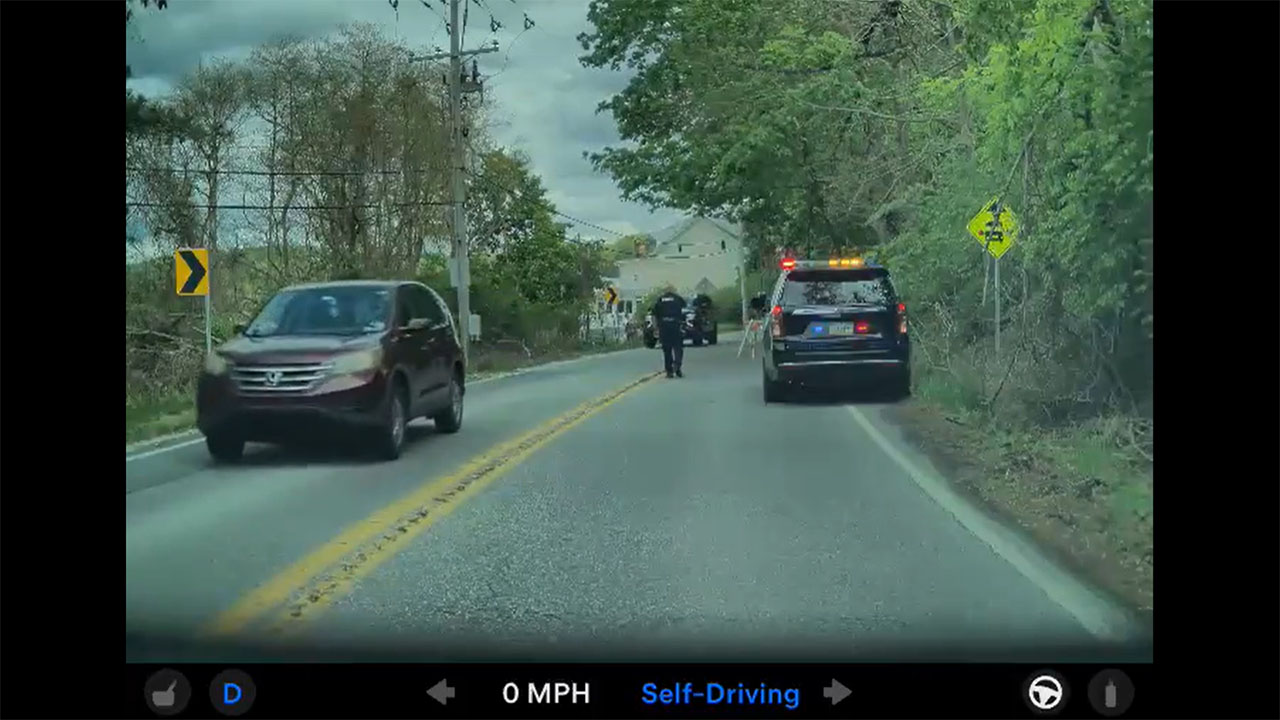
For current and prospective Tesla owners in Europe and China, this news heralds the arrival of the brand's most technologically defining product. It promises to transform the ownership experience, adding tangible value to their vehicles through enhanced capability and convenience. However, owners should temper expectations with patience; initial rollouts will be gradual, geographically limited, and will require constant driver supervision, as the "Supervised" designation mandates.
From an investment perspective, regulatory approval is the critical catalyst that transitions FSD from a cost center into a global profit engine. It de-risks a key component of Tesla's valuation, which has long been predicated on software leadership. Success in these regions would also create a formidable competitive moat, placing Tesla potentially years ahead of legacy automakers in deploying validated, consumer-ready autonomous software at scale worldwide. The Davos announcement is more than a product update; it is a signal that Tesla's autonomous future is transitioning from a vision into a global, regulated reality.