In a strategic move that underscores China's pivotal role in the global race for autonomous driving, Tesla has officially launched a dedicated artificial intelligence training center within the country. This facility represents a critical investment in the data ecosystem required to develop Full Self-Driving (FSD) technology for the world's largest electric vehicle market, signaling a clear commitment to overcoming regional regulatory and technological hurdles.
A Data Fortress for the Chinese Market
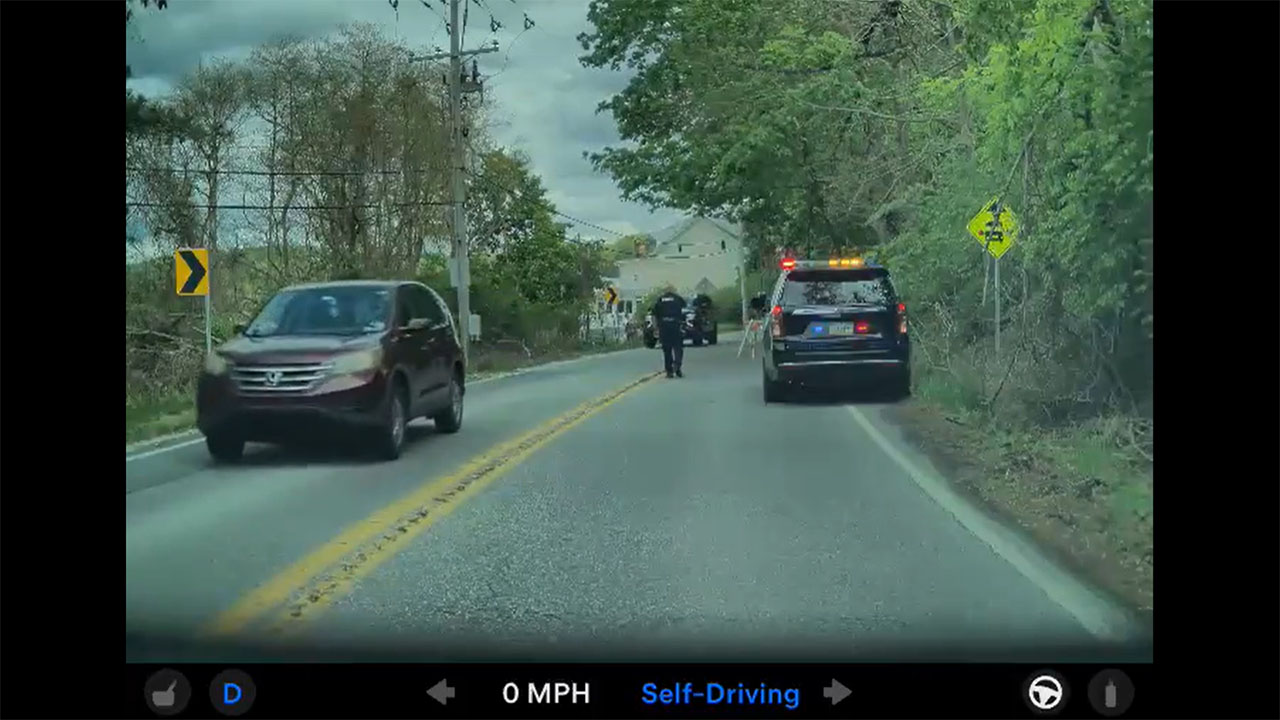
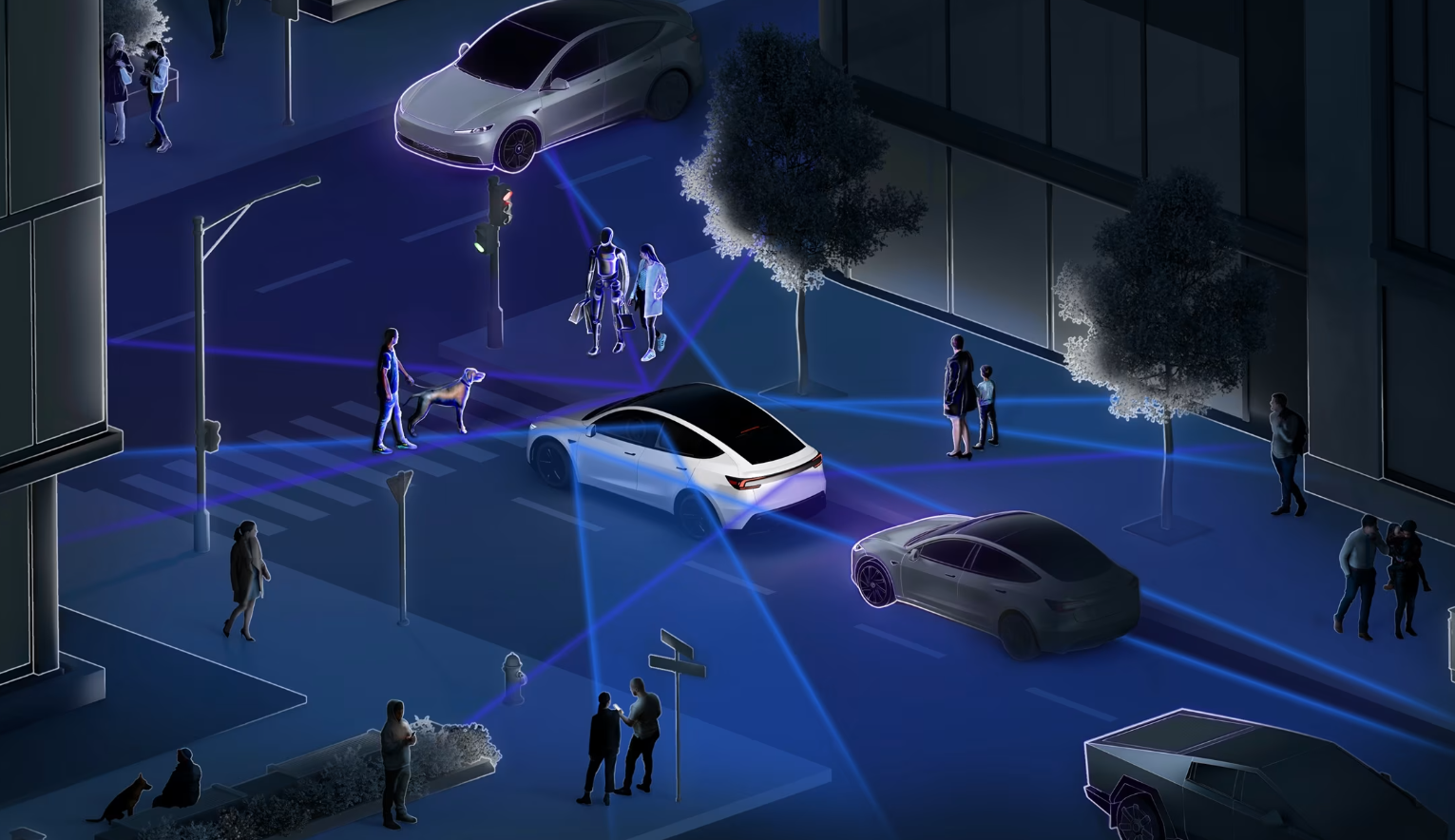
The new AI training center is fundamentally a data processing powerhouse. It is designed to handle the immense volume of video data collected from Tesla vehicles operating on Chinese roads. This local processing capability is crucial for developing and refining the company's autonomous driving algorithms to navigate China's unique and complex driving environments, from dense megacity traffic to intricate highway systems. By establishing this infrastructure, Tesla is building a data fortress that allows it to train its neural networks in-region, potentially accelerating the iteration cycle for FSD Beta development tailored specifically for Chinese consumers.
Navigating the Regulatory and Competitive Landscape
This launch is not merely a technical decision but a shrewd geopolitical and business maneuver. China enforces strict data sovereignty laws, requiring certain data to be stored and processed domestically. The in-country AI center ensures Tesla's compliance while securing its most valuable asset: localized driving data. Furthermore, it positions Tesla to compete more directly with well-funded domestic EV rivals like XPeng and Nio, who have been aggressively advancing their own driver-assistance systems. The move demonstrates Tesla's long-game strategy, investing deeply in local talent and infrastructure to win a market where government relations and data security are as important as technological prowess.
For Tesla owners in China, the immediate implication is the prospect of a more rapidly evolving and context-aware FSD system. A locally-trained AI could lead to faster updates and a system better calibrated to local driving behaviors and conditions. For global investors, this center is a strong signal of Tesla's commitment to its second-largest market and its resolve to unlock the immense revenue potential of its FSD software there. The success of this AI hub is now intrinsically linked to Tesla's ability to finally secure widespread regulatory approval for a full public rollout of FSD in China, a milestone that would represent a monumental financial and technological victory.