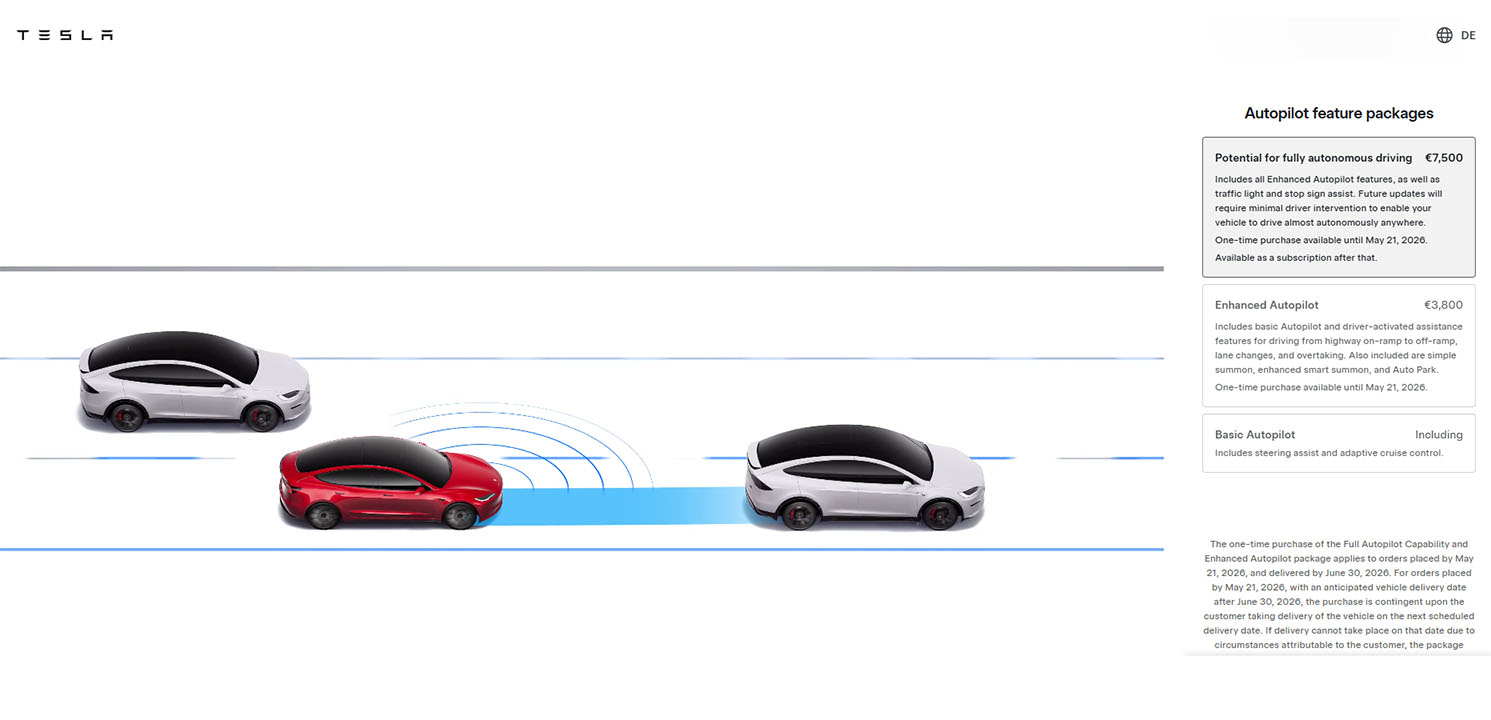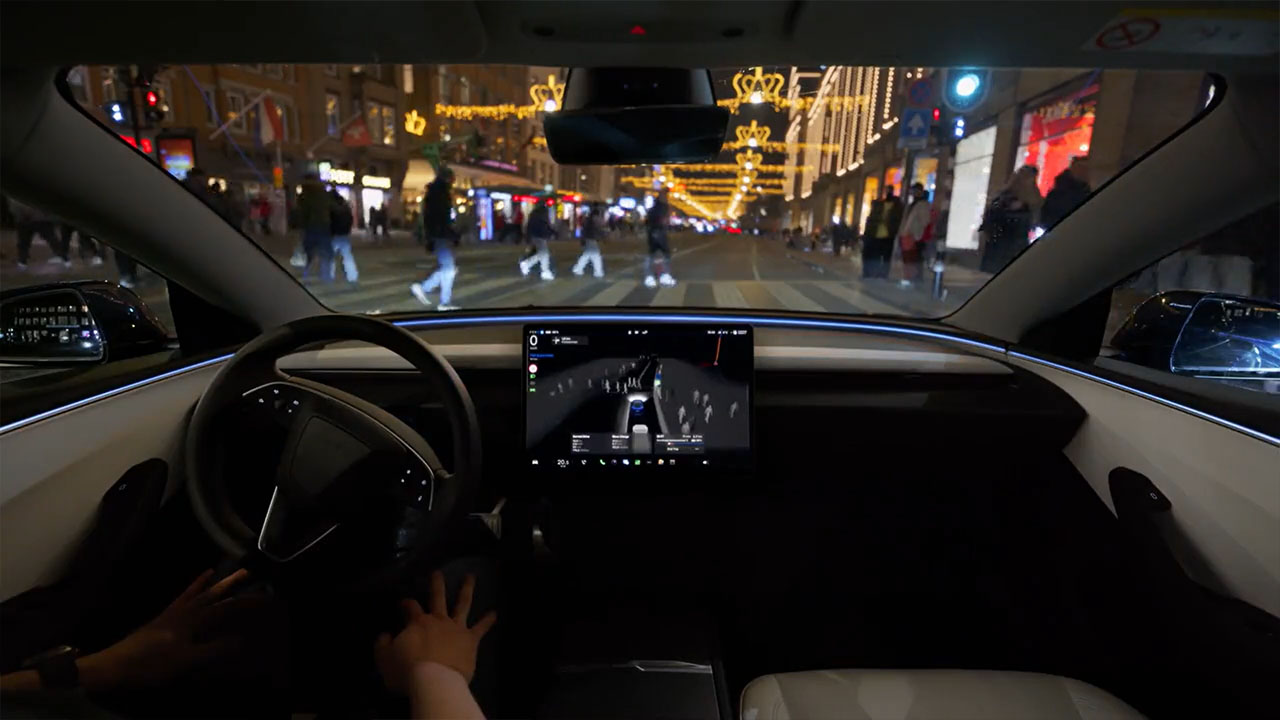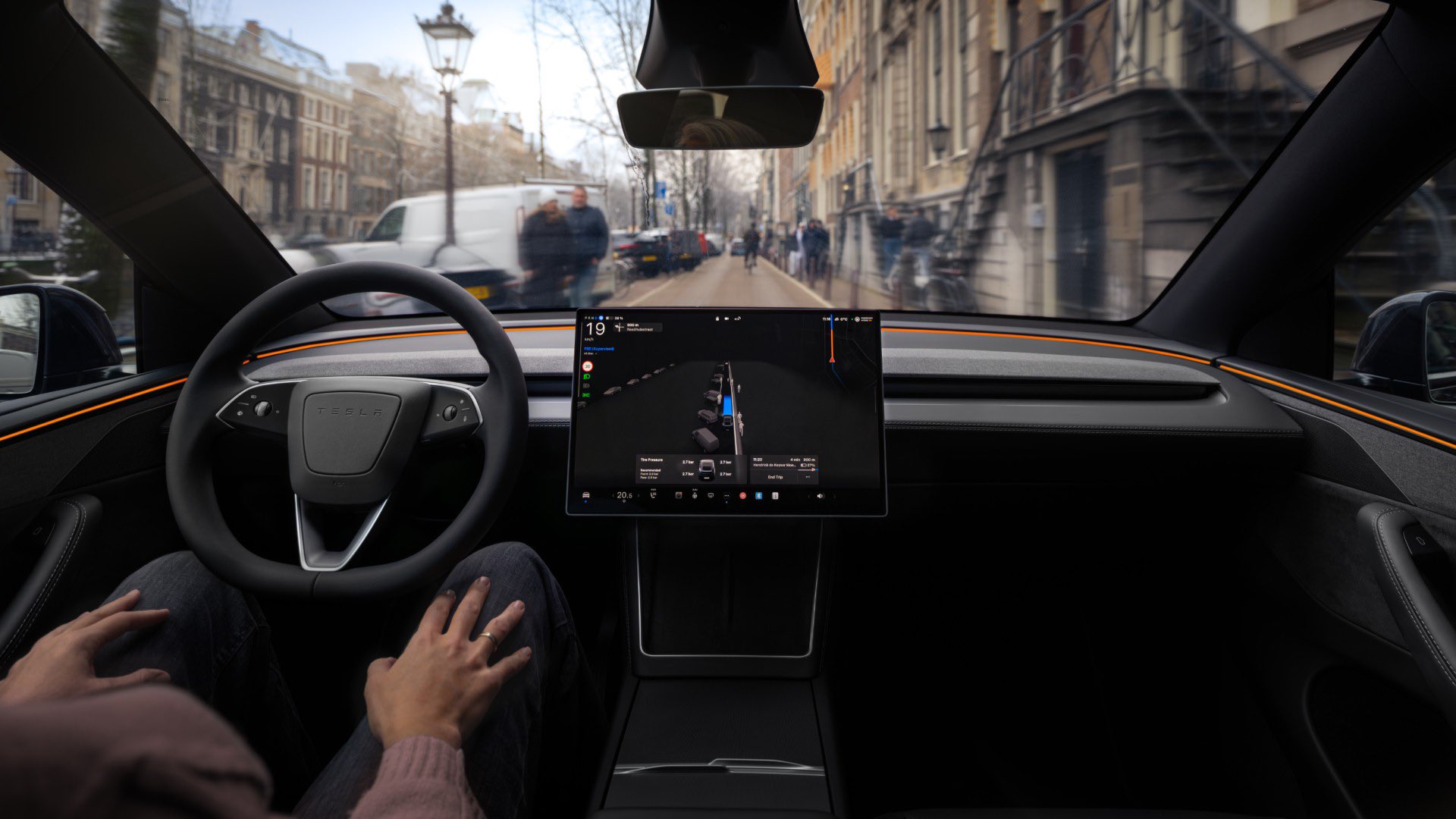
In a landmark decision for automated driving in Europe, the Netherlands has become the continent's first nation to grant formal regulatory approval for Tesla's Full Self-Driving (FSD) Supervised system. On April 10, 2026, the Dutch vehicle authority, the RDW, issued a European type-approval for the advanced driver-assistance suite, clearing the way for its legal use on public roads. This move, far from speculative rumor, represents a critical regulatory domino falling and places immediate, intense focus on neighboring markets—most notably France—as Tesla seeks to expand its most ambitious software offering beyond North America.
A Regulatory Breakthrough with a "Supervised" Caveat
The approval specifically covers FSD Supervised, the latest iteration of Tesla's system which, despite its name, requires active driver monitoring and intervention at all times. The RDW's type-approval is significant because it acts as a European Whole Vehicle Type Approval (EWVTA), meaning it can serve as a foundation for regulatory acceptance in other European Union member states. This process, however, is not automatic. While the Dutch approval sets a powerful precedent, individual nations retain the right to conduct their own assessments, creating a complex patchwork of potential adoption timelines across the continent.
The French Conundrum: Data Privacy vs. Technological Progress
All eyes now turn to France, Europe's second-largest car market and a nation with a historically cautious stance on autonomous driving technology. The primary hurdle for Tesla in France has been the stringent position of the French Data Protection Authority (CNIL) regarding the collection and processing of vehicle camera data. French regulators have previously expressed concerns about where this data is stored and how it is used, potentially conflicting with EU data sovereignty principles. Tesla's success in the Netherlands suggests it has satisfied similar regulatory concerns there, potentially providing a blueprint for negotiations with French authorities.
The implications of this regulatory divergence are substantial. If France follows the Netherlands' lead swiftly, it could create a powerful Western European FSD corridor, boosting Tesla's competitive edge and software revenue in the region. A prolonged delay or rejection, however, would fragment the EU's single market for this technology and could force Tesla to offer a neutered version of FSD in one of its key markets. The pressure is now on both Tesla to address regulatory concerns and on French officials to clarify their position in light of a major EU partner's decision.
For Tesla owners and investors, the Dutch approval is a watershed moment. It validates years of development and provides a tangible path to monetizing the company's flagship AI product in a major new region. European Tesla owners with vehicles equipped with the necessary Hardware 3 or 4 may soon have access to a significant, subscription-based value unlock for their cars. Investors should watch for any subsequent announcements from German or Belgian authorities as the next indicators of a broader European rollout, which would directly impact Tesla's lucrative high-margin software revenue stream and strengthen its technological leadership narrative in the face of increasing EV competition.