Europe's electric vehicle race has taken a dramatic turn at the start of 2026, with new registration data revealing a stark reversal of fortunes for two industry titans. While the overall EV market continues its steady expansion, Tesla's sales momentum has hit a significant roadblock, allowing China's BYD to not only close the gap but surge decisively into the lead. This shift marks a pivotal moment in the continent's automotive landscape, signaling intensifying competition that goes far beyond a single month's sales figures.
A Reversal of Roles in a Growing Market
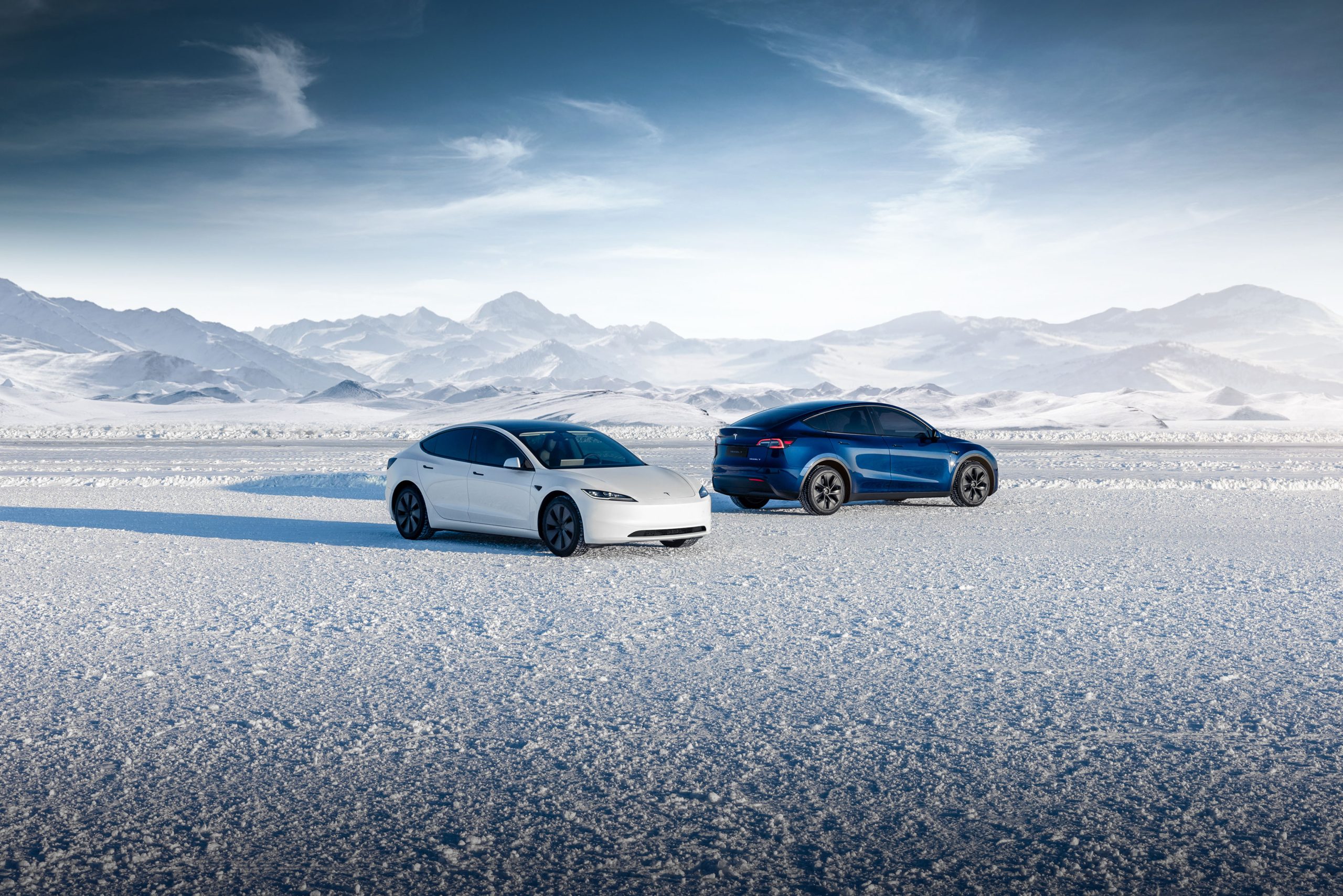
According to the latest European registration data, BYD captured the top spot in January, leveraging its broad and rapidly expanding model lineup. This performance stands in sharp contrast to Tesla's, which saw its registrations decline year-over-year in a market that is still growing. The data underscores a critical trend: European consumers now have a plethora of compelling electric alternatives. Where Tesla once stood virtually unchallenged in the premium EV segment, competitors like BYD are now offering advanced technology, competitive range, and often more aggressive pricing, directly impacting Tesla's volume, particularly from its established Model Y and Model 3.
The Dual Challenge: Model Cycle and Competitive Onslaught
Analysts point to a confluence of factors behind Tesla's slide. The company is currently in a transitional period, with its core models nearing the end of their current design cycle while anticipation builds for future updates and more affordable vehicles. This creates a natural hesitation among some buyers. Simultaneously, the competitive landscape has transformed. BYD's aggressive push into Europe, supported by new manufacturing facilities within the EU, is a primary factor. The Chinese automaker is no longer a distant threat but a direct, volume competitor, with a product portfolio that spans from affordable city cars to premium sedans and SUVs, applying pressure across multiple price points where Tesla operates.
The implications of this sales shift are profound for the European automotive sector. It validates the global reach and appeal of Chinese EV brands, which have moved rapidly up the quality ladder. For legacy European automakers, the data is a dual warning: they are losing share not just to Tesla, but to a new wave of fully-electric, vertically-integrated manufacturers from Asia. The race is now a multi-front battle, with innovation, cost efficiency, and supply chain control becoming even more critical determinants of success than brand heritage alone.
What This Means for Tesla Owners and Investors
For Tesla owners, the company's sales pressure in Europe could accelerate local investment and responsiveness. Tesla may be compelled to enhance service infrastructure, offer more region-specific incentives, or fast-track updated models to the market to regain momentum. For investors, the January data is a clear signal that Tesla's growth narrative must now account for ferocious, well-capitalized competition in every major market. While Tesla's profitability and technology pipeline remain strong, its ability to execute on new models like the next-generation platform vehicle and refresh its lineup will be scrutinized more intensely than ever. The era of Tesla's uncontested EV dominance is over, ushering in a new phase where executional excellence and strategic agility will define the winners.