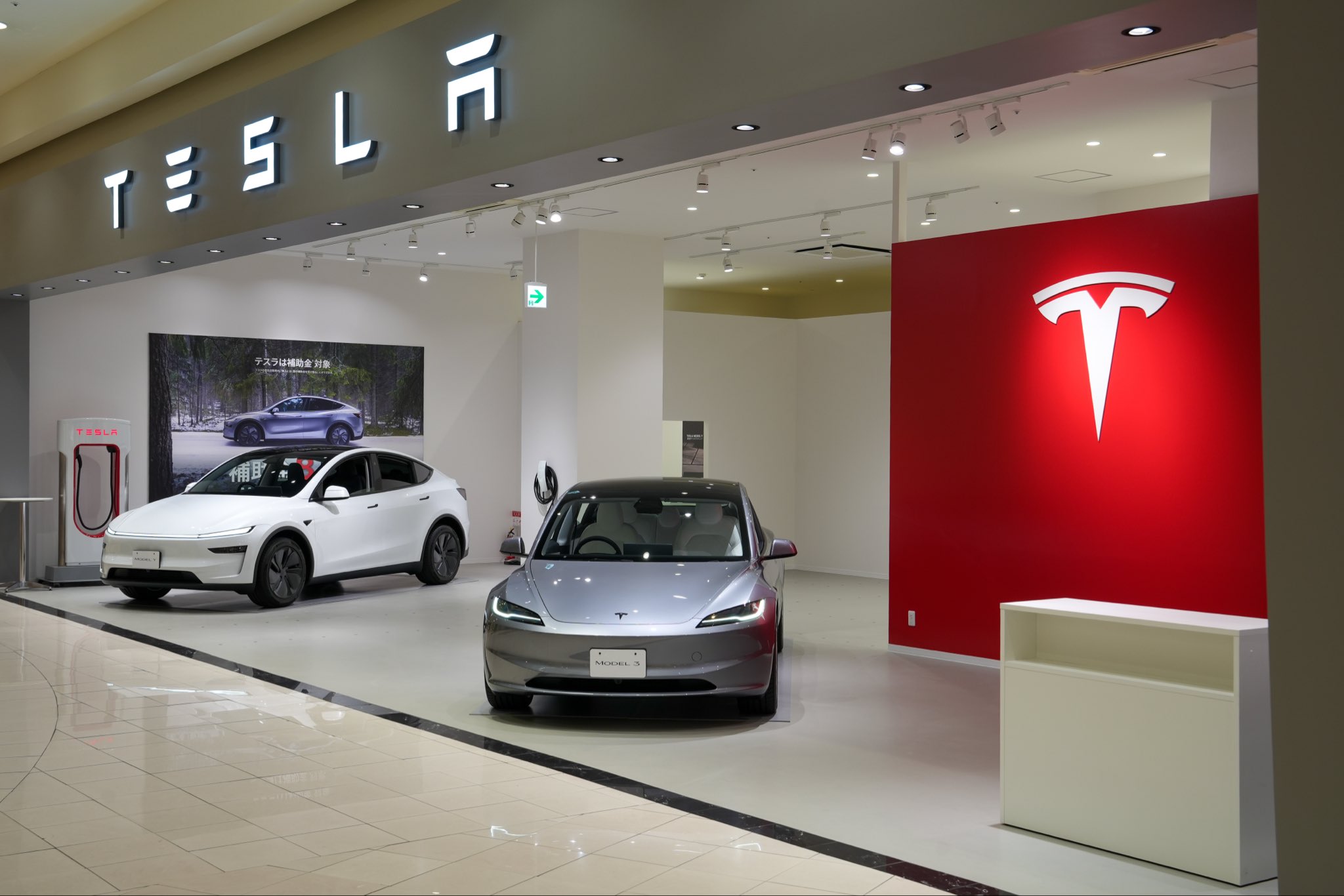
After a turbulent start to the year marked by production pauses and shipping delays, Tesla's performance in Europe is showing the first clear signs of a significant rebound. New registration data from key markets across the continent indicates a strong February recovery, suggesting the electric vehicle pioneer is beginning to overcome the logistical hurdles that hampered its January figures and is reasserting its competitive presence.
February Rebound in Core Markets
The most compelling evidence comes from Norway, a longstanding EV bellwether. Tesla registrations surged to 1,167 vehicles in February, a dramatic increase from just 183 in January, capturing a 12.3% share of the total passenger car market. Similar strength was observed in France, where registrations jumped to an estimated 5,500 units, and in Denmark, where Tesla became the overall best-selling car brand for the month. This surge is largely attributed to the arrival of new vehicle shipments, specifically the Model 3 and Model Y, which were scarce in the preceding month due to supply chain interruptions.
Contextualizing the Comeback
This rebound must be viewed against the backdrop of a uniquely challenging January. Factory shutdowns in Berlin due to Red Sea-related parts shortages and the natural cyclicality of Tesla's end-of-quarter delivery waves created a perfect storm, resulting in exceptionally low volumes. February's recovery, therefore, represents a normalization of logistics more than an unexpected demand boom. However, the speed and magnitude of the comeback in such competitive markets demonstrate the underlying resilience of Tesla's brand and the pent-up demand for its vehicles, particularly the high-volume Model Y.
Despite the positive overall trend, the picture isn't uniformly bright across Europe. Some major markets, including Germany and the UK, have yet to report full February data, leaving the complete continental outlook temporarily incomplete. Furthermore, the European EV landscape is becoming fiercely competitive, with an influx of new models from Chinese manufacturers and established European brands applying constant pressure on Tesla's market share and pricing power.
Implications for Owners and Investors
For current and prospective Tesla owners in Europe, the sales recovery signals a return to normalcy in delivery timelines and potentially greater inventory availability at local showrooms. For investors, the February data provides crucial reassurance. It indicates that January's weakness was indeed transitory and supply-driven, not a collapse in demand. As Tesla prepares for potential refreshes of its core models and navigates an increasingly crowded market, its ability to rapidly execute a logistical recovery and maintain sales velocity in its established markets will be critical for sustaining investor confidence and funding its long-term growth ambitions beyond the EV sector.