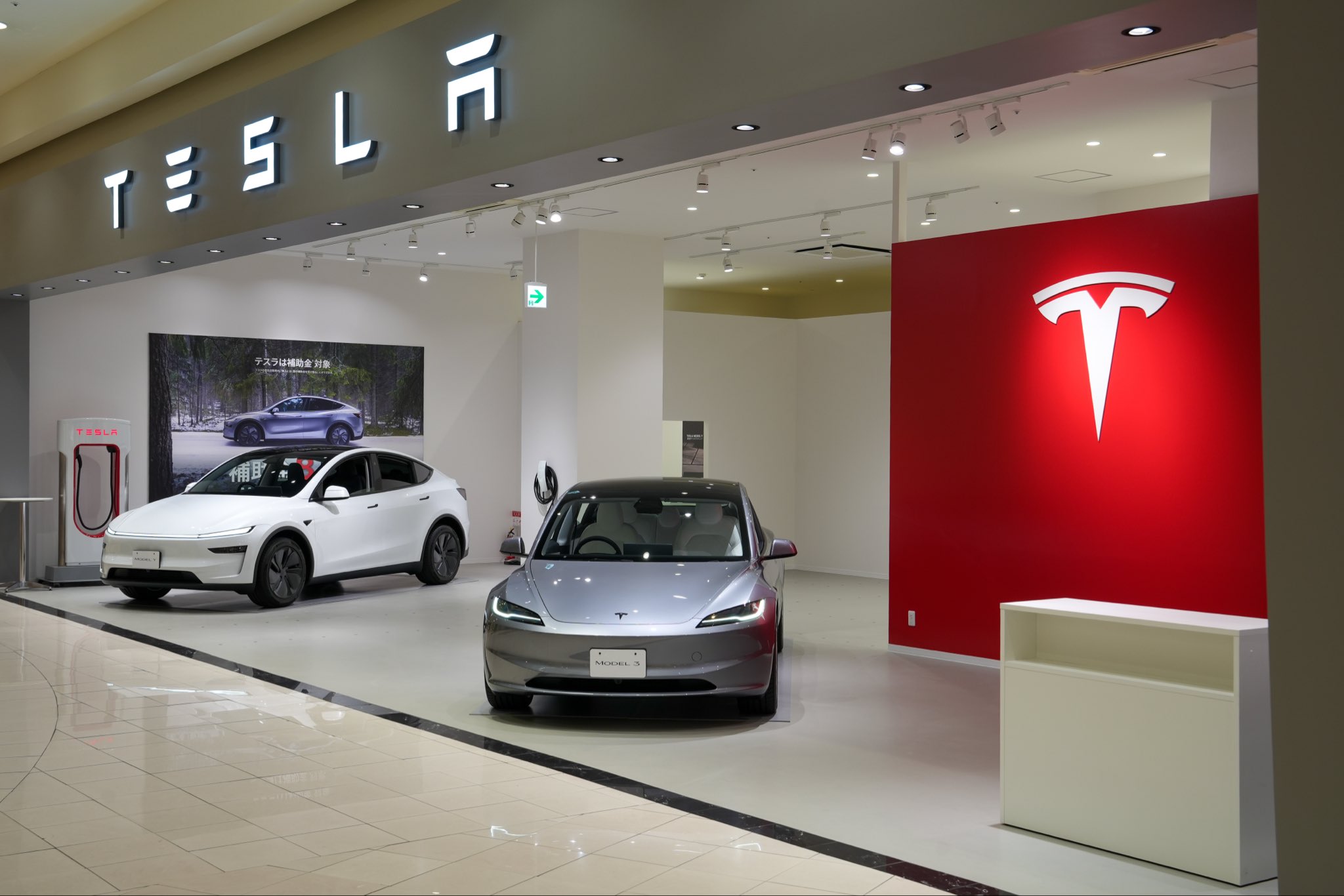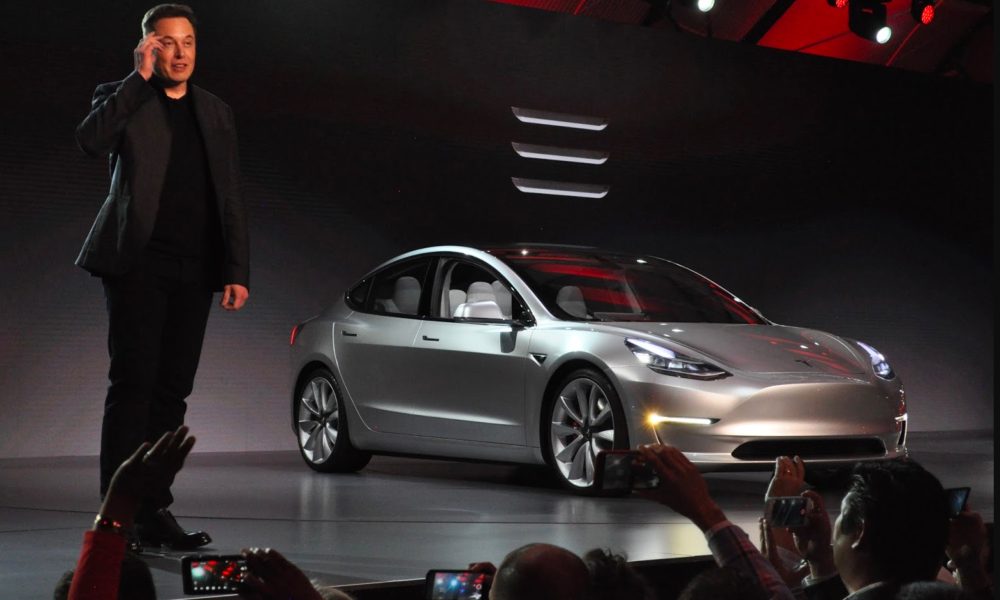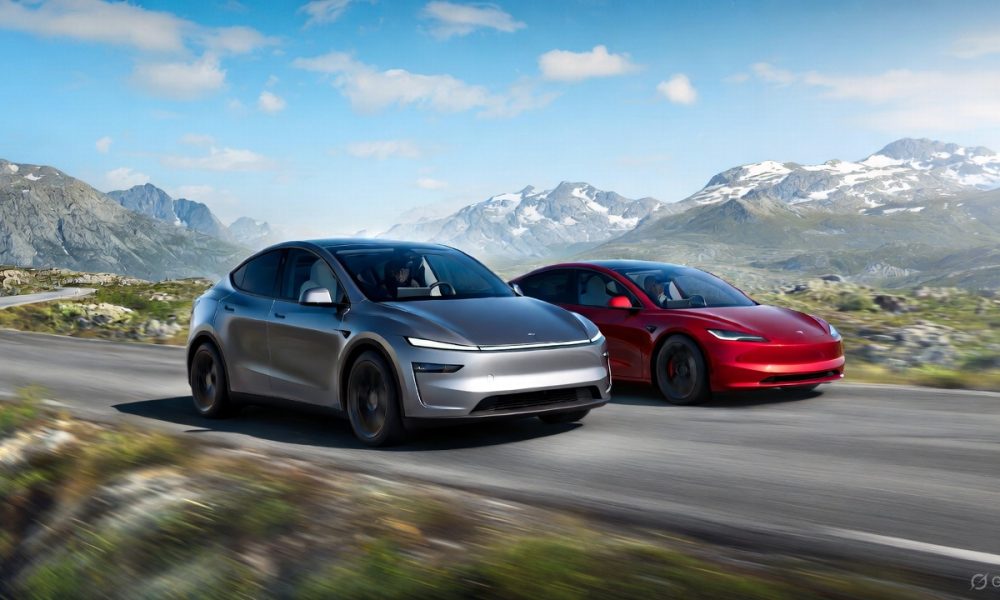
Norway has long been the crystal ball for the global electric vehicle transition, and the latest registration data confirms it has entered a new, almost surreal phase. In the first quarter of this year, electric vehicles captured a staggering 97.9 percent market share, with plug-in vehicles reaching an extraordinary 98.6 percent. Out of just 27,175 new vehicle registrations, traditional petrol and hybrid powertrains have been reduced to mere statistical noise. And at the top of this near-total EV market sits one name: Tesla. The American automaker hasn't just adapted to Norway's unique conditions; it has absolutely dominated them, proving its strategy of range, charging infrastructure, and software excellence resonates even in the world's most electrified consumer landscape.
The Model Y: Norway's Undisputed King
While legacy automakers scramble to catch up, Tesla’s Model Y has become the default vehicle for Norwegian families. In Q1, the Model Y alone accounted for a massive portion of total EV sales, far outpacing rivals like the Volkswagen ID.4 and Skoda Enyaq. This isn't just about tax incentives, which have been generous for years. It is about product-market fit. The Model Y’s combination of practical hatchback space, all-wheel-drive capability for Nordic winters, and access to Tesla’s proprietary Supercharger network gives it an unbeatable edge. In a market where EV adoption is essentially complete, consumers have voted decisively for the vehicle that offers the least compromise.
Why Norway Matters More Than Its Size
Norway’s population is small, but its significance to the auto industry is immense. It serves as a real-world stress test for EV technology, cold-weather performance, and charging reliability. Tesla’s success here sends a powerful signal to investors and competitors alike. The fact that Tesla holds such a commanding lead in a market where almost every new car sold is electric suggests that the company’s core advantages—vertical integration, over-the-air updates, and a mature charging ecosystem—are not easily replicated. For other automakers, Norway is a warning: if you cannot win here, where the playing field is perfectly level for EVs, you likely cannot win in the broader transition ahead.
Implications for Tesla Owners and Investors
For current Tesla owners, the Norwegian data reinforces the long-term value of their vehicles. The dominance of the Model Y and Model 3 in a mature EV market suggests strong residual values and a robust aftermarket ecosystem. For investors, the message is clear: Tesla’s brand and technology are not just riding a wave of early adoption. In the world’s most advanced EV market, where consumers have every option available, they are choosing Tesla by a wide margin. This isn't a niche victory—it is a validation of Tesla’s product strategy at the very endgame of the combustion engine era. As other nations accelerate their own EV transitions, Norway’s data points to a future where Tesla’s lead may only widen.