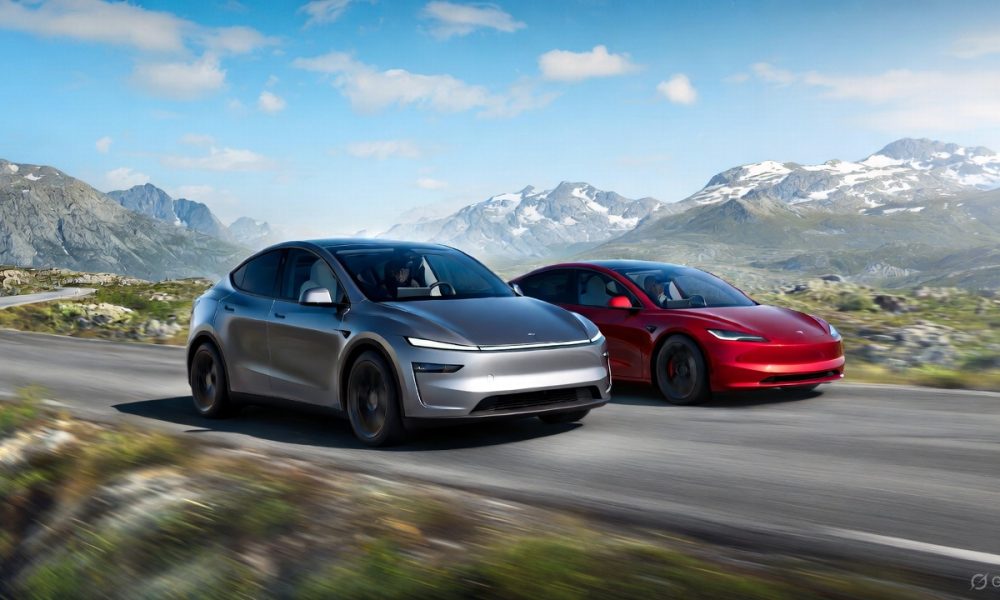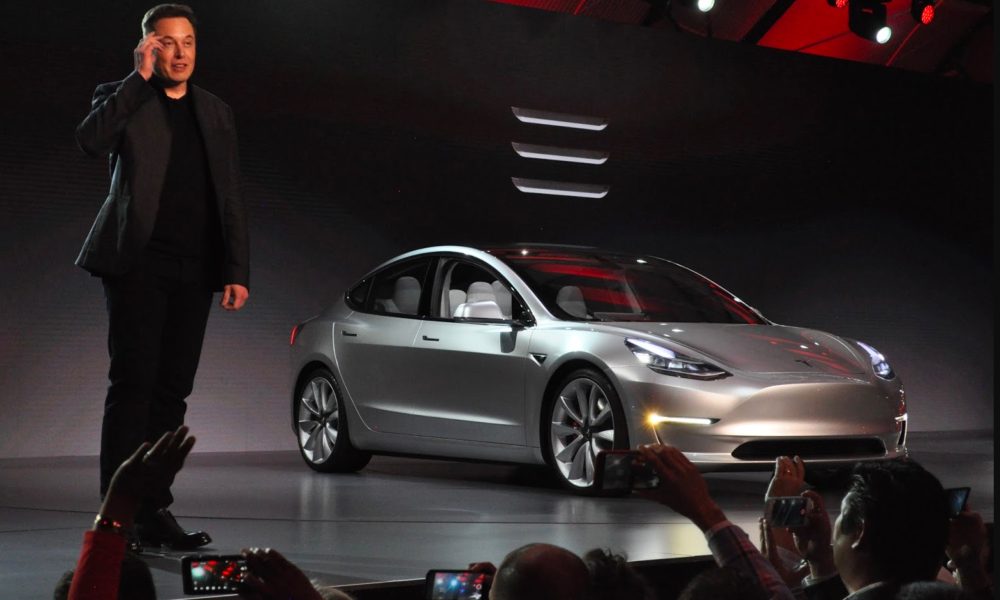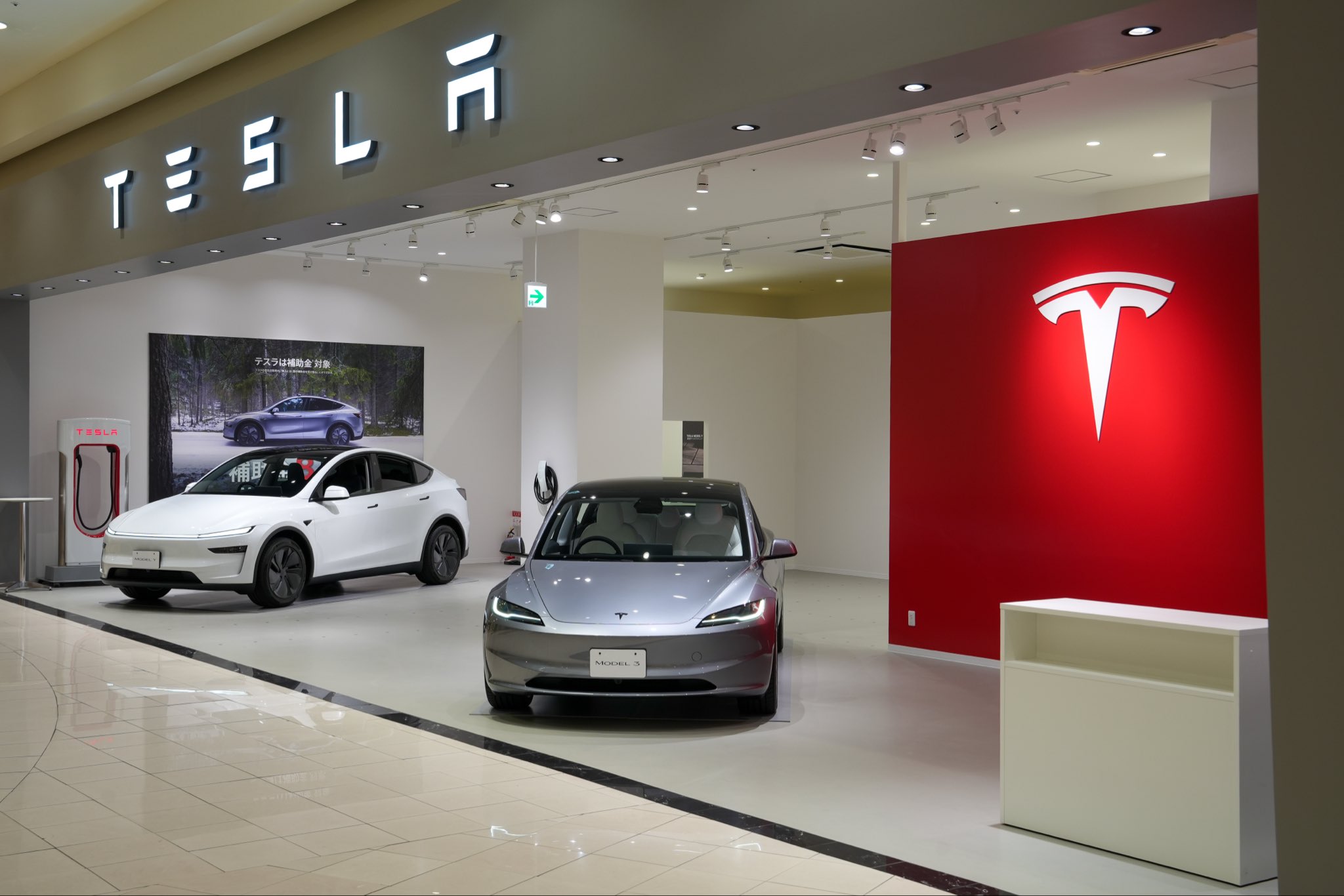
Tesla has once again cemented its dominance in the American automotive psyche, claiming the top spot in S&P Global Mobility’s latest U.S. brand loyalty rankings for 2026. With an impressive 61.1% of owners returning to the brand for their next vehicle purchase, the electric vehicle maker has outpaced stalwarts like Subaru, Toyota, and even luxury icon Ferrari. This marks a sustained lead that underscores a fundamental shift in consumer behavior, where the allure of cutting-edge technology and a dedicated charging ecosystem now rivals—and often surpasses—traditional brand allegiance.
The Numbers Behind the Loyalty Surge
The 61.1% loyalty rate is not just a statistical victory; it represents a cultural and technological lock-in. For context, Toyota and Subaru typically hover in the 50-55% range, while Ferrari—often cited for its exclusive owner retention—trails behind. Tesla’s lead is built on a trifecta of factors: the Supercharger network’s unmatched convenience, over-the-air software updates that keep vehicles fresh, and a growing lineup that spans from the Model 3 to the Cybertruck. Unlike legacy automakers, Tesla benefits from a walled garden where the ownership experience deepens over time, making a switch to another EV brand feel like a step backward.
Why Tesla Owners Stay—and What It Means for the Competition
The data reveals a critical insight: Tesla owners are not merely satisfied; they are evangelists. The brand’s direct-sales model, combined with a minimalist interior philosophy, creates a distinct identity that competitors struggle to replicate. Subaru and Toyota may boast decades of reliability, but they lack the real-time software ecosystem that turns a car into a constantly improving device. Even Ferrari, with its handcrafted exclusivity, cannot match the network effect of Tesla’s global charging infrastructure. For legacy automakers, the takeaway is stark: loyalty in the EV era is no longer about engine heritage—it is about digital integration and charging convenience.
Implications for Tesla Owners and Investors
For current Tesla owners, this loyalty ranking validates their choice as a long-term investment. The high retention rate suggests strong resale value and a robust secondary market, as demand for used Teslas remains elevated. For investors, the 61.1% figure is a powerful metric of customer lifetime value. It signals that Tesla’s growth is not just about first-time buyers but about a self-reinforcing cycle of repeat purchases. As other automakers scramble to catch up, Tesla’s lead in brand loyalty provides a durable moat—one that could translate into steady revenue streams from software subscriptions, FSD upgrades, and future vehicle sales. The message is clear: Tesla has not just won the EV race; it has redefined what brand loyalty means in the 21st century.