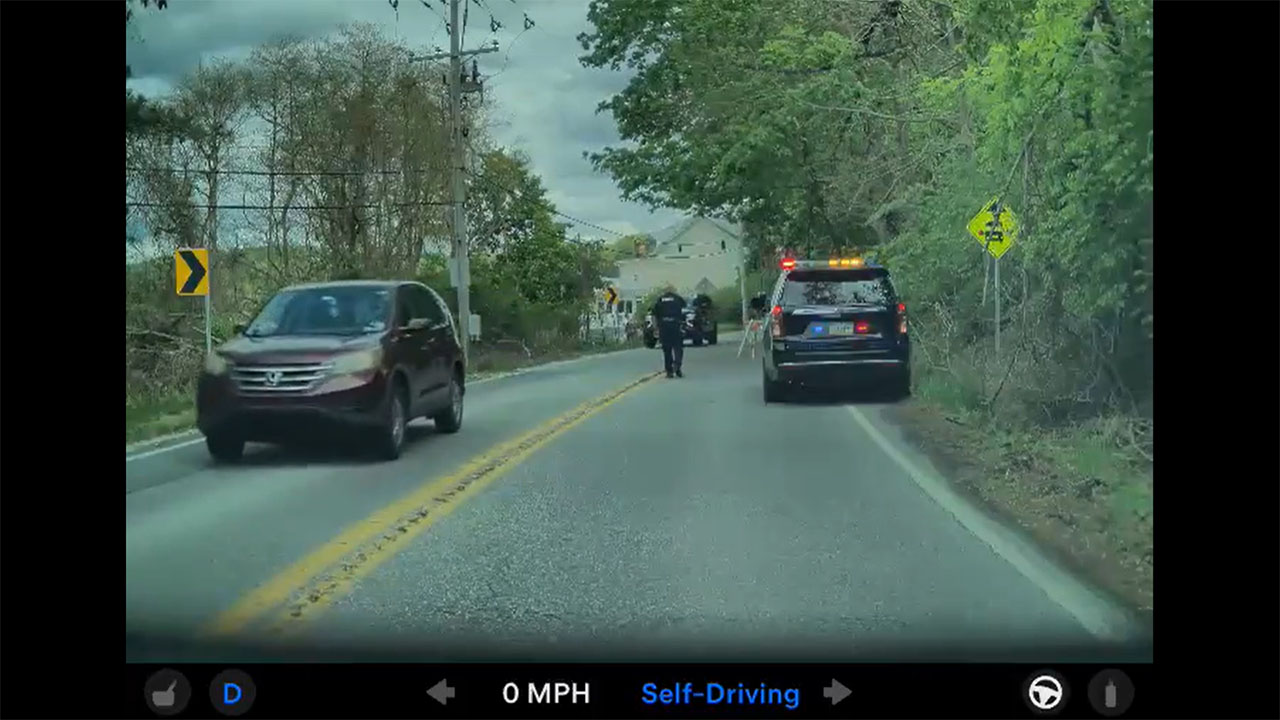
Just when it seemed the regulatory dust had settled, Tesla has reignited its legal war with the California Department of Motor Vehicles (DMV), signaling a high-stakes fight over the future of its driver-assistance technology and the very language used to describe it. The electric vehicle maker has filed a lawsuit in California state court, challenging the DMV's July 2022 decision to formally accuse Tesla of misleading consumers with its advertising of Autopilot and Full Self-Driving (FSD) capabilities. This move underscores Tesla's refusal to back down on what it views as a fundamental threat to its brand identity and technological narrative.
The Core of the Controversy: "Self-Driving" Claims Under Fire
The California DMV's administrative complaint alleges that Tesla made "untrue or misleading" statements in its advertising, suggesting its vehicles are autonomous when they are not. The agency specifically takes issue with the names "Autopilot" and "Full Self-Driving," arguing they could lead consumers to overestimate the systems' capabilities and misuse the technology. Tesla, for its part, has long maintained that its driver-assistance suites are exactly as described—systems that require active driver supervision. The lawsuit represents a formal, legal counterpunch to an action that could have resulted in sanctions including the suspension or revocation of Tesla's license to sell vehicles in California, its largest U.S. market.
A Broader Battle for the Semantic and Technological High Ground
This lawsuit is far more than a bureaucratic skirmish; it's a pivotal battle in the wider war over how advanced driver-assistance systems (ADAS) are regulated and marketed. Tesla's aggressive branding has been a double-edged sword, fueling its image as an innovator while attracting persistent scrutiny from safety advocates and regulators worldwide. By taking the DMV to court, Tesla is fighting to retain control over its product messaging and to defend its unique approach to developing autonomy through real-world data collection from its customer fleet. The outcome could set a critical precedent for how other states and federal agencies approach the regulation of EV automation features.
The timing is also significant. Tesla is preparing for the next evolution of its FSD technology and continues to expand its beta testing pool. A ruling against the company could force a costly and brand-damaging rebranding of its signature technologies and impose stricter advertising constraints. Conversely, a victory for Tesla would bolster its position that current regulations are outdated and stifle innovation, potentially giving it more leeway as it continues to develop its systems.
Implications for Tesla Owners and Investors
For Tesla owners, this legal battle reaffirms the importance of understanding that despite the provocative names, Autopilot and FSD are not autonomous driving systems. Drivers remain legally responsible for vehicle operation. The lawsuit's progression will be a key indicator of whether Tesla's technological narrative faces a forced rewrite. For investors, the case introduces a layer of regulatory risk. A loss could impact sales in a critical market and trigger similar actions elsewhere, potentially affecting the company's valuation. However, a win would solidify Tesla's marketing strategy and could be seen as a validation of its disruptive approach, removing a significant overhang of regulatory uncertainty. As this legal drama unfolds, it will serve as a crucial barometer for the evolving relationship between groundbreaking automotive technology and the regulatory frameworks struggling to keep pace.