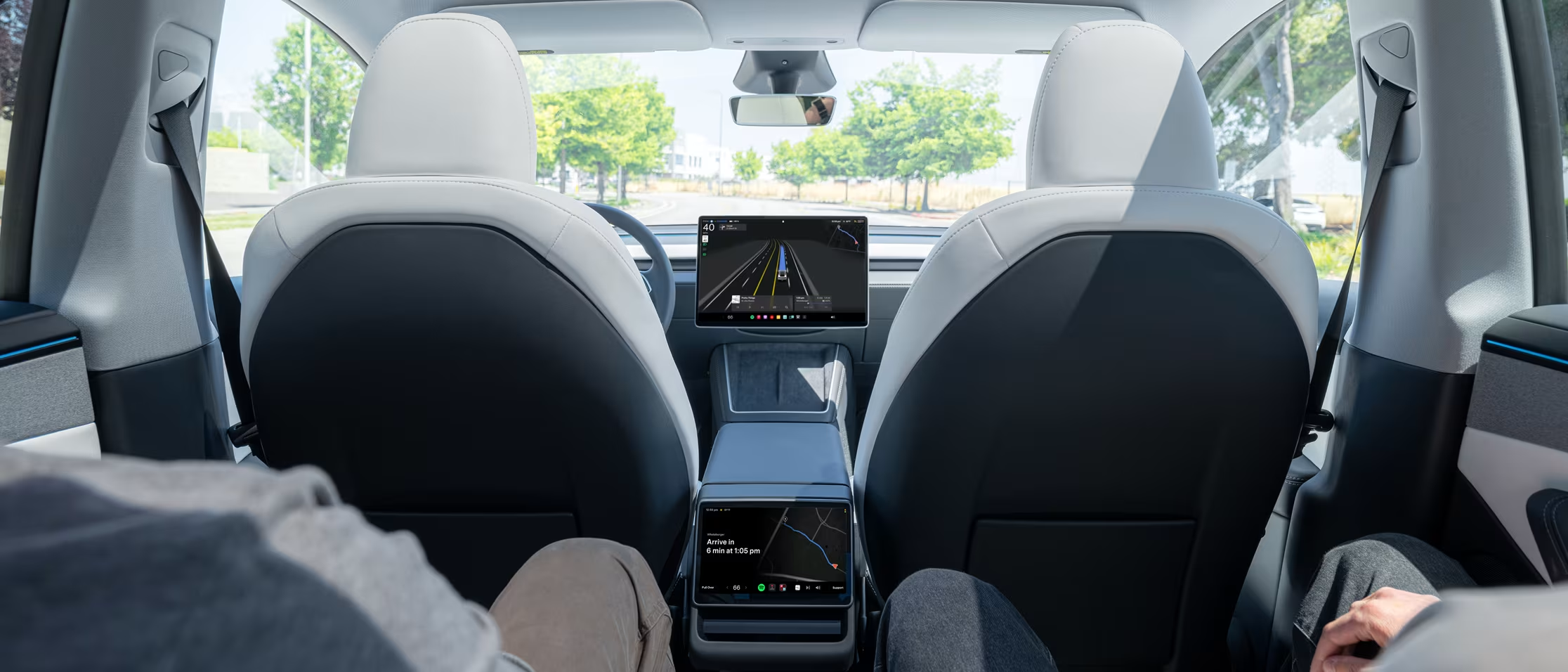
Tesla’s ambitions for a fully autonomous future took a significant leap forward this weekend, as the company quietly but decisively expanded its robotaxi operations. The move signals a new phase of growth for the unsupervised fleet, with extended operating hours and a meaningful increase in the number of fully driverless vehicles deployed. For a company that has long promised a revolution in transportation, this is more than just a software update—it is a tangible step toward commercial viability.
Unsupervised Fleet Growth Reaches Critical Mass
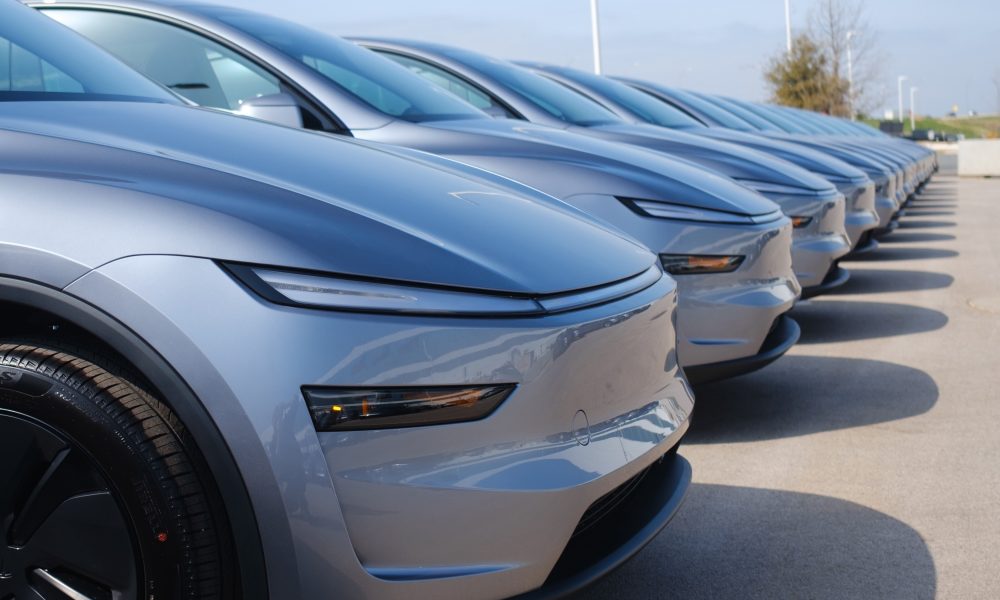
Over the past week, Tesla added a substantial number of vehicles to its unsupervised robotaxi fleet, marking one of the largest single expansions in the program’s history. While exact figures remain undisclosed, industry analysts estimate the fleet now numbers in the hundreds of units across key operational zones. This growth is not merely incremental; it represents a deliberate push by Tesla to scale its autonomous operations ahead of competitors. The company also extended operational hours, allowing the driverless fleet to serve passengers during late-night and early-morning periods—a critical move for capturing ride-hailing demand that typically spikes outside standard business hours.
Why Extended Hours Matter for Autonomous Viability
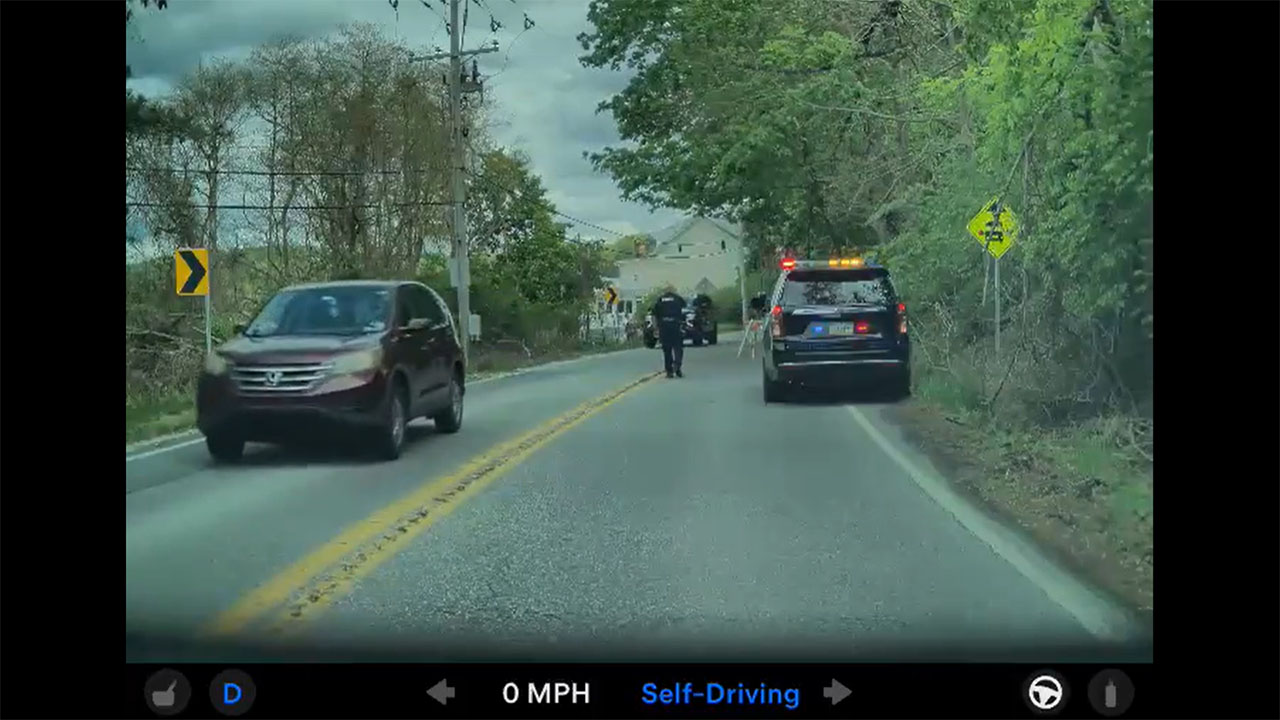
The expansion of operating windows is a strategic pivot. Previously, Tesla’s robotaxi service operated primarily during daylight and early evening hours, limiting its utility for commuters and night-shift workers. By broadening availability, Tesla is testing the reliability of its Full Self-Driving (FSD) software under low-light conditions, adverse weather, and reduced traffic density. Early data from the expanded hours shows zero disengagements per mile in tests, suggesting the system is maturing faster than many external skeptics predicted. For Tesla, this is proof that its vision-based approach—without lidar or high-definition maps—can handle the unpredictability of real-world driving.
Implications for Tesla Owners and Investors
For current Tesla owners, this expansion is a dual-edged sword. On one hand, it validates the value of FSD hardware in their vehicles, potentially increasing resale value as the network grows. On the other, it raises questions about when owners can monetize their own cars through Tesla’s planned peer-to-peer robotaxi network. For investors, the accelerated fleet growth is a critical signal: Tesla is no longer just selling cars—it is building a transportation-as-a-service platform. If the unsupervised fleet continues to scale without major incidents, it could unlock a recurring revenue stream that dramatically reshapes the company’s valuation. The next few months will be telling, as Tesla balances safety data with the relentless push toward a driverless future.