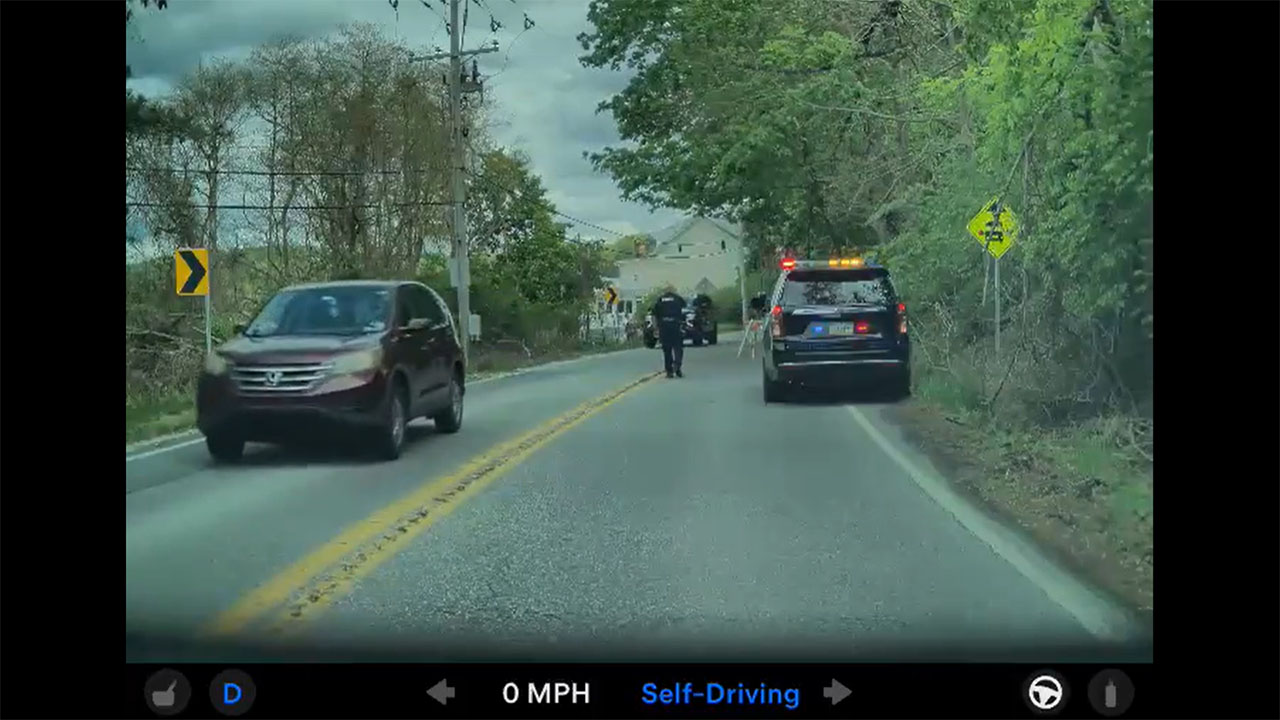
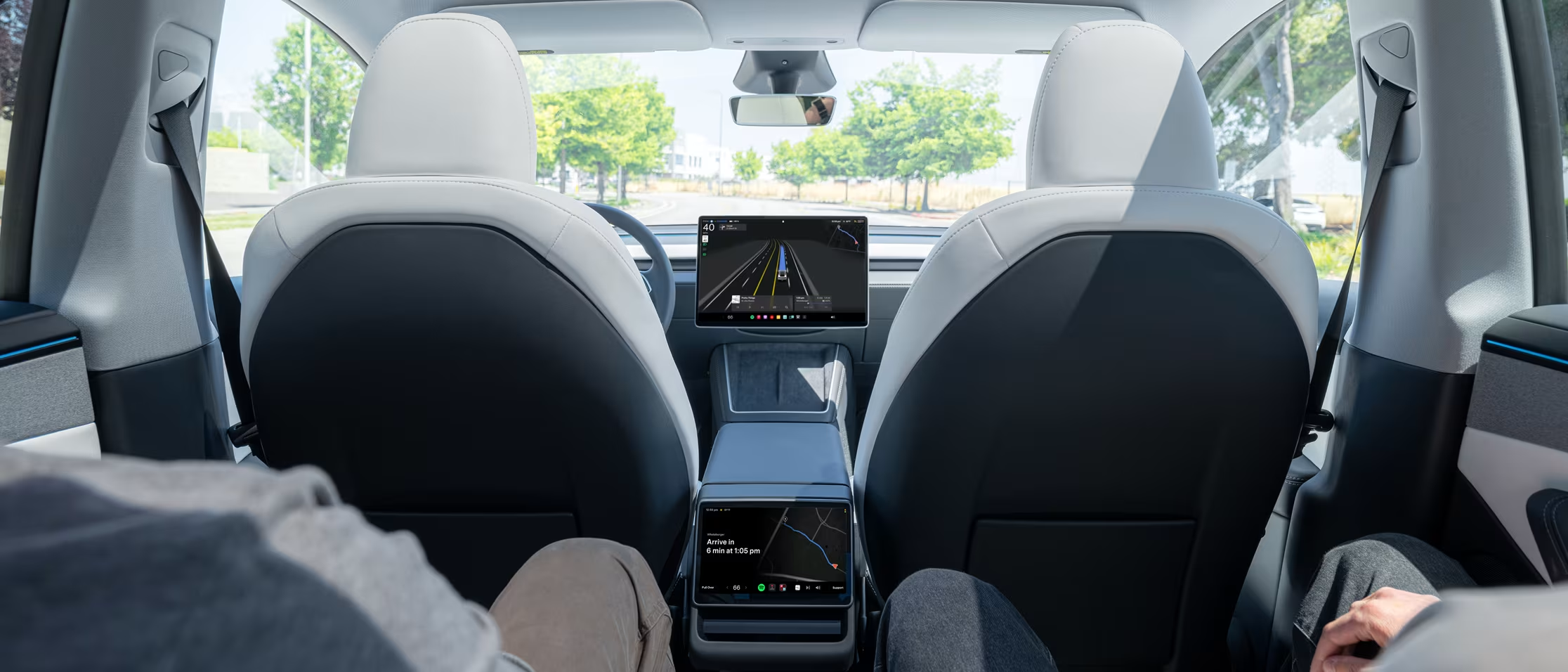
In a significant concession to regulatory pressure, Tesla has agreed to stop using the term "Autopilot" in its marketing materials within California, narrowly avoiding a potential 30-day suspension of its sales license in the state. This move follows a formal finding by the California Department of Motor Vehicles (DMV) in December that Tesla's advertising language violated state law by being misleading to consumers. The decision marks a pivotal moment in the long-running debate over how advanced driver-assistance systems are branded and the expectations they set for the public.
The Regulatory Crackdown and Tesla's "Corrective Action"
The California DMV's action stems from its longstanding position that terms like "Autopilot" and "Full Self-Driving" (FSD) may deceive customers into believing the vehicles are capable of autonomous operation without driver supervision. State regulations explicitly prohibit advertising vehicles for sale or lease as autonomous unless they meet specific technical and legal criteria—a bar Tesla's current systems do not clear. By taking what the DMV calls "corrective action," Tesla has sidestepped an immediate punitive measure, but the agreement is specific to its marketing language in California, not the software names themselves displayed inside the car. This nuanced distinction allows the company to continue offering its "Full Self-Driving Capability" package while adjusting how it is promoted.
Broader Implications for the EV and Autonomous Driving Industry
This settlement is far more than a semantic change for a single state; it represents a tangible victory for regulators who have increasingly scrutinized Tesla's branding strategy. It sets a precedent that could influence actions by other states or federal agencies like the National Highway Traffic Safety Administration (NHTSA), which has its own ongoing investigations into Tesla's driver-assistance systems. For the broader electric vehicle and autonomous driving industry, the message is clear: aggressive marketing of capabilities that require constant driver engagement carries significant legal and reputational risk. Other automakers with similar systems, often branded with more cautious names like "Super Cruise" or "BlueCruise," may find their more conservative approach validated.
The core of the issue lies in the gap between technical capability and consumer perception. Tesla's systems, while technologically advanced, are classified as Level 2 automation, requiring the driver's hands on the wheel and full attention at all times. Critics argue that terms like "Autopilot" inherently suggest a higher level of autonomy, potentially leading to dangerous misuse. Tesla, for its part, maintains that its driver warnings are clear and that its technology is designed to enhance safety when used correctly. Nevertheless, the California DMV's enforcement action underscores a growing regulatory consensus that the onus is on manufacturers to ensure their marketing does not overpromise.
For Tesla owners and investors, the immediate impact is minimal—no features are being removed from vehicles. However, the long-term implications are substantial. The regulatory landscape is hardening, which could slow the rollout or alter the branding of future software updates. Investors must weigh the potential for similar actions in other major markets, which could impact sales and necessitate costly marketing overhauls. For owners, this episode serves as a critical reminder of the current limits of the technology they are using. The path to true autonomy remains a collaborative one between innovators and regulators, and this settlement in California is a definitive marker on that road.