For many urban dwellers, the dream of owning a Tesla is often met with a single, seemingly insurmountable hurdle: "I want a Tesla, but I don't have a garage." This is the number one objection we hear, and it's frequently met with unhelpful advice that either oversimplifies or overcomplicates the reality. The truth is, while charging an EV without a dedicated home garage requires a shift in mindset, it is entirely feasible for millions of city renters. This complete guide moves beyond the theoretical to provide a practical roadmap for making Tesla ownership work in an apartment or urban setting.
The Urban Charging Ecosystem: Beyond Your Parking Spot
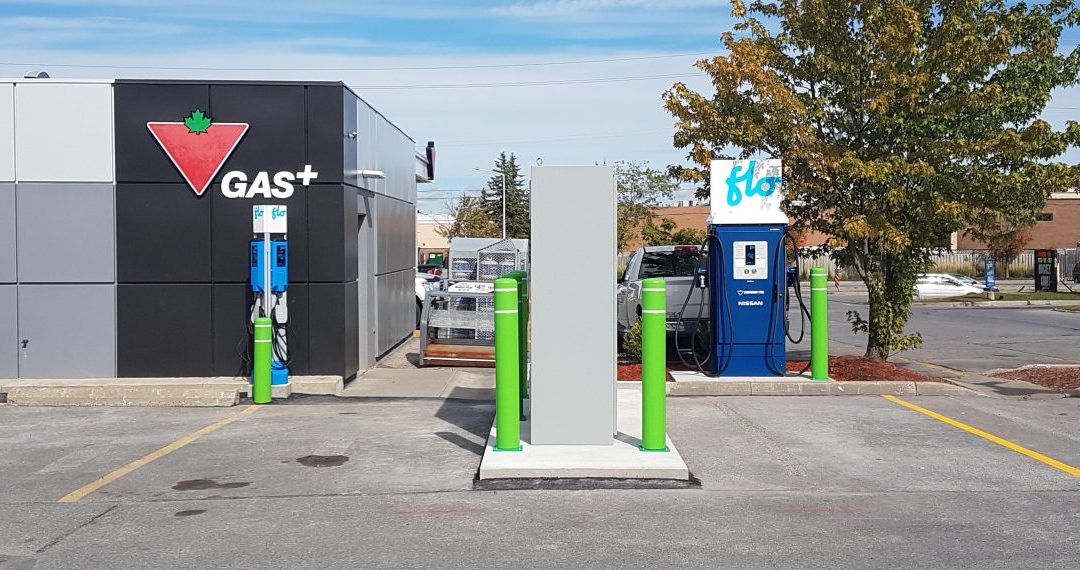
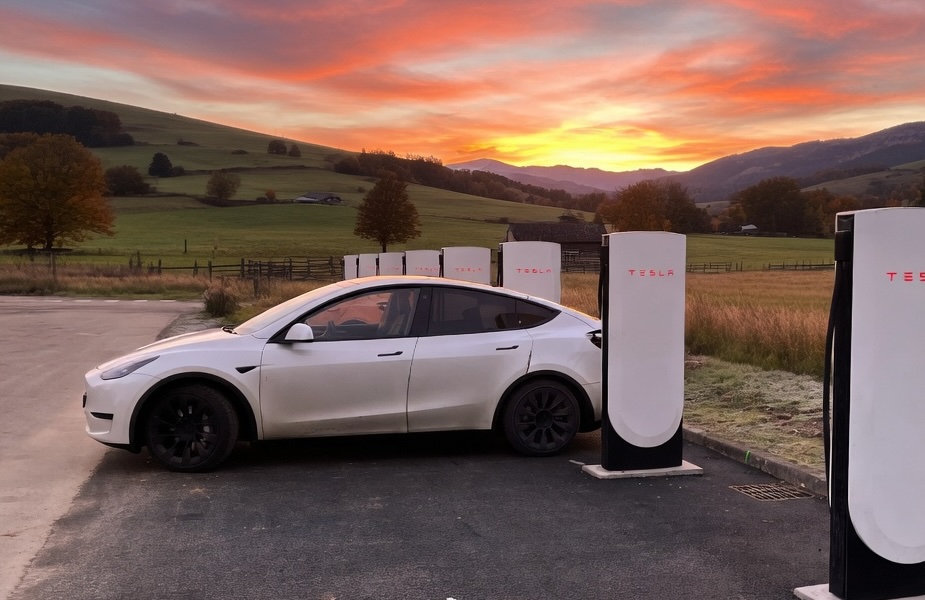
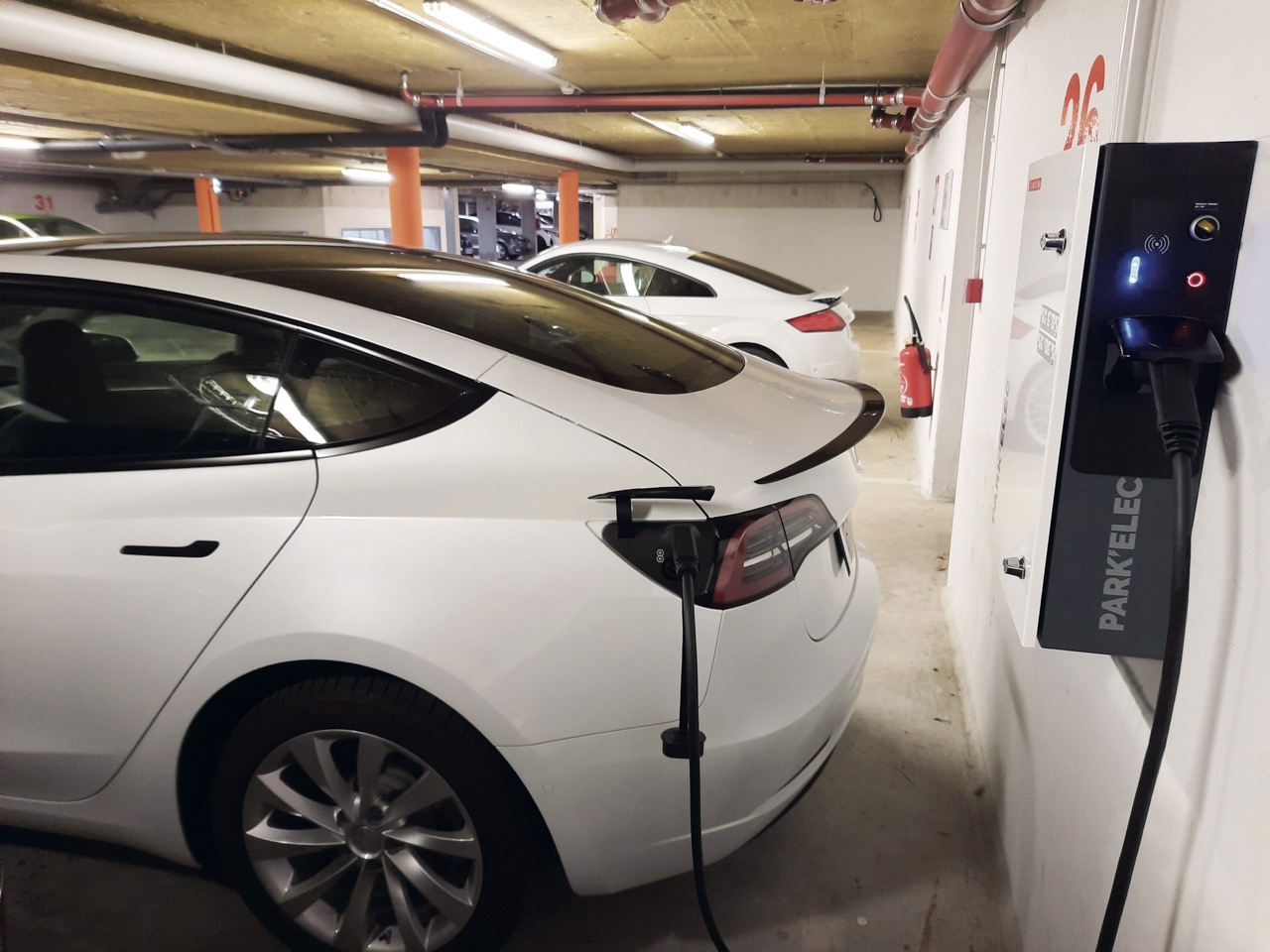
Successfully owning a Tesla without a garage hinges on understanding and leveraging the existing public and semi-public charging infrastructure. The cornerstone for many will be Level 2 public chargers, which are proliferating at supermarkets, shopping centers, public libraries, and parking garages. Using these during weekly errands or while at work can add significant range conveniently. Furthermore, Tesla's proprietary Supercharger network remains a game-changer for rapid top-ups. For renters, the key is to identify reliable charging points within a short walk or public transit ride from home, integrating charging into your existing routine rather than viewing it as a special trip.
Proactive Solutions: Negotiating Access and Portable Power
Renters should not assume their building is off-limits. A proactive conversation with your landlord or property management company can open doors. Propose a clear plan, potentially offering to cover the installation cost of a 240V NEMA 14-50 outlet or a Tesla Wall Connector, and highlight how it adds long-term value to the property. If dedicated parking is available, even without a garage, this can be a viable solution. For those with access to a standard exterior outlet, the Tesla Mobile Connector provides a slow but steady trickle charge, adding roughly 3-4 miles of range per hour. This "opportunity charging" can often cover the average daily commute.
Strategic Planning and Technology as Your Co-Pilot
Living with a Tesla sans garage demands a more strategic approach to "refueling," but Tesla's technology seamlessly enables it. The in-car navigation and mobile app are indispensable for locating nearby chargers, checking real-time availability, and even pre-conditioning the battery for optimal charging speed. Planning a longer charging session once a week at a local Supercharger while you read, work, or shop becomes a new habit. The financial aspect also shifts; instead of a consistent home electricity bill, your charging costs will be a mix of public network fees, which, while often higher than residential rates, are typically still significantly lower than the equivalent cost in gasoline.
For Tesla owners and investors, this evolving reality is profoundly significant. It dramatically expands the total addressable market for Tesla vehicles beyond single-family homeowners, directly into the heart of dense urban centers. Every new public charging location, every successful renter installation, and every improvement in charging speed makes the value proposition stronger for this massive demographic. The narrative is shifting from "where will you charge?" to "you can charge anywhere."