Owning a Tesla is often synonymous with the convenience of home charging, a nightly ritual for suburban homeowners with dedicated garages. But for millions of urban renters, the dream of electric vehicle ownership hits a seemingly insurmountable wall: "I want a Tesla, but I don't have a garage." This pervasive concern is frequently dismissed with impractical advice or undue pessimism. The reality, however, is that a growing ecosystem of solutions is making Tesla ownership not only possible but increasingly practical for city dwellers without private parking.
The Urban Charging Toolkit: Beyond the Home Wall Connector
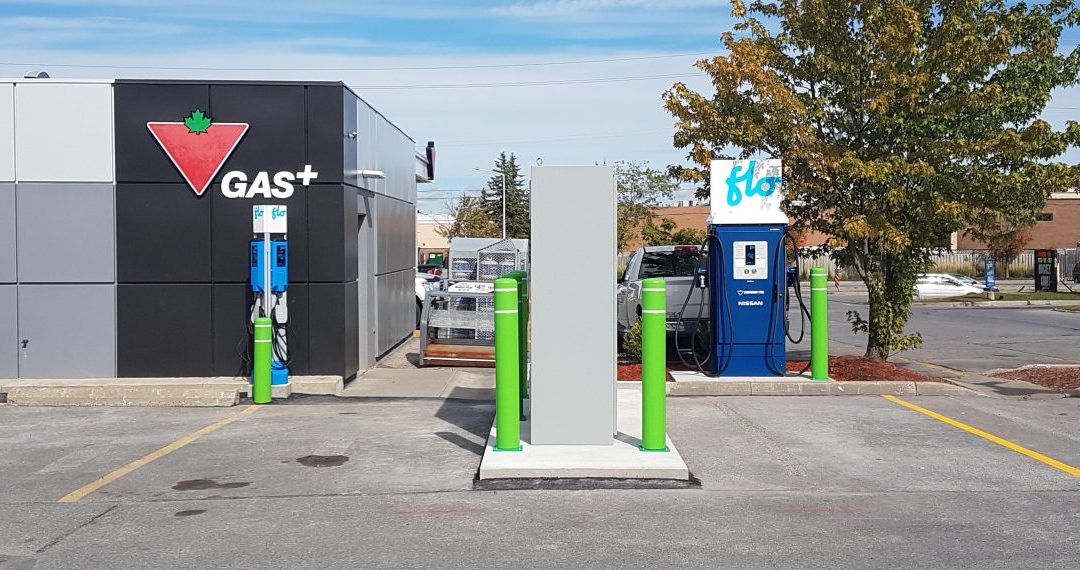
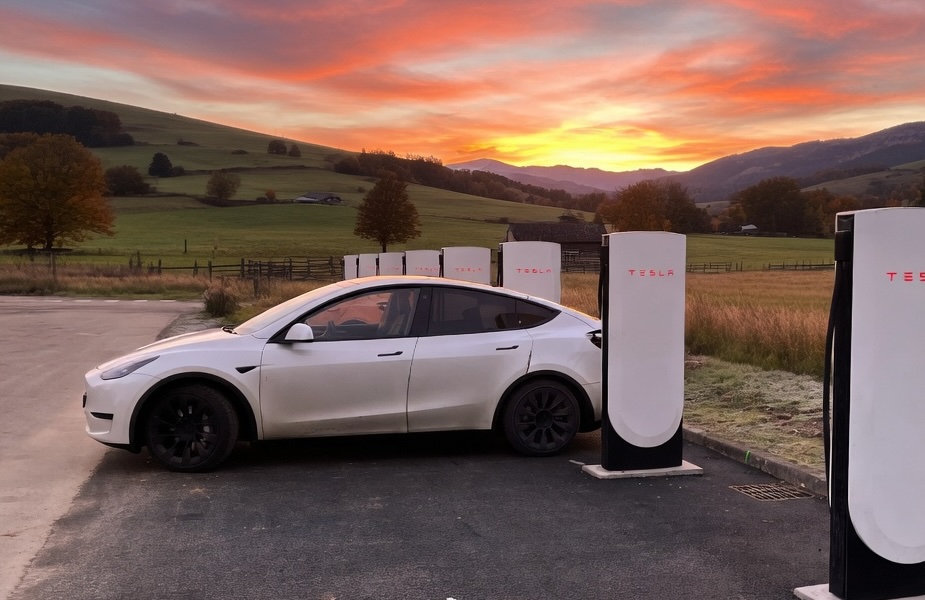
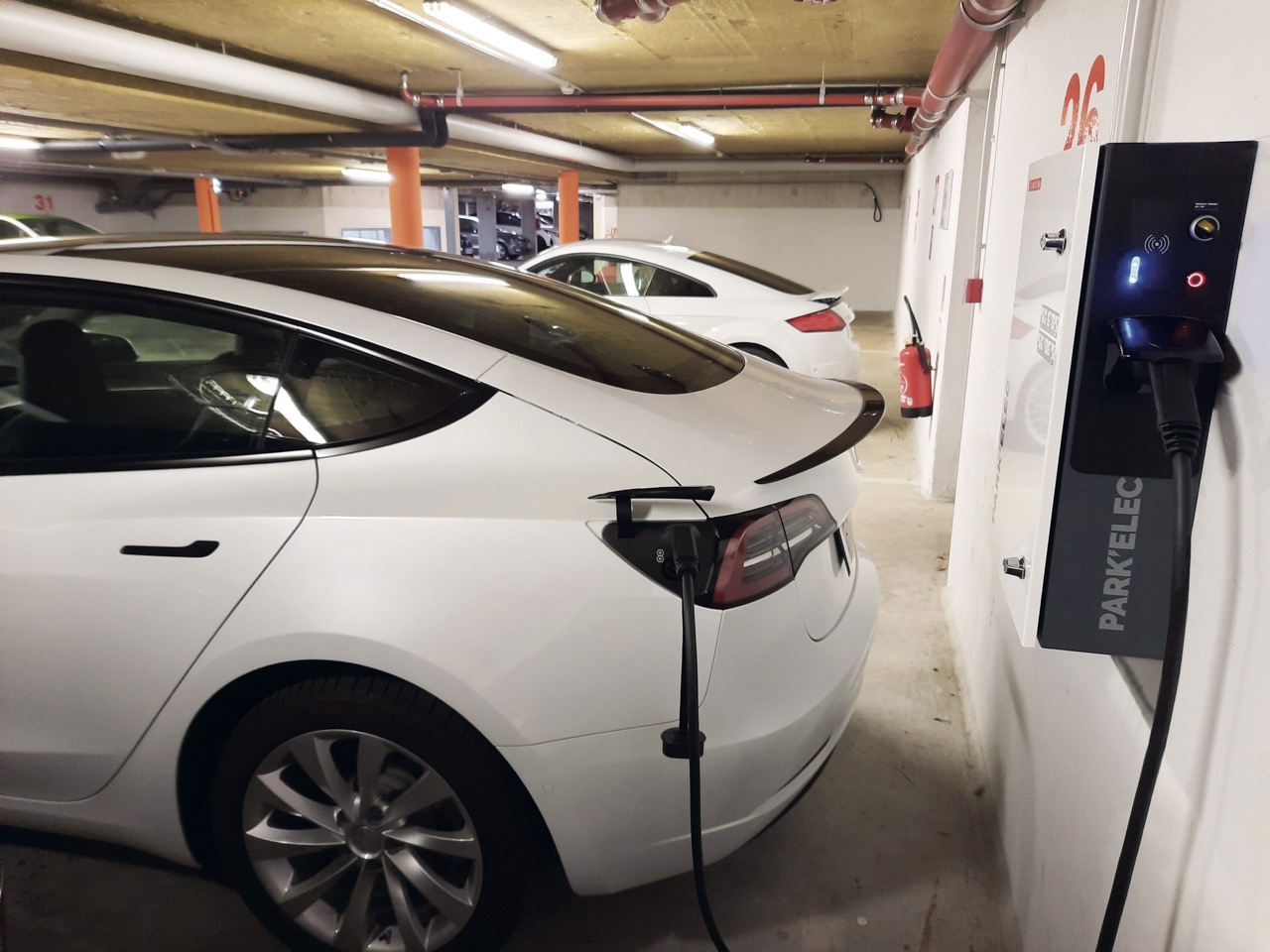
For the garage-less Tesla owner, charging becomes a strategic, multi-pronged endeavor rather than a single solution. The cornerstone for many is the robust and expanding Tesla Supercharger network, which provides rapid replenishment often in under 30 minutes. These are ideal for weekly top-ups paired with errands. Complementing this is the vast Tesla Destination Charging network at hotels, restaurants, and shopping centers, where you can add meaningful range while you work, dine, or shop. Furthermore, public Level 2 charging stations, accessible via apps like PlugShare, are proliferating in city parking garages, at workplaces, and even on some city streets, offering slower but often more affordable charging options.
Mastering the Logistics: Routine, Technology, and Local Infrastructure
Success hinges on integrating charging into your weekly rhythm. This means identifying reliable local stations—perhaps a Supercharger near your gym or a public charger at your grocery store—and using your Tesla's superb trip planner to seamlessly incorporate charging stops. Leveraging technology is non-negotiable. The Tesla mobile app allows for remote monitoring of your charge state, while third-party apps show real-time availability of non-Tesla public chargers. Critically, you must audit your immediate environment: some forward-thinking apartments and employers are installing charging stations, and certain cities are deploying curbside EV charging poles. A simple conversation with your landlord about the possibility of installing a 240V outlet could unlock a game-changing home-based solution, even without a dedicated garage.
The financial calculus also shifts. Without a fixed home electricity rate, you'll likely pay more per kilowatt-hour at public fast chargers. However, this is often offset by the drastically lower maintenance and fuel costs inherent to EVs. The key is budgeting for charging as a dedicated monthly line item, similar to a gasoline budget but with far more price stability. The convenience factor evolves; instead of a five-minute weekly gas stop, you might enjoy a 30-minute coffee break at a Supercharger or accumulate range passively while parked for other purposes.
Implications for Tesla Owners and Investors
For current and prospective urban Tesla owners, this guide underscores that ownership is less about where you park and more about understanding and accessing the network. It requires a shift in mindset from "filling up" to "staying topped up" opportunistically. For Tesla investors, the continued viability of Tesla ownership for the massive urban rental market is a critical growth vector. It highlights the immense strategic value of Tesla's industry-leading charging infrastructure—the Supercharger and Destination networks are not just amenities but essential enablers that break down the single largest barrier to EV adoption in cities. Every new urban charger installed expands Tesla's addressable market, making the investment case as much about the ecosystem as the vehicle itself.