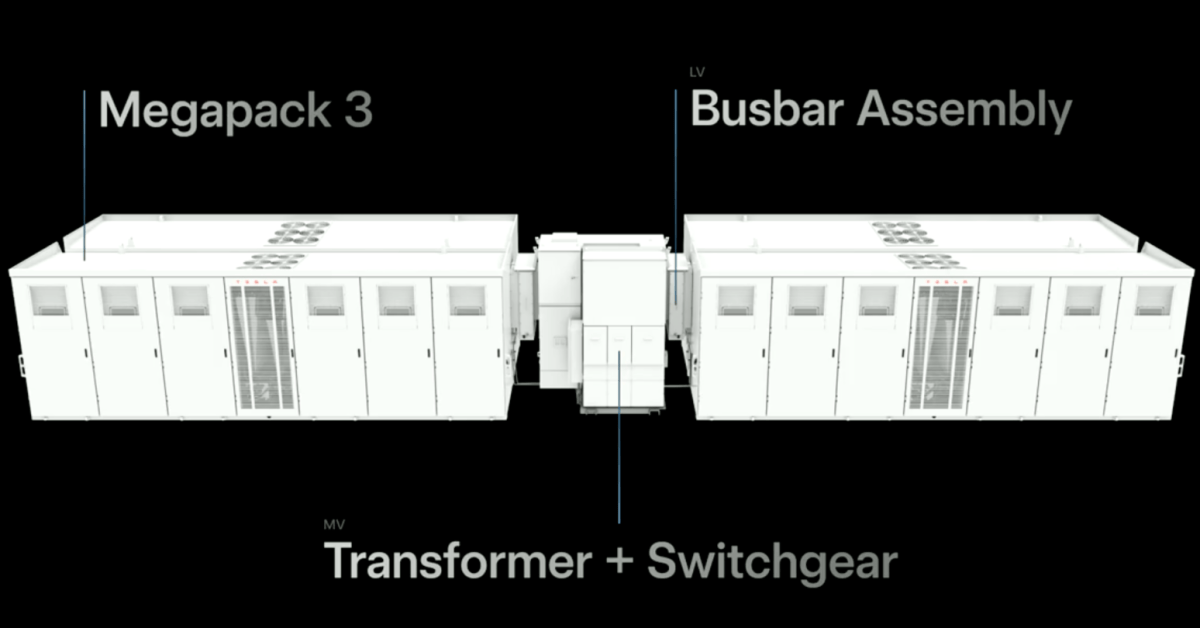
Tesla has secured foreign-trade zone status for its Megapack factory in Brookshire, Texas — a move that could streamline customs costs for the energy storage business, even as it leaves the company’s China tariff exposure firmly intact. The FTZ Board’s approval, published in the Federal Register on Monday, grants the designation for 14 months, giving Tesla a rare administrative tool as it scales domestic battery production amid a volatile trade landscape.
What the FTZ Designation Actually Does
A foreign-trade zone is a US customs program that allows manufacturers to defer duties on imported parts until finished goods leave the zone for domestic sale. For Tesla, the designation covers the Brookshire facility where Megapack utility-scale batteries are assembled — a product line that has become an increasingly important revenue driver as energy storage demand surges across the EV and grid infrastructure markets. The program is designed to keep manufacturing competitive on US soil by smoothing cash flow and reducing the burden of upfront tariff payments on components that arrive from abroad.
The timing matters. Tesla’s energy division has posted record deployments in recent quarters, and the Texas factory sits at the center of that expansion. Securing FTZ status gives the company more flexibility in how it manages inventory and duty payments — a meaningful operational lever for a product built around imported lithium iron phosphate (LFP) cells, largely sourced from China.
The China Tariff Question — and Tesla’s Own Answer
It is tempting to read the approval as Tesla winning a pass on tariffs for the Chinese LFP cells inside its Megapacks. Tesla’s own application says otherwise. Parts hit by Section 301, Section 232, or Section 122 tariffs still pay them — the FTZ program does not exempt goods from those duties. In other words, the designation changes the timing and mechanics of customs payments, not the underlying tariff obligations.
That distinction is critical for investors parsing the headlines. The Biden-era Section 301 tariffs on Chinese battery components remain a structural cost headwind for Tesla’s storage business, and the incoming administration’s trade posture has only intensified uncertainty around Chinese imports. Tesla has been steadily diversifying cell sourcing — including LFP production plans in Nevada — but Chinese cells remain embedded in the Megapack supply chain for now. The FTZ approval softens the logistics, not the levy.
Why It Matters Beyond the Balance Sheet
The 14-month window is also notable. FTZ designations are typically granted for longer horizons, and the shorter duration suggests regulators want to review how the program performs at Brookshire before extending it. For Tesla, that means the benefit is real but provisional — a test run as much as a concession. The company will need to demonstrate compliance and operational discipline to secure a renewal.
Strategically, the approval reinforces Tesla’s push to localize energy storage manufacturing in the United States, a priority that aligns with federal incentives for domestic clean energy production. The Megapack is increasingly central to Tesla’s growth story as EV margins compress and competition intensifies. Any tool that improves cost efficiency in that segment carries outsized weight for the company’s valuation narrative.
For Tesla owners and investors, the takeaway is nuanced. The FTZ status is a genuine operational win that improves cash flow management at a flagship energy facility — but it is not a tariff shield. Chinese LFP cells inside every Megapack still face the same duties as before, and the 14-month clock is already ticking. Investors should watch for renewal signals and for progress on Tesla’s domestic cell sourcing, which ultimately matters more to long-term margins than any customs deferral. The approval buys Tesla time and flexibility; it does not buy it relief.