One Box, Three Jobs: Inside Powercore's Specs
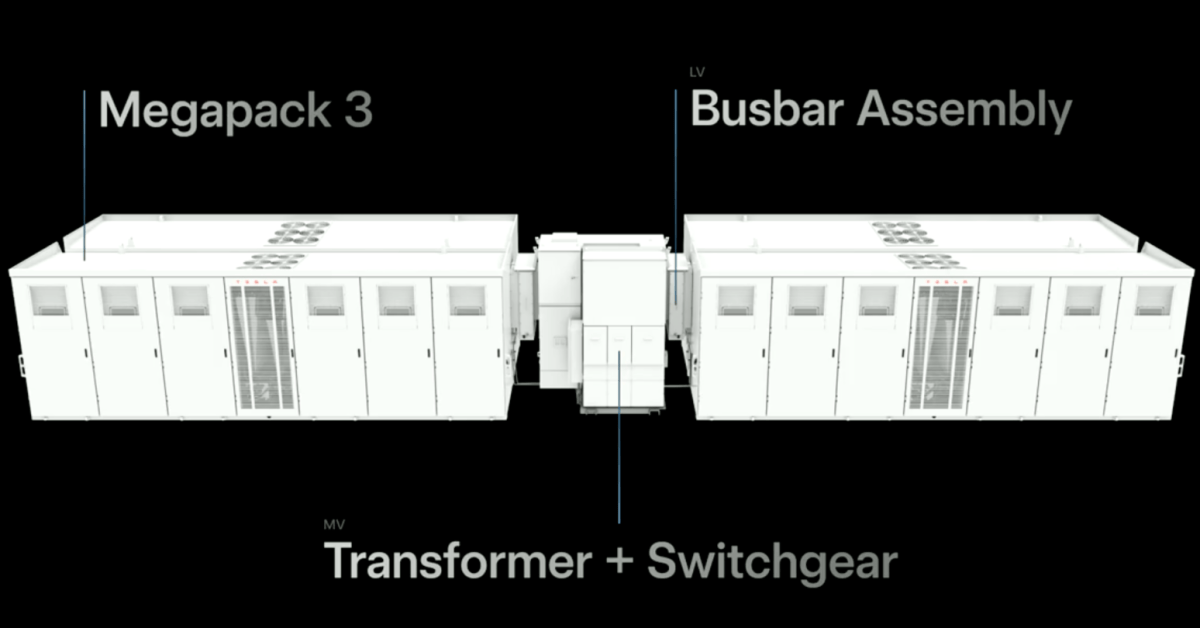
Tesla rates Powercore at 7.4 MW (9 MVA) continuously at 34.5 kV, with grid-forming capability supporting up to 10 MVA of peak power. The significance lies in the integration: conventional grid interconnects require separate transformer, inverter, and breaker hardware, each with its own losses, footprint, and failure points. By collapsing all three functions into one solid-state unit, Tesla claims a smaller physical footprint, fewer components to fail, and faster deployment for utility-scale battery storage and charging infrastructure. The company says Powercore is made in America, a detail that matters for projects chasing domestic-content incentives under federal clean energy programs.
A Rivalry With a Backstory
The competitive subtext is hard to miss. Drew Baglino spent 18 years at Tesla, rising to senior vice president of powertrain and energy engineering before resigning in April 2024. He launched Heron Power in 2025 with a simple thesis: replace the century-old iron-and-copper transformer with solid-state power electronics. The Heron Link targets the same medium-voltage, grid-forming niche Powercore now occupies. Tesla's announcement effectively confirms the market Baglino is chasing—while signaling that his former employer intends to own it. For context, solid-state transformers have long been a laboratory curiosity; the difficulty has always been scaling silicon-carbide semiconductors to utility voltages at competitive cost. Both companies are now betting they have solved it simultaneously.
Why the Grid Needs This—and Why 2027 Matters
Data centers, AI compute clusters, and utility-scale battery storage are straining interconnection queues across the United States. Medium-voltage power electronics promise to ease that bottleneck by shrinking substation footprints and enabling faster grid-forming support for renewable-heavy networks. Tesla's energy business—Megapack and Megafactory deployments—provides a captive customer base for Powercore, giving the product a built-in launch market that Heron Power must build from scratch. The 2027 timeline is aggressive for both firms; solid-state transformer production at scale remains unproven industry-wide, and any slip by either company hands the other a first-mover advantage in a category analysts expect to grow rapidly through the decade.
For Tesla investors, Powercore deepens the energy-division narrative beyond battery cells—an integrated grid-hardware play with recurring infrastructure revenue and domestic-manufacturing tailwinds. For Tesla owners, the payoff is indirect but real: cheaper, faster-to-deploy grid infrastructure lowers the cost of Supercharger buildouts and home-energy ecosystems. The Baglino angle adds a human drama to the engineering race, but the substance is starker—two visions of the electrified grid, launching the same year, and only one likely to set the standard.