A California judge has ruled that Tesla is liable for fraud in a long-running Solar Roof dispute, a decision that transforms a messy installation complaint into one of the most damaging legal findings the company's energy division has faced. The ruling came after Tesla repeatedly failed to produce evidence the court had ordered — a failure that ultimately cost the company far more than the documents ever could have.
Repeated Discovery Failures Turn a Contract Case Into a Fraud Ruling
The case began as a dispute over a single residential installation, but it escalated quickly. Tesla had already conceded the essentials: it breached the contract, violated its warranty, and acted negligently on the job. What remained was the question of fraud — and the judge answered it against Tesla after the company repeatedly failed to hand over required evidence. Courts rarely reach such conclusions lightly; sanctions of this kind typically follow warnings, missed deadlines, and explanations the judge finds inadequate. In this instance, the pattern was severe enough that the court treated Tesla's conduct as legally equivalent to an admission.
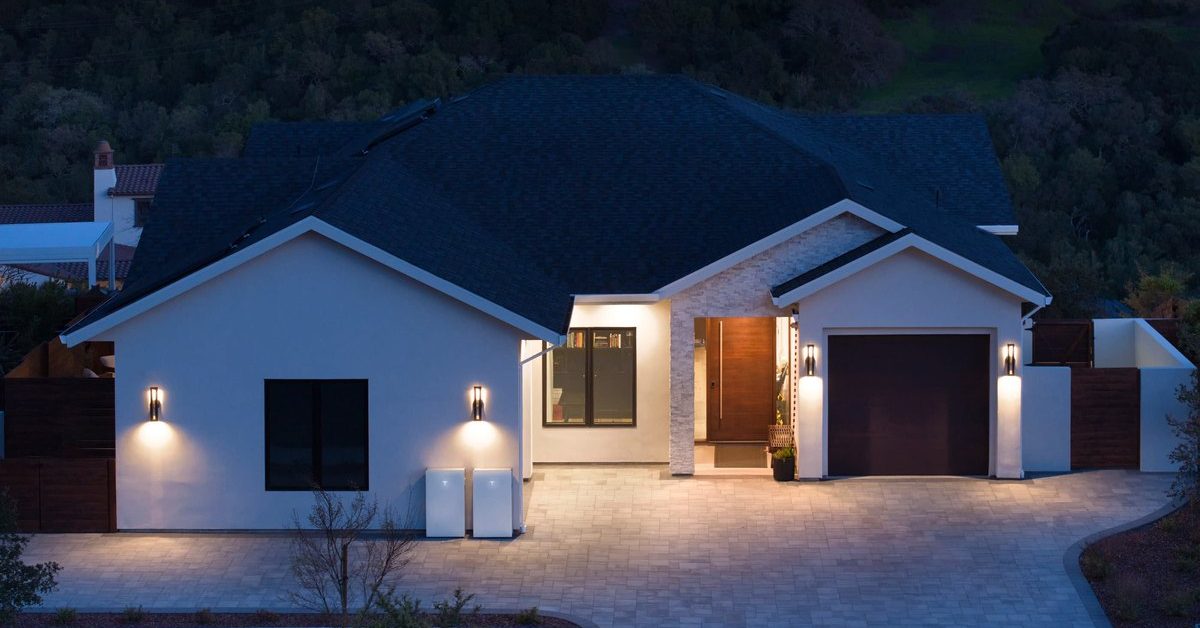
The homeowner describes the damage to his home as catastrophic, estimating that repairs will cost "well over $2.5 million." Tesla, for its part, once offered him $5,000 — a figure so far below the claimed damages that it underscores how poorly the company appears to have understood, or chosen to engage with, the scope of the problem.
What the Solar Roof Was Supposed to Be
The stakes here extend well beyond one house. Tesla unveiled the Solar Roof in 2016 with a promise that it would be a beautiful, integrated roofing product that generated electricity while lasting longer than conventional roofs. For years, CEO Elon Musk pitched it as a cornerstone of Tesla's energy business, positioning the company as more than an automaker. The product's rollout, however, has been slow and costly, and installers have publicly described complex, time-consuming deployments that strained crews and customers alike. This case gives that operational friction a legal dimension: a judge has now found that Tesla's handling of at least one installation crossed from poor execution into fraud.
Why This Ruling Matters Beyond One Homeowner
For Tesla investors, the fraud designation is a genuine liability, not a public-relations nuisance. Fraud findings can open the door to punitive damages and can strengthen the hand of other homeowners pursuing similar claims. Tesla's energy division has long been a modest contributor to revenue compared with its vehicle business, but legal exposure tied to Solar Roof installations could compound at precisely the moment the company is trying to convince the market that energy storage and solar are growth engines. A pattern of discovery failures, if repeated across cases, also invites closer scrutiny from regulators and plaintiff attorneys alike.
For Tesla owners and prospective Solar Roof customers, the lesson is more practical. The ruling suggests that when installations go wrong, the company's first instinct may be to underbid the damage rather than resolve it — and that courts are willing to penalize that posture. Homeowners with unresolved Solar Roof complaints should document everything, preserve correspondence, and understand that contractual admissions by Tesla have already been established in at least one courtroom.
The judge's decision does not end the case — damages still must be determined — but it reframes it. What Tesla once characterized as an "experiment" on a customer's home is now, in the eyes of the court, a fraud for which the company is liable. For a business built on the promise of engineering excellence, that is a verdict with consequences far beyond the roof in question.