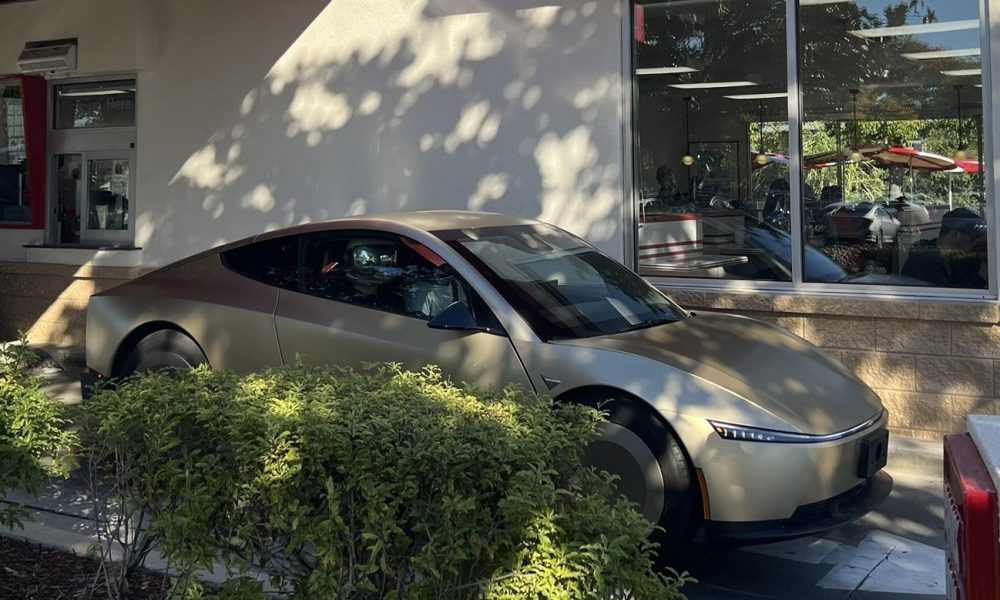
In a pivotal regulatory victory, Tesla has secured a crucial waiver from the Federal Communications Commission (FCC) to deploy its proprietary wireless charging system for the highly anticipated Cybercab robotaxi platform. This decision clears a significant technical and legal hurdle, moving Tesla's vision of a fully autonomous, wirelessly charged fleet from concept toward concrete reality. The approval specifically addresses the unique power requirements of the system, allowing it to operate outside existing strict limits for fixed outdoor equipment.
Decoding the FCC Waiver and Its Technical Significance
The FCC's role is to ensure electronic devices do not cause harmful interference with licensed radio services. Tesla's wireless charging system operates at higher power levels than typically permitted for such equipment. The granted waiver is not a blanket approval but a targeted exemption for this specific technology when installed as fixed infrastructure, like in designated charging pads. This indicates Tesla's system uses a novel approach that necessitated regulatory flexibility, likely involving high-frequency or high-power transfer to efficiently charge a vehicle without physical contact, a key enabler for full autonomy.
Strategic Implications for the Robotaxi Ecosystem
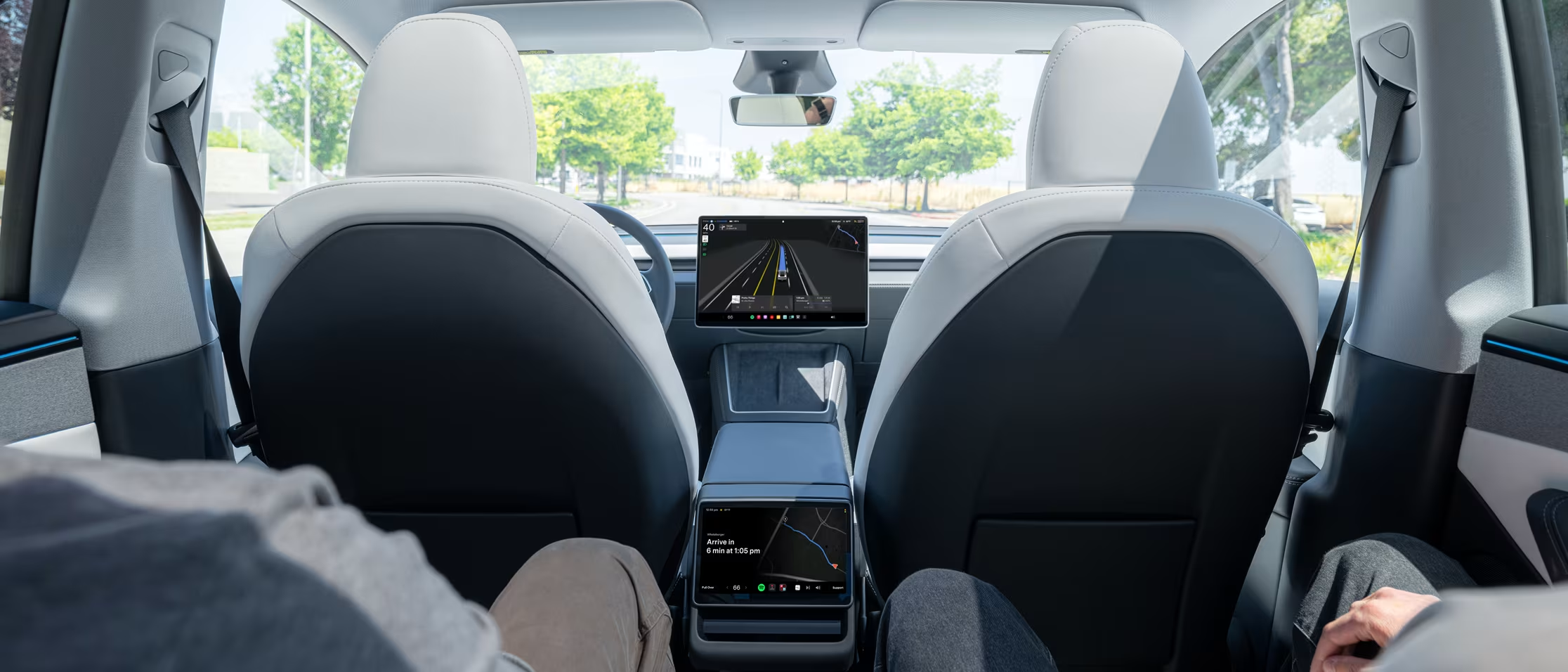
This approval is far more than a technical footnote; it is a strategic linchpin for the entire Tesla Network business model. A successful robotaxi service requires maximal vehicle uptime. Traditional plug-in charging creates downtime and may require human intervention. A wireless system allows Cybercabs to autonomously align with charging pads between fares, creating a seamless, hands-off energy replenishment loop. This capability is critical for achieving the low operational cost and high utilization rates that make robotaxi economics revolutionary. It also suggests Tesla is building a closed, vertically integrated ecosystem—from the vehicle and its self-driving software to the dedicated charging infrastructure.
The move places Tesla in direct competition with other companies developing wireless EV charging, but with a distinct focus. While companies like WiTricity target consumer vehicles, Tesla's FCC filing explicitly ties the system to the "Cybercab," indicating a first-principles design for commercial fleet use. This specialization could allow for faster charging speeds and more durable hardware optimized for constant, automated use. The decision also pressures municipalities and partners to consider installing this proprietary infrastructure, potentially giving Tesla a first-mover advantage in defining the physical standards for autonomous fleet charging.
What This Means for Tesla Owners and Investors
For Tesla investors, the FCC waiver is a strong signal that the company's robotaxi project is advancing with serious institutional momentum. Regulatory wins are often the unsung heroes of technological disruption, and this one de-risks a core component of the August 8th Cybercab unveiling. It demonstrates Tesla's ability to navigate complex federal agencies to enable its long-term vision. For current Tesla owners, this development hints at the future infrastructure that could one day support their own vehicles if wireless charging technology eventually trickles down to consumer models. More immediately, it reinforces the company's trajectory beyond automotive manufacturing into a broader mobility and energy services platform, a key pillar of its astronomical valuation.