In the fiercely contested arena of corporate reputation, Tesla has secured a victory that is as revealing as it is controversial. The latest Leaders of Change ranking by Swiss sustainability watchdog Inrate has crowned Tesla as the top-performing U.S. company for environmental and social governance (ESG) progress—a result poised to infuriate critics who have long painted the EV maker as an ESG laggard.
Decoding the Leaders of Change Victory
The annual Inrate assessment moves beyond static ESG ratings to measure year-over-year improvement. Tesla's triumph is underscored by a significant jump in its overall score to 49 percent, a 6-percentage-point increase from the previous year. This surge allowed Tesla to not only maintain its lead but widen it, now sitting a commanding 4 points ahead of second-place Ford. The data indicates that Tesla's operational changes are accelerating faster than those of its peers, particularly in critical environmental areas. This methodology focuses on momentum, rewarding demonstrable action over promises, which explains why Tesla's tangible decarbonization efforts are being recognized.
Fossil-Free Operations Take Center Stage
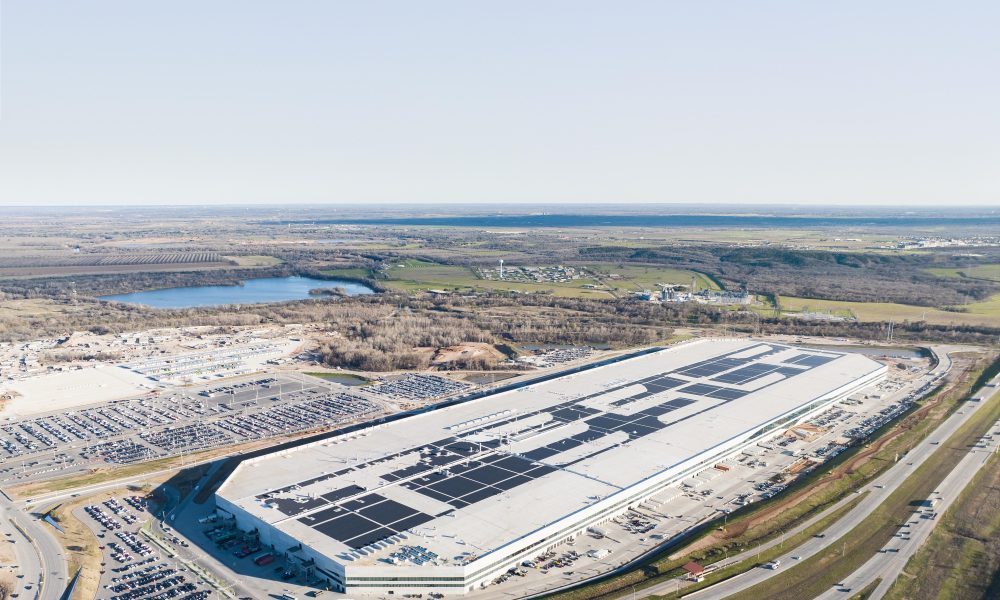
The most compelling facet of Tesla's high score lies in its performance in the Fossil Free & Environment category, where it achieved a 50 percent score. This reflects audited progress in reducing emissions across its sprawling manufacturing and supply chain operations. From its Gigafactories designed with renewable integration to its relentless focus on vertical integration and material efficiency, Tesla's entire business model is engineered to shrink its carbon footprint. While critics often highlight the environmental cost of battery production, this award suggests third-party analysts are seeing net-positive gains from Tesla's systemic approach to industrial decarbonization.
This award will undoubtedly face sharp scrutiny from certain ESG quarters that penalize Tesla for its governance structure and past controversies. However, Inrate's "Leaders of Change" distinction is intentionally narrow: it measures rate of improvement, not an absolute ethical scorecard. By this metric, Tesla's rapid scaling of EV production—which directly displaces fossil fuel consumption—and its investments in cleaner manufacturing processes are translating into measurable, year-on-year gains that outperform other major corporations.
For Tesla owners and investors, this award reinforces a crucial narrative beyond quarterly deliveries. It provides an independent, data-driven counterpoint to the persistent ESG criticism that has sometimes weighed on the stock. The recognition of operational decarbonization progress underscores the long-term value of Tesla's integrated, factory-focused strategy. It signals to the market that the company's environmental impact is actively improving as it scales, potentially making it more resilient to regulatory shifts and appealing to a broader cohort of sustainability-focused funds. While the debate will rage on, this award adds a substantive layer to the investment thesis, highlighting that Tesla's execution is accelerating not just in sales, but in the fundamental metrics of modern corporate responsibility.