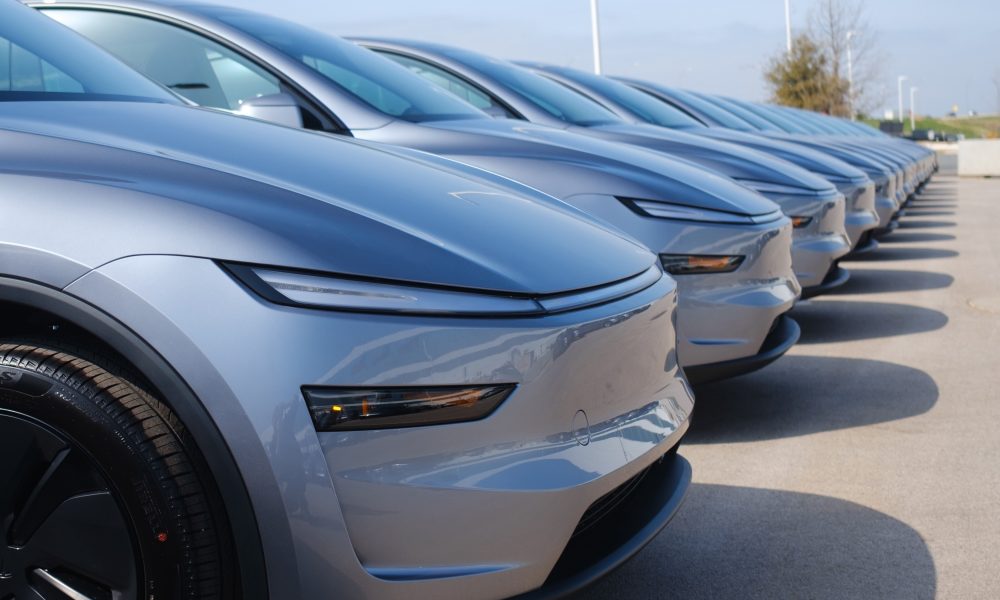
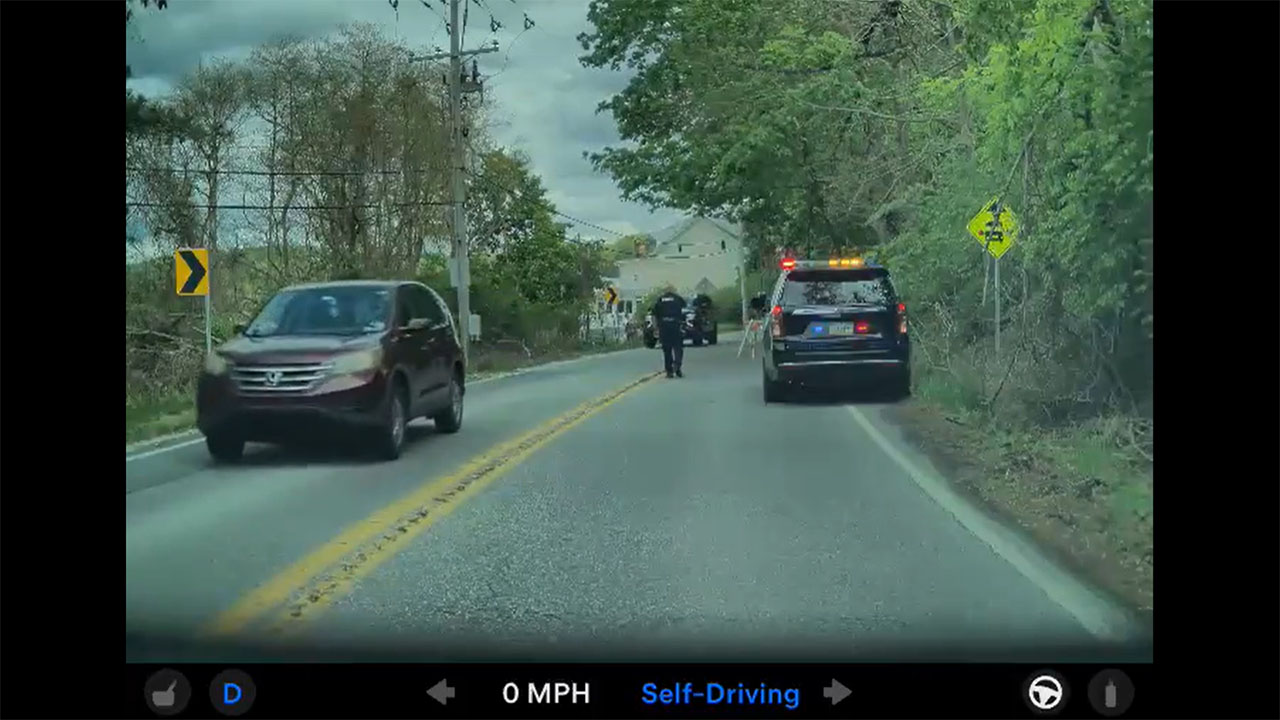
In a stunning admission that could reshape its financial and technological roadmap, Tesla is reportedly considering a radical solution to its most persistent hardware problem: building dedicated "microfactories" to retrofit millions of older vehicles sold with the now-unfulfillable promise of Full Self-Driving capability. This potential pivot, floated by CEO Elon Musk, acknowledges a core contention that has dogged the company for years—that a significant portion of its fleet lacks the necessary hardware for true autonomy, despite being marketed as "Full Self-Driving Computer" ready.
The Hardware Hurdle: A Legacy of Unmet Promises
The issue centers on the generational leap from Tesla's Hardware 3.0 (HW3) to its current Hardware 4.0 (HW4) suite. While HW3 represented a monumental step forward, Tesla's ongoing development has revealed its limitations, particularly with its camera suite and processing power. The crux of the matter is that millions of vehicles equipped with HW3—sold between 2019 and 2023—were purchased with the explicit or implied understanding they contained all hardware needed for future full autonomy. Tesla's own website for years stated the cars included "all hardware needed for Full Self-Driving capability." However, the superior resolution, placement, and redundancy of HW4's camera system have made it clear that HW3 vehicles are operating on a fundamentally inferior sensory platform, creating a tangible performance ceiling for the ambitious FSD software.
Musk's Microfactory Gambit: Logistics Over Profit?
Facing this legacy hardware base, Elon Musk's proposed solution is as unconventional as the problem itself. Instead of relying on its existing service centers, the idea is to establish urban microfactories dedicated solely to the complex retrofit process. This would involve not just swapping the Autopilot computer, but likely replacing the entire camera array around the vehicle—a labor-intensive and costly procedure. For a company under intense pressure to protect its profit margins and streamline operations, dedicating capital and space to retrofitting old cars, rather than building new ones, appears counterintuitive. It signals a potentially massive, unplanned operational expense aimed at preserving brand trust and legal standing more than immediate financial gain.
The move can be interpreted as a strategic necessity. With regulatory scrutiny intensifying and class-action lawsuits looming over FSD claims, proactively addressing the hardware gap could be a defensive play. It attempts to convert a major point of customer and legal contention into a demonstration of commitment. However, the scale is daunting. Executing retrofits at this volume in a cost-effective manner is an unprecedented challenge in the automotive industry, turning what was once a software-update narrative into a physical, logistical marathon.
Implications for Owners and the Investment Thesis
For Tesla owners with HW3 vehicles, this proposal is a double-edged sword. It offers a potential path to the modern hardware suite, likely improving the performance and safety ceiling of their FSD system. However, the key question will be cost: will Tesla absorb the expense as a goodwill gesture, or will it be a paid upgrade, potentially costing thousands of dollars? The answer will define customer sentiment. For investors, this introduces a new variable into an already complex equation. While mitigating a long-term liability, the microfactory plan represents a significant, margin-diluting capital expenditure with no direct revenue upside if subsidized. It underscores the hidden costs of Tesla's "sell now, perfect later" approach to autonomy and will force the market to weigh the value of customer satisfaction and risk reduction against the stark impact on quarterly earnings.