For years, a significant question has loomed over Tesla's most dedicated customers: what becomes of their investment in Full Self-Driving (FSD) when their vehicle's computer reaches its technological limit? During its Q1 2026 earnings call, Tesla finally provided substantial clarity, outlining a multi-pronged strategy to upgrade older Hardware 3 (HW3) vehicles. This plan, involving retrofits, new microfactories, and financial incentives, represents a critical step in honoring past promises while navigating the complex transition to next-generation autonomy.
A Structured Path for Hardware 3 Retrofits
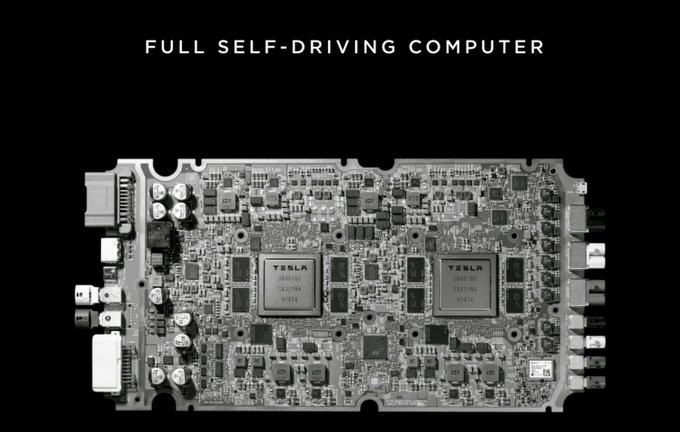
Tesla confirmed that owners of HW3-equipped vehicles who purchased the FSD capability will be eligible for a hardware upgrade to the latest Hardware 5 (HW5) suite. This is not a simple computer swap; it's a comprehensive retrofit of sensors and computational hardware. The process will be managed through Tesla's expanding service network, with priority likely given to those who bought FSD outright versus subscribers. Crucially, the company emphasized this upgrade path is a fulfillment of its commitment, ensuring that early adopters are not left behind as the software's capabilities finally begin to approach the "full self-driving" benchmark.
Microfactories and Discounts to Streamline the Transition
To handle the anticipated volume of these complex retrofits efficiently, Tesla revealed it is establishing dedicated microfactories. These specialized facilities will focus solely on the upgrade process, aiming to increase throughput and reduce vehicle downtime. Furthermore, in a move that acknowledges the long wait many customers have endured, Tesla announced a discount program for eligible owners. While exact figures were not disclosed, this discount on the upgrade cost serves as a goodwill gesture, partially offsetting the years these customers have operated with a limited FSD experience compared to newer hardware.
The decision to pursue this costly and logistically challenging program is a strategic one. It directly addresses a growing point of contention that risked damaging brand loyalty and trust. By proactively managing the HW3 transition, Tesla is seeking to stabilize its FSD revenue model, reinforcing the value proposition of its software for both current and future buyers. This approach also creates a controlled pipeline to bring more vehicles onto the more capable HW5 standard, expanding the unified data fleet necessary for training its autonomous systems.
For Tesla owners with HW3, this announcement provides long-awaited certainty. They can now expect a formal invitation and cost schedule from Tesla in the coming quarters. For investors, the plan mitigates a key liability and potential future revenue disruption. While the retrofit program will incur significant short-term costs, it protects the high-margin FSD software segment and strengthens the argument for Tesla's vehicles as appreciating assets through software updates. The success of this upgrade rollout will be a major test of Tesla's operational execution and its ability to balance innovation with customer stewardship.