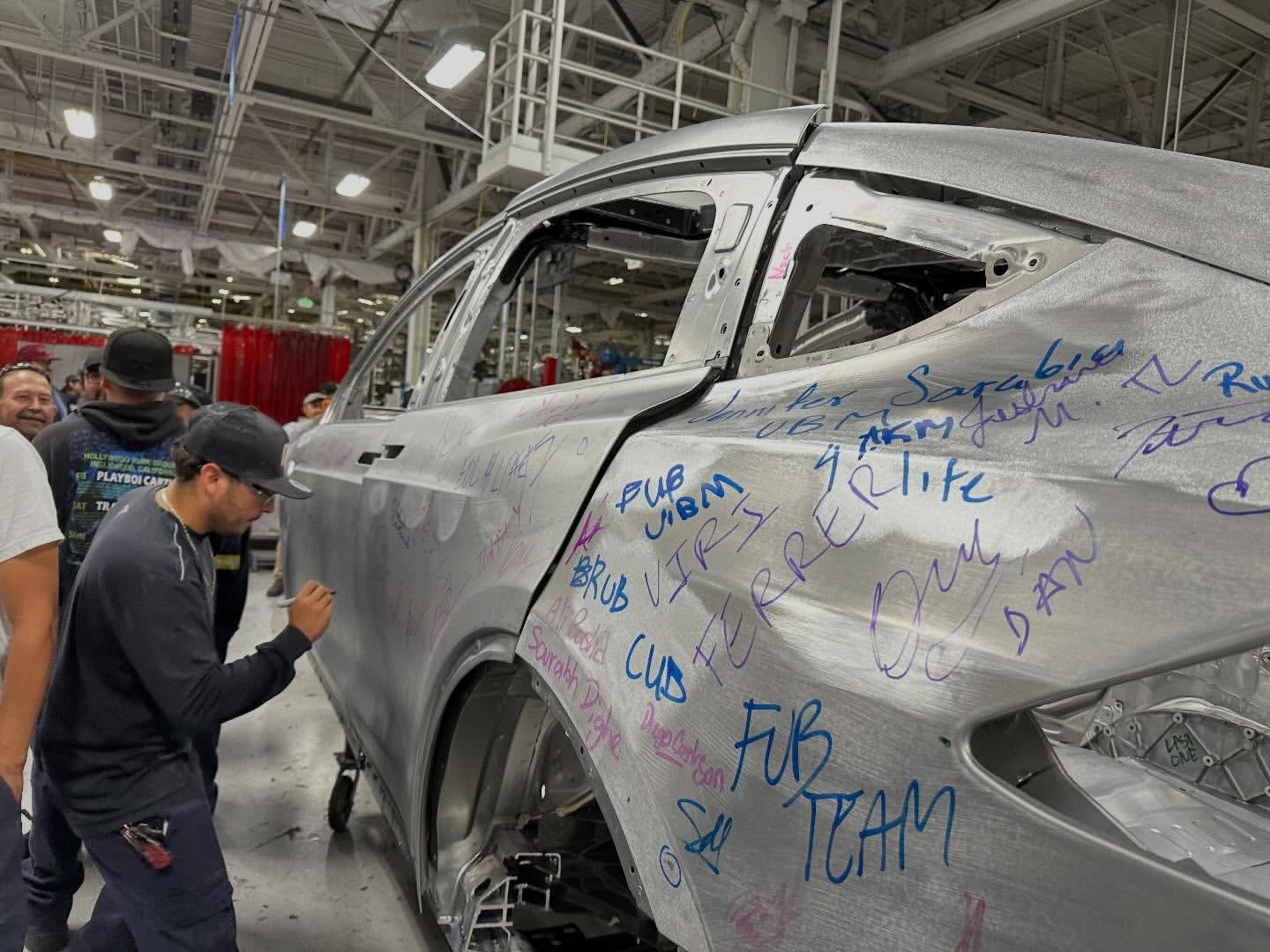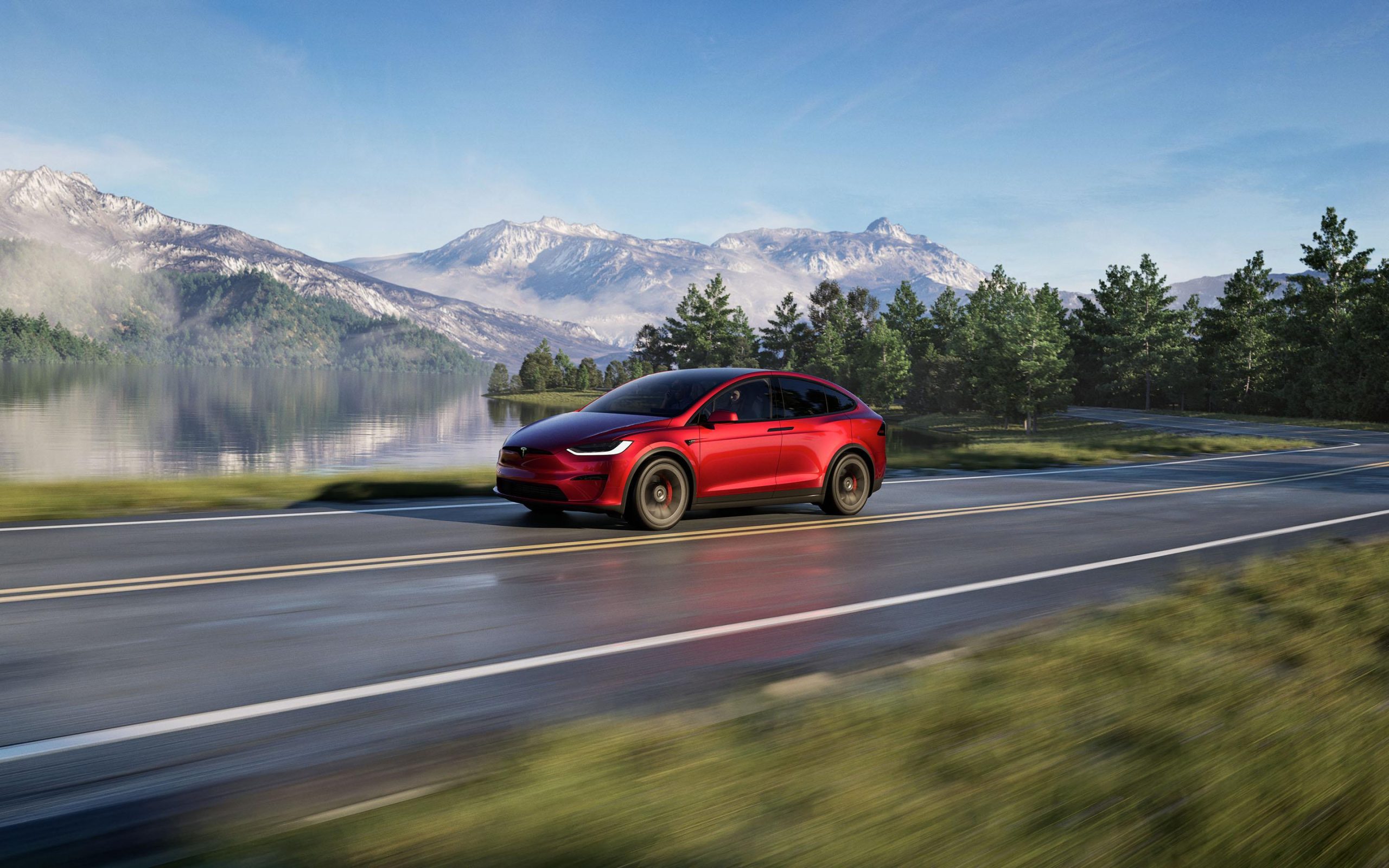
The first quarter of 2026 will be remembered as the moment Tesla's past officially made way for its future. As the company halts production of its iconic Model S and Model X, a symbolic end of an era, the financial world's focus shifts from legacy luxury EVs to the ambitious, AI-driven ecosystem Tesla is now betting its trillion-dollar valuation on. The upcoming earnings call on April 22, 2026, is poised to be less a financial review and more a strategic deep dive into the next revolution.
The Strategic Pivot: From Car Company to AI & Robotics Integrator
Discontinuing the Model S and X is not a retreat but a deliberate reallocation of capital and engineering talent. These vehicles, which defined the premium electric vehicle market and proved EVs could be desirable, have served their purpose. Tesla's resources are now overwhelmingly funneled into three pillars: scaling the Model 3/Y platform globally, ramping up production of the next-generation $25,000 compact car, and, most critically, advancing its AI and robotics initiatives. The Optimus humanoid robot, Full Self-Driving (FSD) software, and the Dojo supercomputer are no longer side projects; they are the new core. Investors will demand clarity on how these segments integrate to form a cohesive, high-margin business model beyond automotive manufacturing.
Seven Critical Questions for the Q1 2026 Earnings Call
The analyst community will be laser-focused on specific metrics and timelines. Key questions will include the production timeline and margin targets for the next-gen vehicle, crucial for maintaining volume growth. Updates on Optimus deployment with initial commercial partners will be scrutinized for real-world validation. Furthermore, the path to regulatory approval for true autonomous driving and the monetization strategy for the FSD/AI stack as a licensed service will be paramount. Finally, with the end of the S/X, how Tesla plans to maintain its brand's technological halo and premium positioning without those flagship models will be a central theme.
This transition also forces a reevaluation of Tesla's competitive moat. It is no longer solely about gigacasting and battery cost per kWh. The new battleground is real-world AI training data, neural network efficiency, and robotic hardware reliability. Tesla's lead, if it exists, is measured in billions of miles of FSD data and the computational power of Dojo. The Q1 call must provide evidence that this lead is widening into an insurmountable barrier for rivals, translating data supremacy into profitable products and services.
Implications for Owners and Investors
For Tesla owners, this shift signals an accelerated evolution of their vehicles from products into updatable platforms. The value of a Tesla will increasingly reside in its software and AI capabilities. For investors, the risk profile is changing. The narrative is transitioning from automotive margins to software/robotics multiples, a potentially more lucrative but less proven model. Volatility may increase as the market digests each update on Optimus or FSD licensing. The end of the S and X is a clear signal: Tesla is no longer just a car company, and its future will be judged by the success of a much bigger, more complex technological revolution it is striving to lead.