In a high-stakes legal battle that cuts to the core of innovation and intellectual property in the electric vehicle industry, Tesla is pursuing a staggering $1 billion in damages from Matthews International. The case, which alleges a brazen, multi-year campaign of trade secret theft, has entered a critical new phase, with a senior Tesla executive recently providing fresh insight into the company's aggressive legal strategy and the evidence it has amassed.
The Alleged Theft: A Three-Year Deception
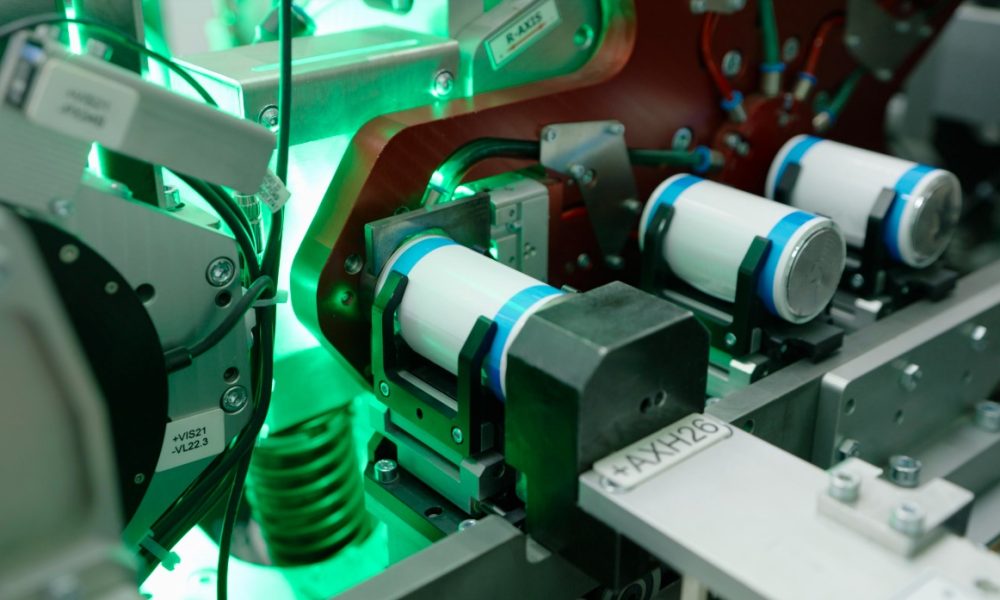
According to Tesla's federal lawsuit filed in July 2024, the heart of the dispute involves proprietary dry electrode coating technology—a critical manufacturing process that enhances battery performance and reduces production costs. Tesla alleges that Matthews, a supplier, systematically copied this confidential technology into its own machinery and then sold those systems to Tesla's EV competitors. Most damningly, Tesla claims Matthews lied about these actions for three years, continuing to ship the disputed technology even while under scrutiny. This alleged prolonged deception transformed a potential contract dispute into a full-scale trade secret war, prompting Tesla's unprecedented billion-dollar claim.
Legal Strategy and Technological Implications
In recent explanations, Tesla's legal team has underscored the deliberate and calculated nature of the alleged theft. The case hinges not on a single leaked document, but on the illicit replication of an integrated, complex manufacturing system. This move by Tesla signals a newly aggressive posture in protecting its technological moat, especially concerning its industry-leading battery development. For a company whose valuation is tightly linked to its perceived technological edge, securing its trade secrets is as crucial as innovating new ones. The litigation demonstrates Tesla's willingness to use the full force of the legal system against suppliers it believes have violated its trust and compromised its competitive advantages.
The implications of this case extend far beyond the courtroom. Tesla's dry electrode technology, pioneered via its acquisition of Maxwell Technologies, is a cornerstone of its efforts to produce more affordable and energy-dense batteries. If the allegations are true, the illicit dissemination of this know-how could potentially narrow a key competitive gap, affecting the long-term landscape of the electric vehicle market. This lawsuit serves as a stark warning to the entire automotive supply chain about the severe consequences of intellectual property infringement.
What This Means for Tesla Owners and Investors
For Tesla owners and shareholders, this legal offensive is a double-edged sword. On one hand, it robustly defends the intellectual property that makes their vehicles and investments unique, ensuring the company's innovations are not unfairly diluted across the industry. A successful outcome would reinforce the value of Tesla's R&D and its market leadership. On the other hand, protracted legal battles carry financial and managerial costs, and the case highlights the vulnerability of cutting-edge EV technology within a complex global supply network. Investors will watch closely, as a victory could solidify Tesla's technological dominance, while any setback might raise concerns about the security of its most valuable secrets. The pursuit of $1 billion is not just about reparations; it's a statement on the immense value Tesla places on its innovation engine.