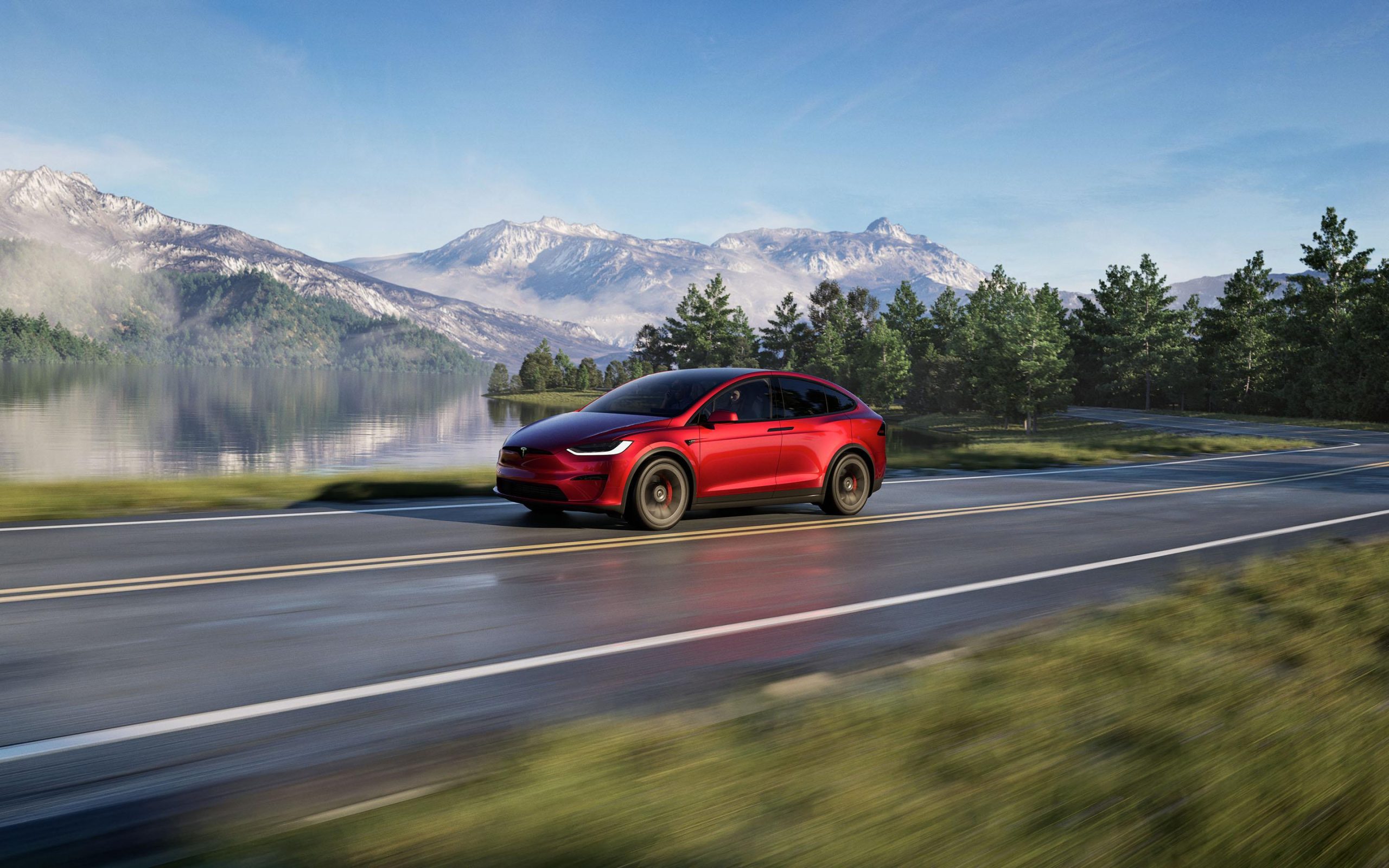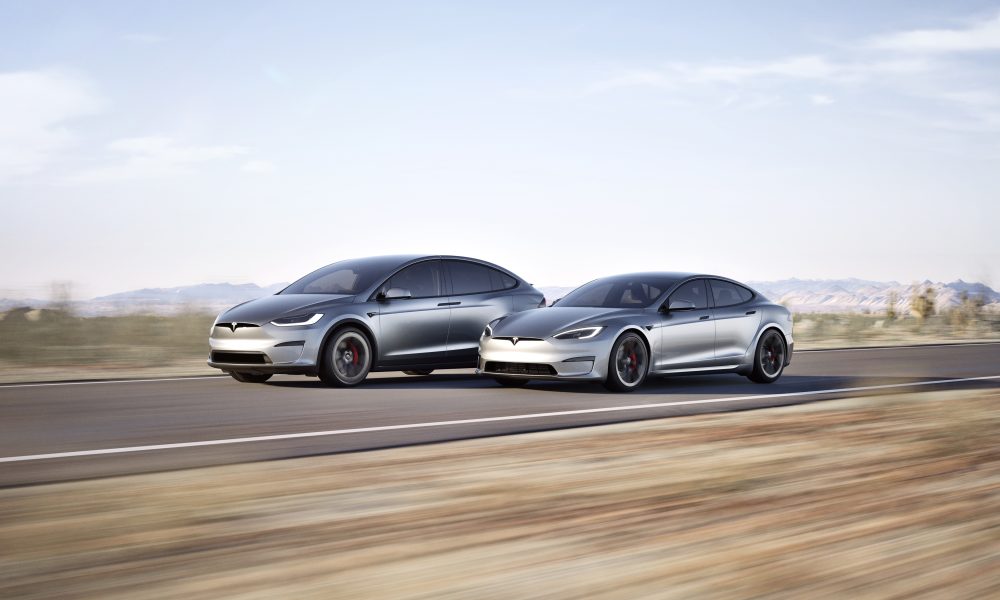
In a market where relentless price cuts have defined the electric vehicle landscape, Tesla has executed a starkly different maneuver with its flagship models. The company has quietly but dramatically increased the starting prices of the Model S and Model X by $10,000 overnight, a move that defies the conventional logic of cost-based pricing. This strategic pivot isn't about new hardware or inflation; it's a calculated play on exclusivity and legacy, leveraging the vehicles' iconic status to redefine their market position as production dwindles.
The Scarcity Playbook: From Mainstream to Limited Edition
Tesla's strategy hinges on a fundamental shift in production focus. With resources overwhelmingly channeled toward the high-volume Model 3 and Model Y, output of the older Model S and X has been intentionally scaled back. This creates immediate scarcity, transforming these vehicles from updated mainstays into limited-availability artifacts. The price hike, therefore, is not a reflection of increased bill-of-materials costs but a premium attached to rarity. By making these models harder to obtain, Tesla amplifies their desirability among a specific clientele for whom ownership signifies status within the EV pantheon.
Leveraging Sentiment Over Specification
The core of this pricing power lies in the intangible sentimental value of the Model S and X. The Model S, as the vehicle that proved electric cars could be desirable, and the Model X, with its iconic falcon-wing doors, carry immense historical weight for the brand. Tesla is effectively monetizing their legacy as pioneering icons. For buyers, the value proposition is shifting from pure feature-per-dollar comparison—where they might struggle against newer competitors—to one of owning a piece of automotive and technology history. This allows Tesla to maintain premium pricing and margin on lower-volume lines without significant new investment.
This move also serves to sharply differentiate the Model S and X from the rest of Tesla's lineup and the broader EV market. While competitors engage in a specs and price war, Tesla has created a unique, emotion-driven category for its founding models. It protects their aura and ensures they don't become overshadowed or directly compared with more affordable, high-tech newcomers. The strategy acknowledges that for the target buyer, the narrative of owning the original benchmark sedan or SUV is as compelling as any single performance statistic.
For Tesla owners and investors, the implications are multifaceted. Prospective buyers seeking the pinnacle of Tesla's legacy must now budget for a significantly higher entry point, which may consolidate ownership to more affluent enthusiasts. For investors, the move demonstrates pricing power and margin protection in niche segments, a valuable lever beyond volume-driven growth. It signals a maturing product strategy where different models serve distinct purposes: the Model 3 and Y for mass adoption and market share, and the Model S and X as high-margin brand ambassadors. This dual approach could prove crucial for sustaining profitability as the EV market evolves.