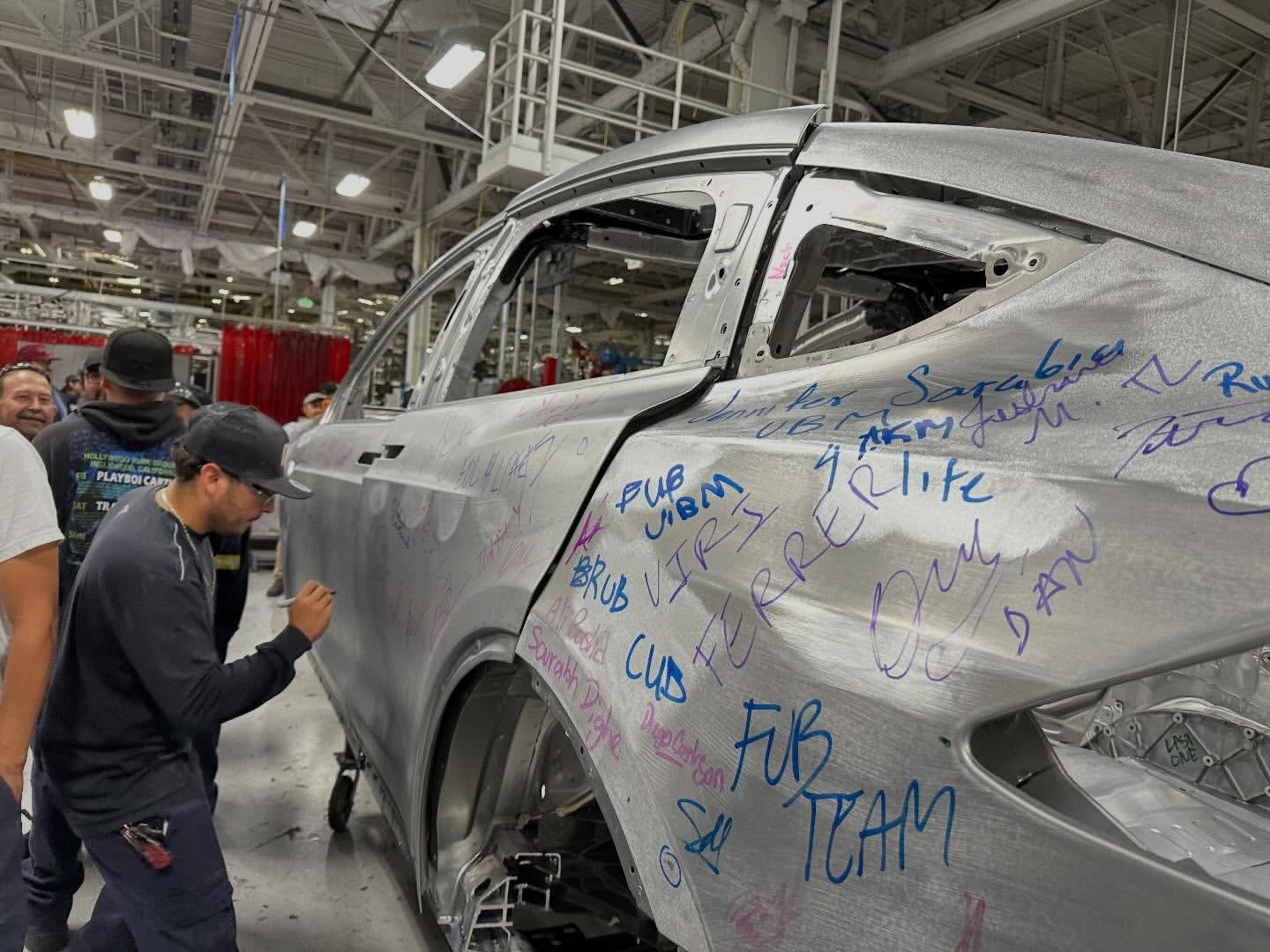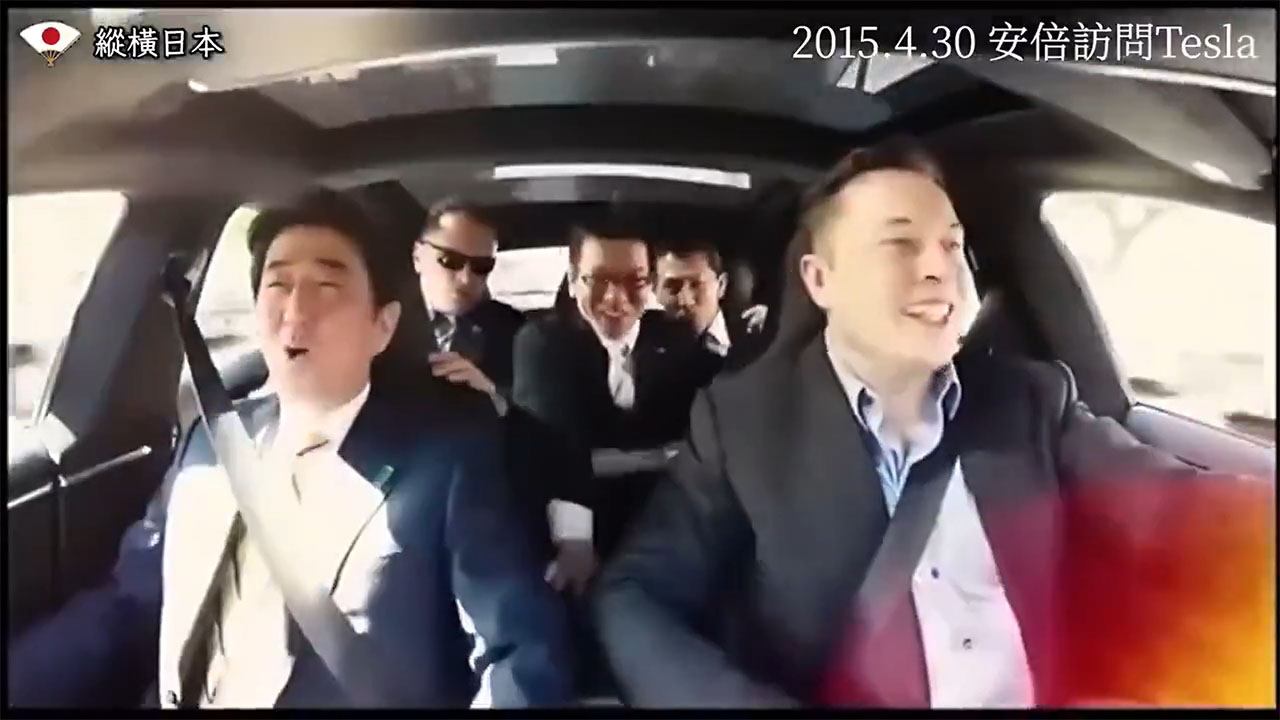
The curtain is officially falling on the vehicles that defined Tesla's ascent from niche startup to automotive powerhouse. Following the confirmed discontinuation of the Model S and Model X, the company has announced a private farewell ceremony to honor the legacy of its flagship EVs. This move marks the end of a foundational 14-year era for Tesla, one that CEO Elon Musk is poised to personally commemorate, signaling a profound strategic shift as the company pivots towards its next generation of platforms and higher-volume models.
The Pioneers That Forged an Empire
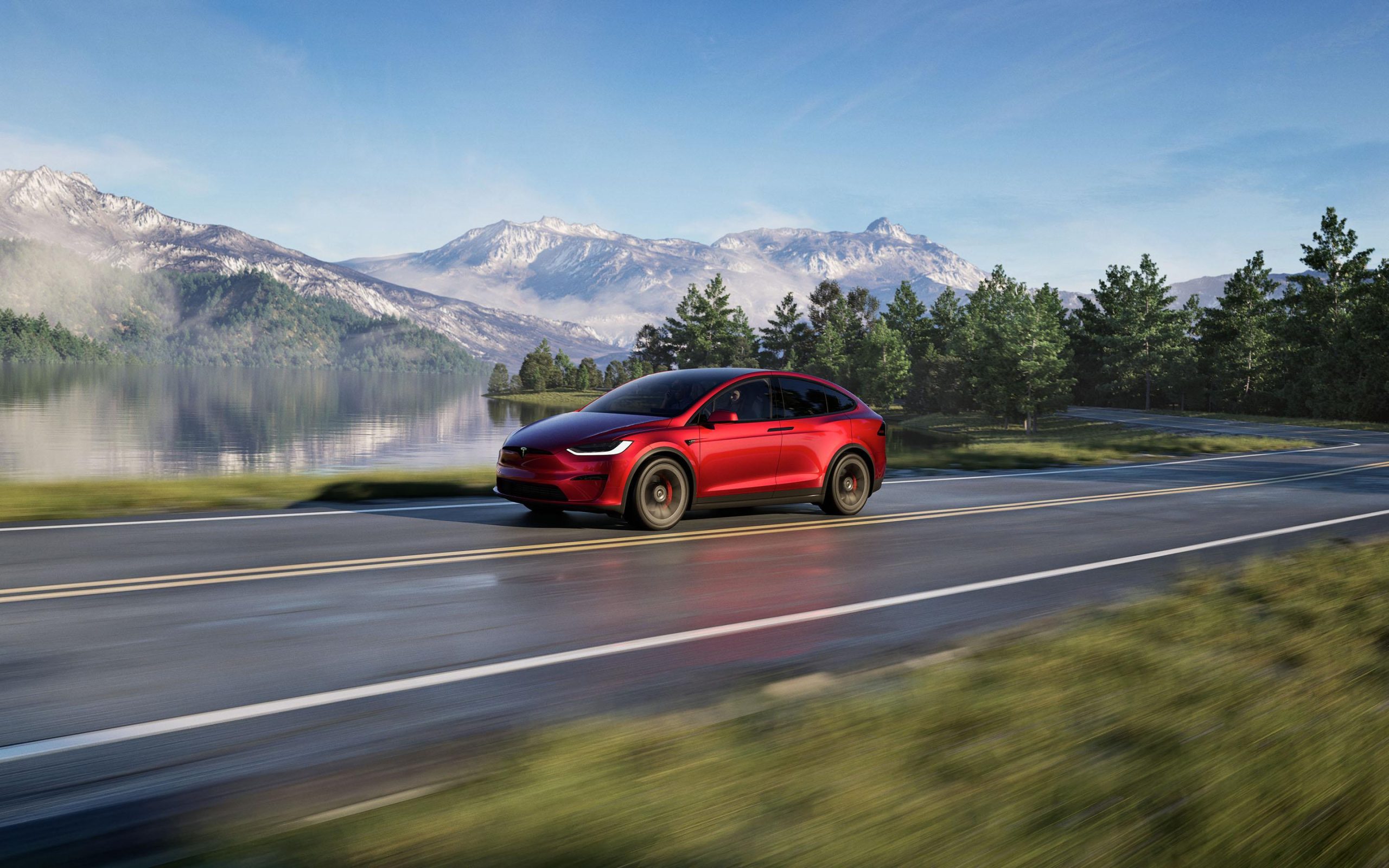
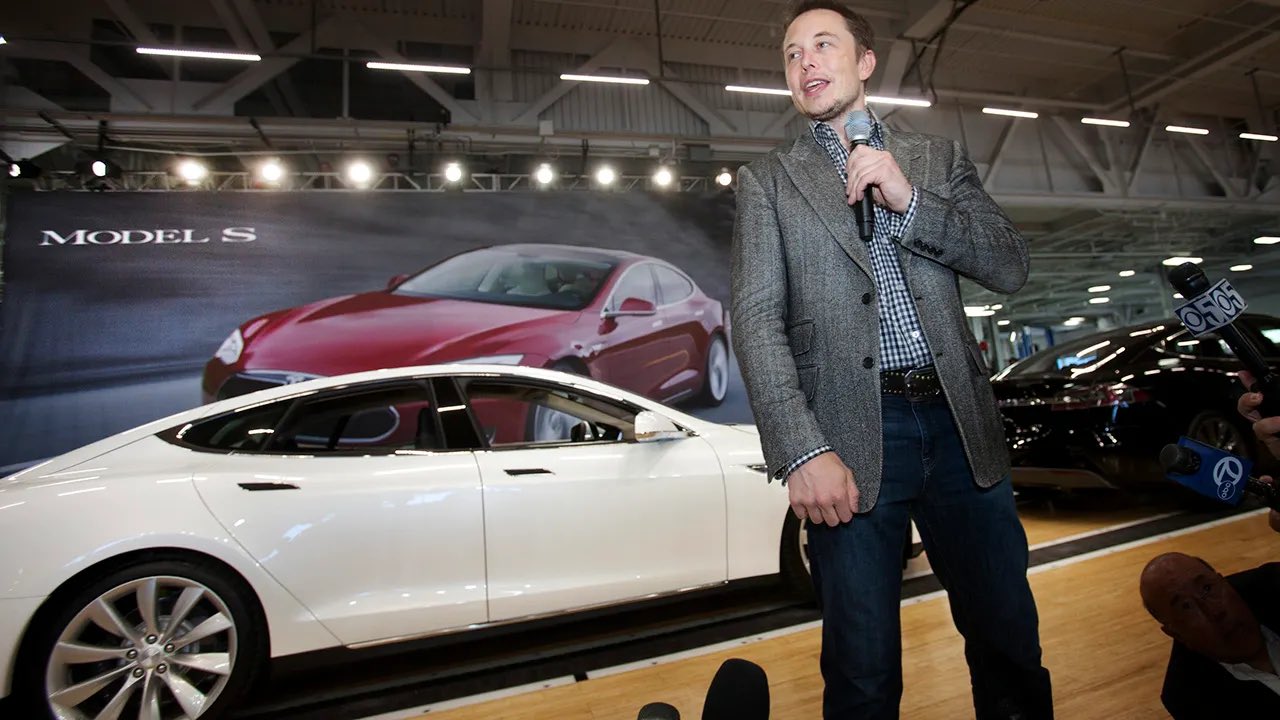
Launched in 2012, the Tesla Model S was not merely a car; it was a statement. As the company's first ground-up mass-production vehicle, it single-handedly redefined public perception of the electric vehicle. With its groundbreaking range, blistering acceleration via Ludicrous Mode, and the revolutionary central touchscreen, the Model S proved an EV could be desirable, high-performance, and practical. The 2015 introduction of the falcon-winged Model X doubled down on this ethos, bringing audacious design and segment-shattering technology to the SUV market. Together, these models built Tesla's premium brand halo, funded the development of the Model 3 and Y, and forced the entire global auto industry to accelerate its electrification plans.
A Strategic Pivot to the Future
The discontinuation is a coldly logical step in Tesla's evolution. While iconic, the Model S and X have seen declining sales volumes, overshadowed by their more affordable Model Y and Model 3 siblings. Their complex, legacy manufacturing processes contrast sharply with the simplified, cost-efficient "unboxed" assembly strategy central to Tesla's future. Ending production frees up engineering resources and advanced production lines at Fremont and other factories. This capacity is urgently needed for the upcoming "Robotaxi" platform and the anticipated lower-cost next-generation vehicle, projects Elon Musk has tied directly to Tesla's future valuation and mission of mainstream electrification.
For long-time Tesla owners and enthusiasts, the ceremony is a poignant moment. These vehicles cultivated a fiercely loyal community and set countless benchmarks. For investors, the move underscores a relentless focus on scalability and margin. The capital and operational intensity once dedicated to low-volume flagships will now be channeled into high-volume, higher-margin products and autonomous driving technology. The legacy of the Model S and X is permanently etched into Tesla's DNA, but its future is being built on a fundamentally different blueprint.