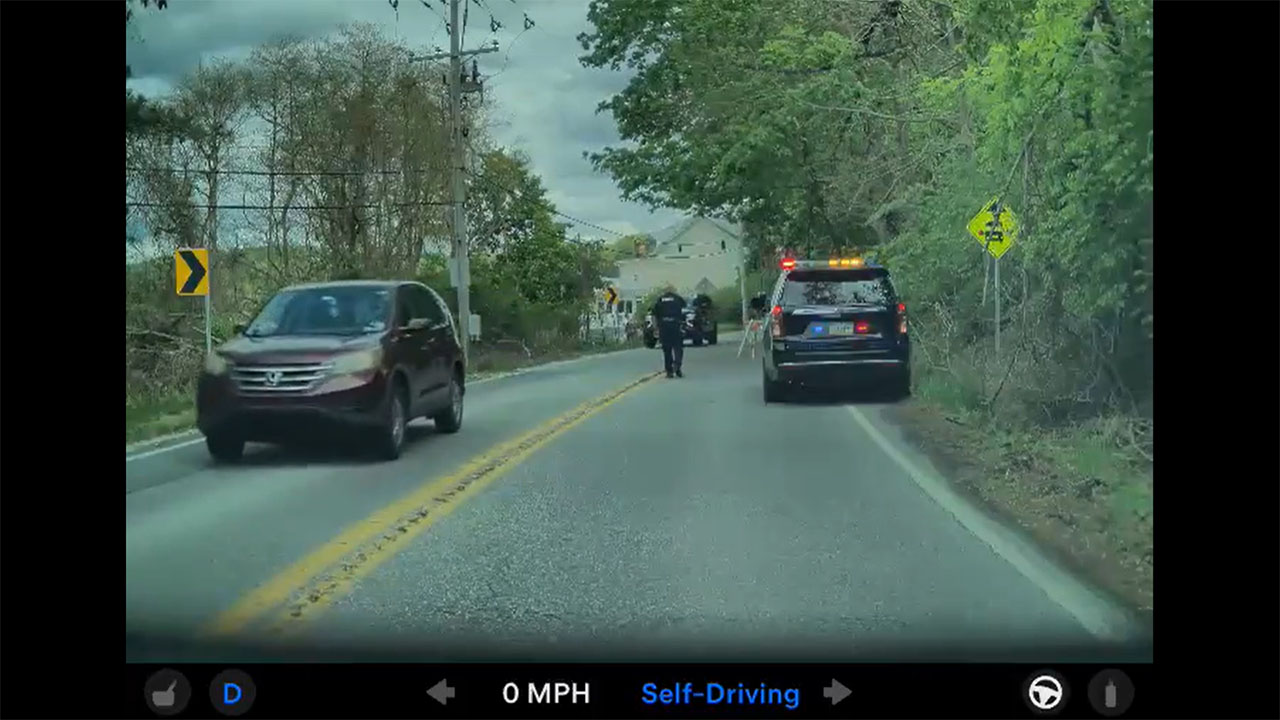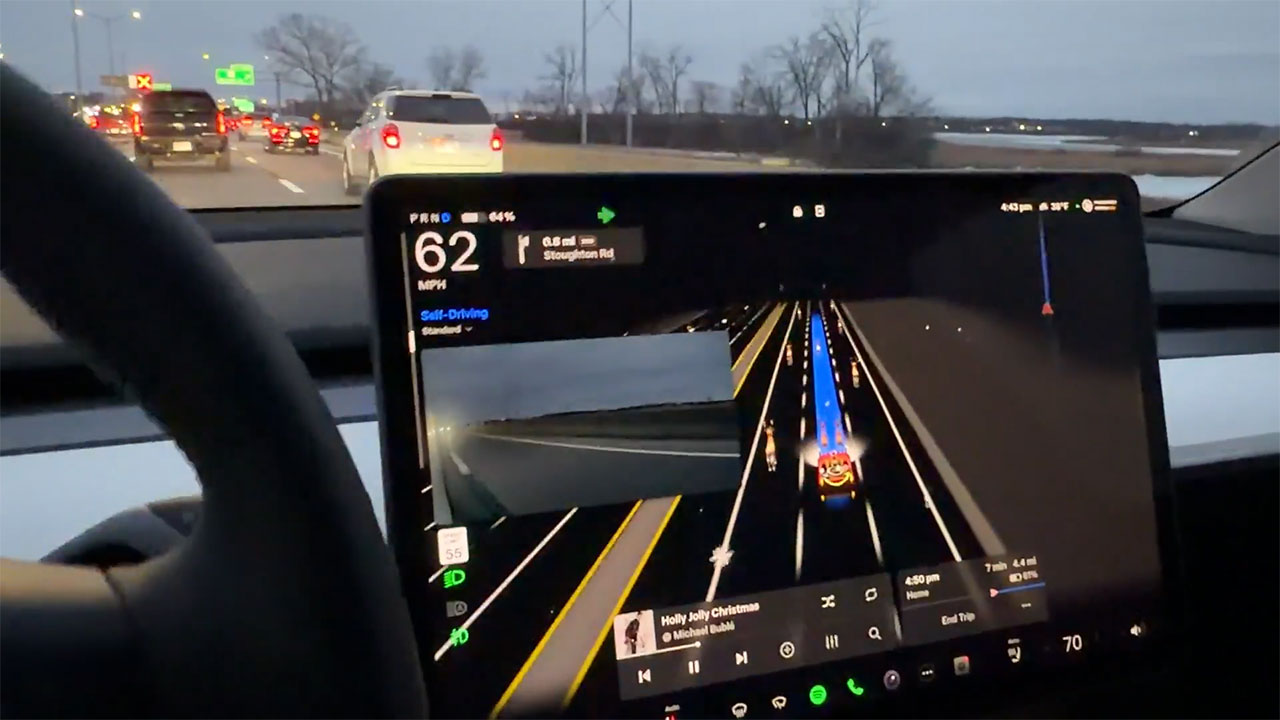
In a move that fundamentally reshapes how customers access its most advanced driver-assistance technology, Tesla CEO Elon Musk announced via X that the company will cease selling its Full Self-Driving (FSD) package as a one-time purchase. According to the announcement, the final day to buy FSD outright will be February 13th, after which the only path to the feature will be through a monthly subscription. This strategic pivot away from a capital-expense model to a recurring-revenue service marks a significant evolution in Tesla's approach to its flagship software product.
The End of an Era for Upfront FSD Purchases
For years, Tesla has offered FSD as a hefty one-time add-on, with its price fluctuating but often hovering around the $12,000 to $15,000 mark. This upfront cost has been a point of contention and a significant decision point for buyers of new and used Tesla vehicles. Musk's declaration sets a hard deadline, creating a potential short-term surge in purchases from customers seeking to lock in the capability permanently before the option vanishes. The shift underscores Tesla's view of FSD not merely as a vehicle feature, but as a continuously evolving artificial intelligence product that benefits from an ongoing service relationship with the user.
Driving Toward a Software-as-a-Service Future
By moving exclusively to a subscription model—currently priced at $199 per month for most owners—Tesla is aligning its FSD revenue with the predictable, recurring income streams prized by modern software companies. This model significantly lowers the barrier to entry, allowing a far broader segment of the Tesla owner base to experience the technology without a major financial commitment. It also future-proofs Tesla's income from the software, as improvements and major version updates (like the anticipated V12 update) will flow to all subscribers without the need for further negotiated purchases, creating a more seamless upgrade path.
The implications of this shift are profound for Tesla's business model. Recurring software revenue carries higher margins and greater long-term valuation potential than one-time sales, a fact not lost on TSLA investors. Furthermore, a larger subscriber base provides Tesla's AI team with exponentially more real-world driving data, which is the essential fuel for training and refining the autonomous system. This creates a powerful feedback loop: more subscribers lead to better FSD, which in turn attracts more subscribers.
For current and prospective Tesla owners, the calculus has changed. Those who have been considering FSD must now decide if a one-time payment before February 14th is preferable to an ongoing monthly fee. Owners who rarely take long trips may find the subscription's flexibility advantageous, using it only for specific periods. However, long-term owners who plan to keep their vehicle for many years may see the now-disappearing upfront cost as a better value, despite the large initial outlay.
This strategic pivot solidifies Tesla's identity as a tech company first and a car company second. For investors, the accelerated push toward a software-subscription ecosystem promises more stable revenue and could enhance the company's valuation multiples. For the electric vehicle market at large, it sets a clear precedent: the true value of a modern car lies not just in its hardware, but in the evolving, updatable software it runs on—and how you pay for it.