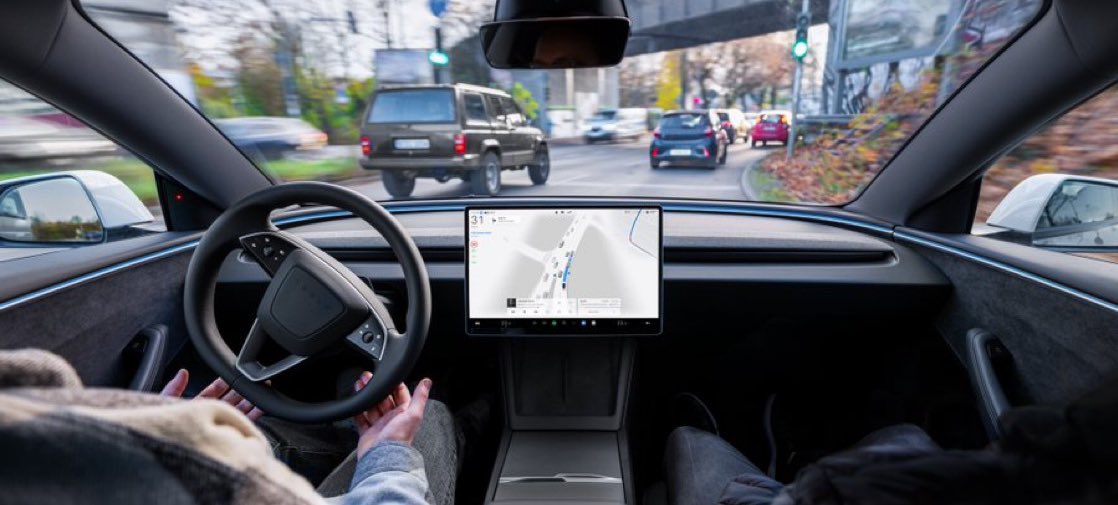
For years, Tesla's most advanced technology, Full Self-Driving (FSD), has been a geographically constrained promise. While its iterative development continues in North America, a regulatory and technological perfect storm is brewing that could see 2026 emerge as the pivotal year for its long-awaited debut in Europe and Asia. The breakthrough hinges not on a single software update, but on a complex alignment of international regulatory approval, critical hardware upgrades, and Tesla's own strategic readiness to tackle the world's most diverse driving environments.
The Regulatory Hurdle: UNECE and the Type Approval Pathway
The primary gatekeeper for FSD in Europe is the United Nations Economic Commission for Europe (UNECE). Its regulations, adopted by many European and Asian nations, have historically been a barrier to Tesla's vision-based, camera-centric autonomy. However, a significant shift is underway. The anticipated adoption of new UNECE rules, potentially by late 2025, would create a formalized pathway for the type approval of automated driving systems. This framework would allow Tesla to seek homologation for FSD as a certified vehicle system, rather than operating in a regulatory gray area. Parallel testing, like that conducted at Tesla's facility in the Netherlands, is crucial for gathering the region-specific data needed to satisfy these authorities.
Hardware 4: The Foundational Upgrade for Global Roads
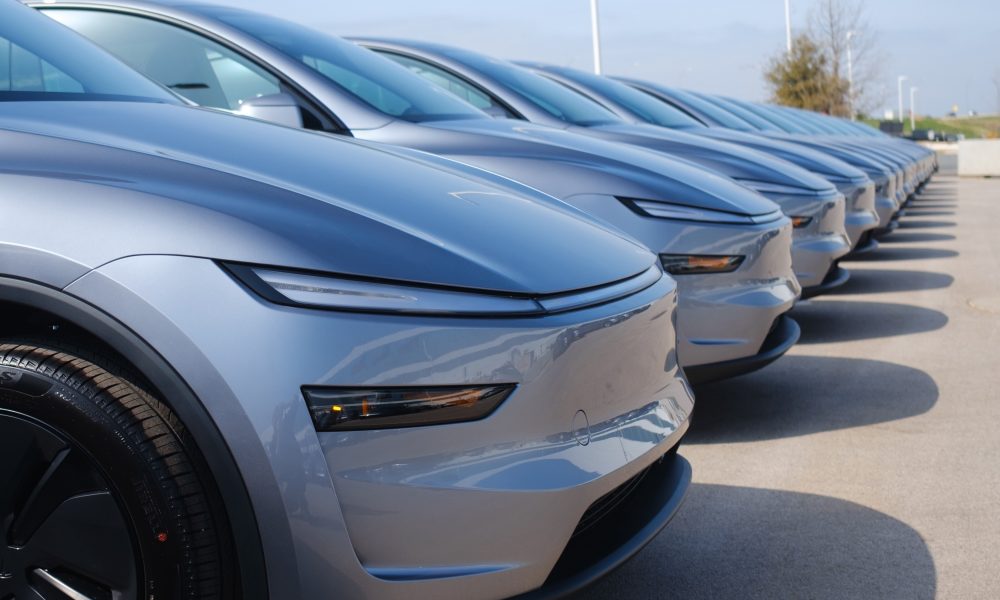
Regulation is only one piece of the puzzle. The successful deployment of FSD in complex European cities and chaotic Asian megacities requires a significant leap in sensor capability. This is where Hardware 4 (HW4), Tesla's latest suite of onboard computers and cameras, becomes non-negotiable. With higher-resolution cameras, improved processing power, and potentially radar integration, HW4 provides the necessary fidelity to interpret unfamiliar road signage, narrower lanes, and vastly different traffic behaviors. The rollout of HW4 across the global fleet, particularly in new Model 3, Model Y, and Cybertruck vehicles, is establishing the physical foundation required for a 2026 software unlock.
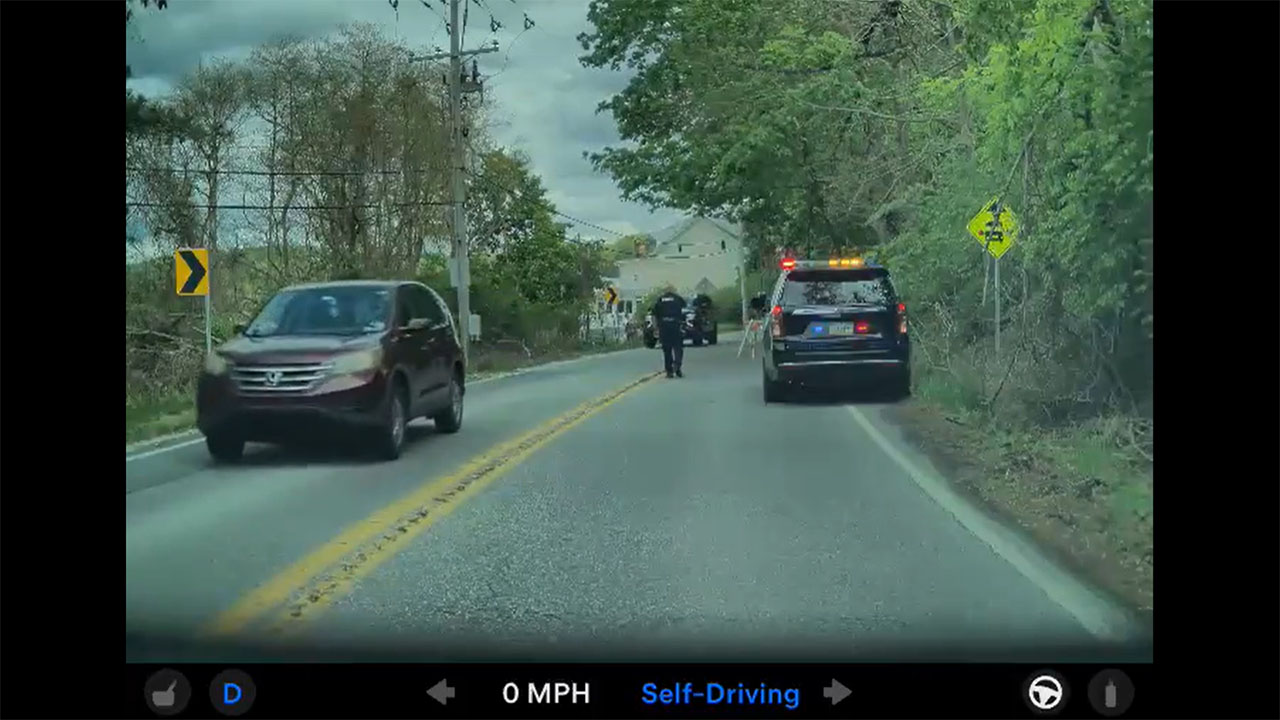
Beyond hardware and rules, Tesla's AI must undergo a profound evolution. The current FSD "brain," trained overwhelmingly on North American data, must learn the nuanced dialects of global driving. This includes mastering roundabouts with unique priority rules, navigating dense urban cores with vulnerable road users, and adapting to two-wheeled traffic flows common in Asia. Tesla's shadow-mode data collection from its existing international fleet is feeding this learning process, but the shift from a North American to a global neural network is a monumental software challenge that the next two years of development are poised to address.
Implications for Owners and the Market
For current and prospective Tesla owners in Europe and Asia, the 2026 timeline creates a clear decision matrix. Vehicles equipped with HW4 are fundamentally better positioned to receive and utilize advanced FSD features upon regulatory approval. This could accelerate depreciation for older HW3 vehicles in those markets and increase demand for new or upgraded models. For investors, a successful international FSD launch would unlock a massive new revenue stream from software sales and subscriptions, while dramatically strengthening Tesla's technological lead. However, any further regulatory delays or significant software setbacks could postpone this value inflection point, making Tesla's execution over the next 24 months critical to watch.