Tesla has laid bare Wall Street's tempered expectations for its immediate future. On Thursday, the automaker published its official, company-compiled consensus for first-quarter 2026 deliveries, revealing that analysts are forecasting 365,645 vehicles to be handed over to customers. This figure, aggregated from 23 sell-side analysts, underscores the monumental challenge Tesla faces in reigniting its growth engine after a prolonged period of stagnation and decline.
A Growth Figure That Masks Deeper Struggles
At first glance, the projected 8% increase from Q1 2025's deliveries of 336,681 vehicles might suggest a return to positive momentum. However, this comparison is widely viewed as misleading. The prior year's quarter was notably weak, making the year-over-year improvement less impressive. More critically, the consensus number signals that Tesla's volume is expected to remain essentially flat compared to its performance in early 2024 and even 2023, highlighting a prolonged plateau. The electric vehicle pioneer is no longer lapping its own record-breaking quarters but is instead grappling with saturated core markets, intense global competition, and a perceived lack of a major new volume driver in its lineup.
The Uphill Battle for Tesla's Next Act
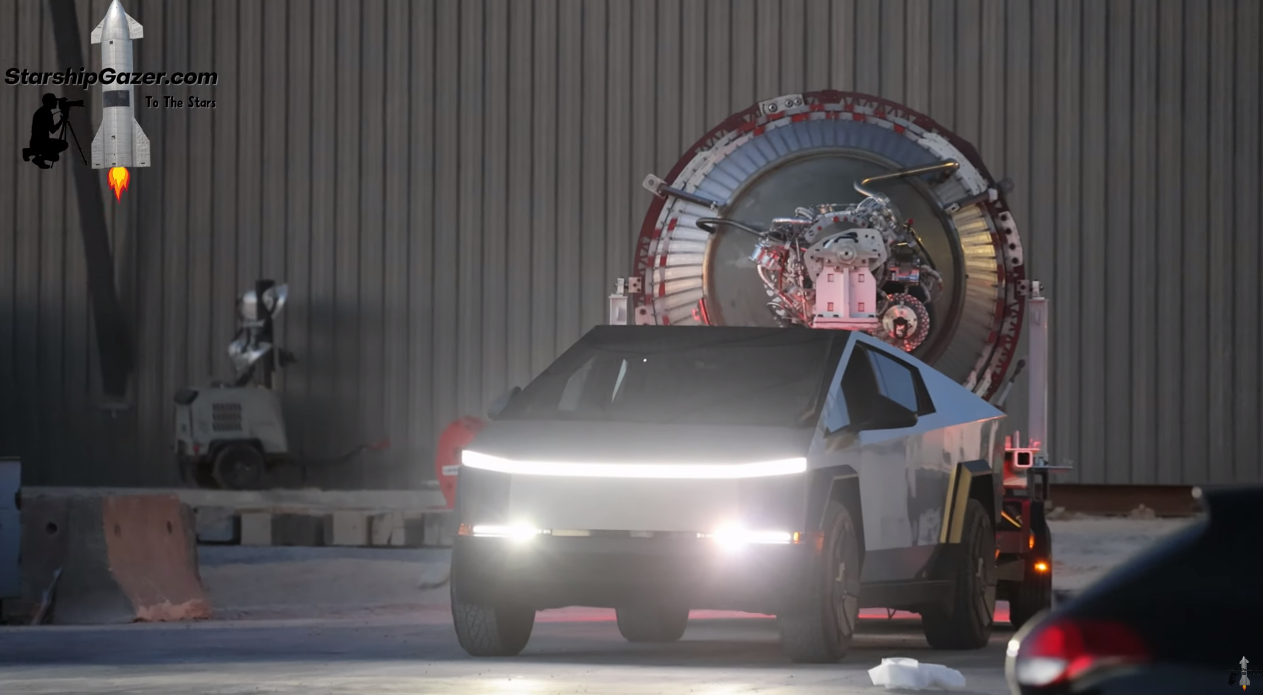
The consensus publication is a stark departure from the days when Tesla consistently shattered analyst estimates. It now serves as a clear benchmark that the company must exceed to positively surprise the market. The pressure is squarely on Tesla's operational execution and its ability to stimulate demand. All eyes are on the ramp of the Model 3 "Highland" refresh and the Cybertruck in key markets, as well as any updates on the promised "next-generation" affordable platform. Achieving even this consensus figure will require a significant logistical push and potentially more aggressive pricing or incentive strategies in a fiercely competitive EV landscape.
For Tesla investors, the Q1 2026 delivery consensus sets a critical threshold. Merely meeting the 365,645 target is unlikely to catalyze a sustained rally, as it would confirm the current narrative of stalled growth. A significant beat could restore some confidence in the company's near-term execution, while a miss would likely intensify concerns about demand and market share erosion. For owners and enthusiasts, these figures translate directly to the company's financial health, which funds the supercharger network expansion, software updates, and future vehicle development. The coming quarter is not just a delivery count; it's a referendum on Tesla's ability to navigate its most complex phase yet.