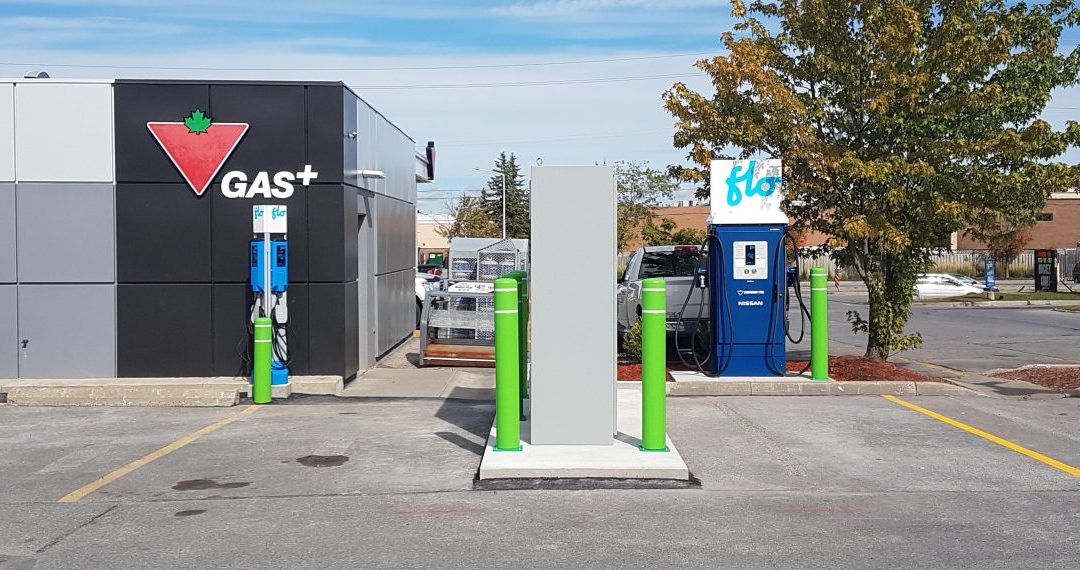
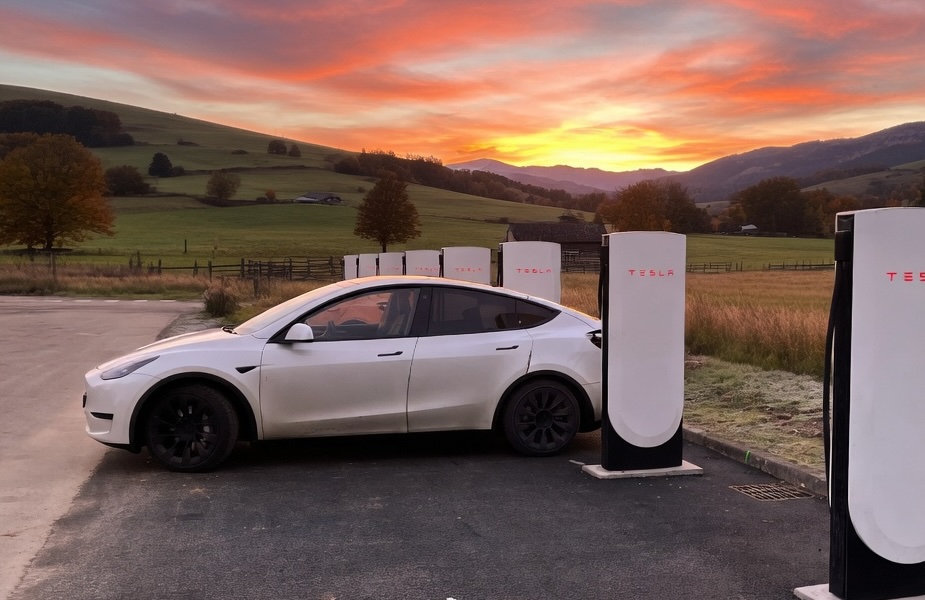
In a symbolic and strategic move, Tesla has officially opened a new Supercharger station in Gyeongju, South Korea, on the site of a decommissioned gas station. This marks the first conversion of its kind in Asia, transforming a landmark of the internal combustion era into a beacon for electric vehicle infrastructure. The project underscores Tesla's aggressive expansion in a critical market and serves as a powerful visual metaphor for the energy transition underway globally.
From Fuel Pumps to Fast Chargers
The new Gyeongju site features 12 V3 Supercharger stalls, capable of delivering peak charging rates to compatible vehicles. By repurposing an existing, well-located property with easy highway access and ample space, Tesla accelerates deployment while minimizing construction complexities. This practical approach solves a common real-estate challenge for charging networks, turning liabilities of the old energy economy into assets for the new one. The station's design retains the familiar canopy structure, now providing shelter for EVs instead of ICE vehicles.
Strategic Significance in the Korean Market
South Korea represents one of the world's most sophisticated and competitive EV markets, dominated by local giants like Hyundai and Kia. Tesla's direct investment in visible, high-capacity infrastructure is a key lever to bolster consumer confidence and market share. Converting a gas station is not just a logistical win; it's a powerful public relations statement aimed directly at potential converts to electric mobility. It visually assures drivers that the charging network is growing robustly and is as convenient as—if not more than—the refueling paradigm they are accustomed to.
This project aligns with Tesla's broader global strategy of adaptive reuse, seen previously with sites like a former restaurant in California. It demonstrates a scalable model for rapid infrastructure growth. The success of this first Asian conversion will likely pave the way for similar projects across the region, where dense urban environments make securing new, large plots of land particularly challenging and expensive.
Implications for Owners and the Energy Shift
For current and prospective Tesla owners in South Korea, this expansion directly translates to increased convenience and reduced range anxiety, particularly for long-distance travel to popular destinations like Gyeongju. For investors, it exemplifies Tesla's capital-efficient and market-savvy approach to building its competitive moat. The Supercharger network remains a primary differentiator, and its growth through innovative means like this conversion strengthens Tesla's overall ecosystem value. It signals a company that is not just selling cars, but proactively and cleverly reshaping the entire landscape of vehicle energy consumption.