In a dramatic reversal of fortunes, Tesla has surged past its chief rival to reclaim the crown of the world's top-selling battery electric vehicle (BEV) maker. After ceding the top spot to China's BYD in late 2023, Tesla's strategic focus on new models and refreshed production has paid off, with the company delivering more pure-electric vehicles than any other automaker in Q1 2026. This pivotal shift marks a significant moment in the global EV race, demonstrating Tesla's enduring capacity for reinvention and competitive response under intense market pressure.
A Comeback Forged by New Models and Ramped Production
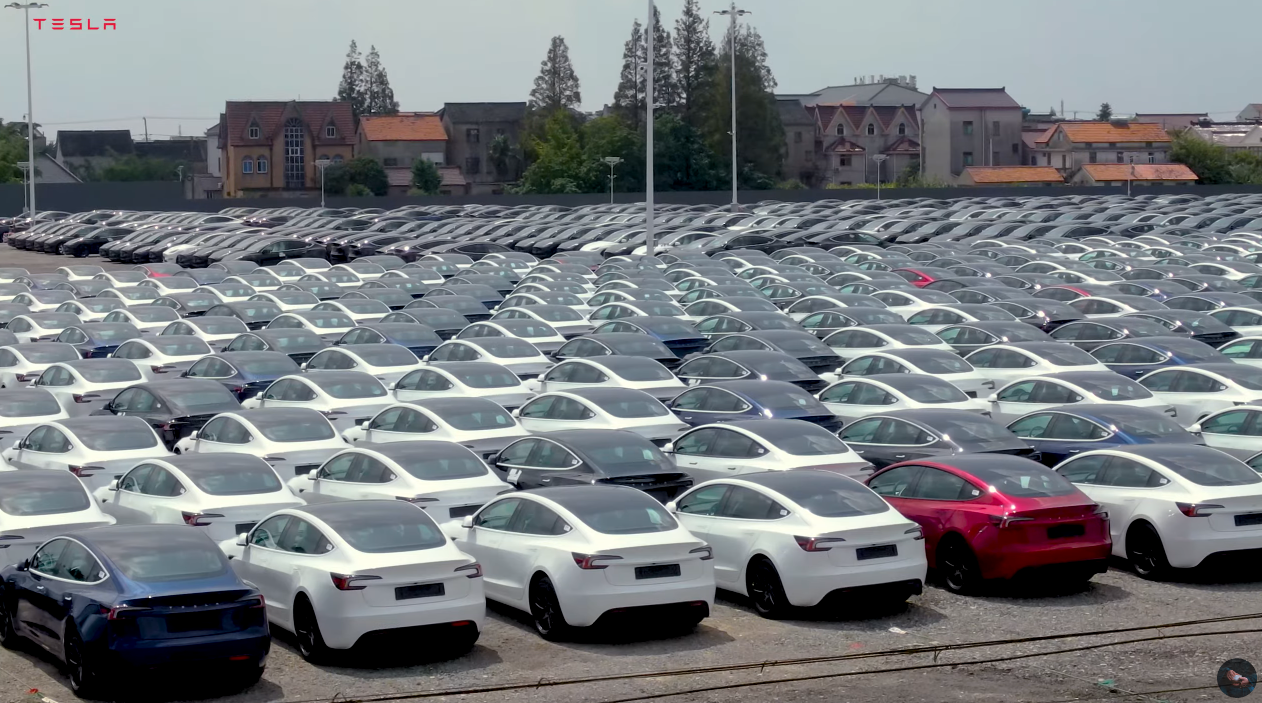
Tesla's return to the summit was not accidental but the result of a calculated product offensive. The long-awaited launch of the "Model 2" or next-generation compact vehicle has been a primary catalyst, finally bringing a more affordable Tesla to volume production and capturing a massive segment of the market. Concurrently, the refreshed Model Y and Model 3, featuring enhanced technology and manufacturing efficiencies, have maintained strong demand in key regions. Crucially, Tesla's ability to ramp production at its newest gigafactories to meet this refreshed lineup's demand has been the engine of its Q1 success, turning ambitious plans into tangible sales volume that outpaced the competition.
Analyzing BYD's Position and the Shifting Competitive Landscape
BYD's slip to second place highlights the ferocious and dynamic nature of the global EV sector. While BYD remains a powerhouse with a deep portfolio spanning both BEVs and plug-in hybrids, its growth in the pure-electric segment appears to have plateaued slightly as Tesla's new product wave hit. The Chinese automaker faces intensifying competition not just from Tesla, but from a host of domestic rivals in its home market. This development underscores that market leadership is no longer a static title but a constantly contested position, vulnerable to the next major product cycle or technological leap from any serious contender.
The broader implication is a market that is maturing and segmenting. Tesla's victory in Q1 2026 is specifically in the battery electric vehicle (BEV) category, which remains the core metric for many analysts tracking the transition away from fossil fuels. The competition is now multifaceted, with companies vying for leadership in luxury, affordability, technology, and regional dominance, making quarterly sales crowns a symbolic as well as a strategic milestone.
What This Means for Tesla Owners and Investors
For Tesla owners, the sales victory validates the company's long-term viability and its ability to fund continued innovation in charging infrastructure, software updates, and service networks. It suggests that Tesla's ecosystem will only grow stronger. For investors, the Q1 result is a potent signal of Tesla's cyclical resilience and execution capability. It demonstrates that the company can navigate beyond the "natural plateaus" of its older model lineup and reignite growth with new products, potentially easing concerns over demand saturation. However, the pressure is now on to sustain this momentum throughout 2026, as BYD and other rivals will undoubtedly respond with their own new vehicles and strategies.
Ultimately, Tesla's recapturing of the global BEV sales lead is a story of corporate execution meeting a pivotal product moment. It reaffirms that in the high-stakes EV arena, innovation and scale remain the most powerful levers for success. The race is far from over, but for the first quarter of 2026, Tesla has proven it still holds the inside track.