In a move signaling a significant ramp-up of its in-house silicon ambitions, Tesla is reportedly in discussions to dramatically expand its production agreement with Samsung for next-generation AI chips. According to a new report, the automaker is seeking to secure a vastly larger share of advanced semiconductor manufacturing capacity, a critical step for the scaling of its Full Self-Driving (FSD) and artificial intelligence ecosystems. This potential deal underscores a strategic pivot from Tesla: the race for autonomy is increasingly being won or lost at the silicon level.
The Numbers Behind the Expansion Push
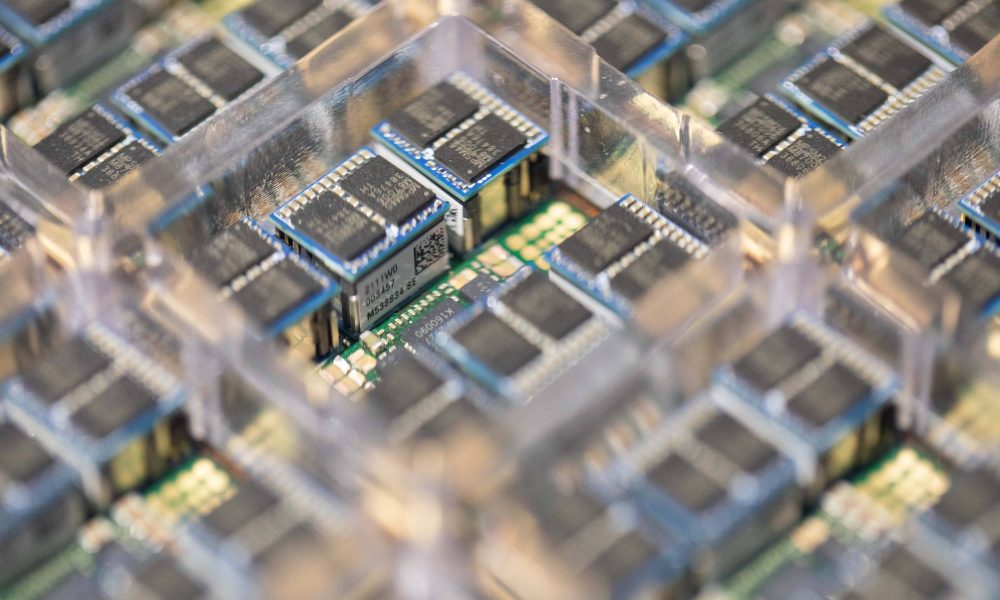
The core of the report centers on a substantial increase in production volume. Tesla has allegedly requested an additional 24,000 wafers per month from Samsung's foundries. If finalized, this would bring Tesla's total dedicated production capacity for its AI 6 chip to approximately 40,000 wafers monthly. This chip, part of Tesla's proprietary Dojo supercomputer project and likely destined for future Hardware 5 (HW5) iterations in its vehicles, represents the physical engine required to process the immense datasets collected from its global fleet. Securing this volume is a direct investment in processing power for AI training and inference.
Strategic Implications for Tesla's Vertical Integration
This expansion is far more than a simple parts procurement exercise. It is a bold statement on vertical integration. By designing its own silicon (FSD Computer, D1 chip) and now aggressively locking in high-volume, advanced production, Tesla aims to control its destiny in two key areas: performance and supply chain security. Owning the chip architecture allows for unparalleled optimization of hardware and software, a synergy competitors using off-the-shelf components cannot match. Furthermore, in an era still marked by semiconductor shortages, securing a dedicated, large-scale production line mitigates a major bottleneck for its most ambitious software-driven features.
The push for more Samsung AI6 wafers also highlights the escalating computational arms race in the EV industry. As autonomous driving systems evolve from assisted driving to true neural network-based navigation, the demand for teraflops of processing power grows exponentially. Tesla's need for vast amounts of silicon real estate reflects its bet that the complexity of real-world AI will continue to outpace Moore's Law, requiring brute-force computational scale. This production capacity is the fuel for its "real-world AI" and robotaxi ambitions.
What This Means for Tesla Owners and Investors
For owners, a successful expansion of this chip production is a long-term bullish signal for the capabilities of their vehicles. It directly supports the continuous improvement of FSD and paves the way for more advanced hardware that could enable higher levels of autonomy. It reinforces the potential for significant software-based value appreciation in Tesla cars over time. For investors, this report underscores the company's massive capital and strategic focus on AI infrastructure. It transforms Tesla's narrative beyond automotive manufacturing, positioning it as a vertically integrated AI and robotics company with a insatiable, self-created demand for some of the world's most advanced semiconductors.
The finalization of this reported deal would represent a formidable moat for Tesla. It ties the company's future not just to battery technology or vehicle design, but to the very core of computational progress, ensuring it has the dedicated hardware firepower to stay ahead in the autonomy race for years to come.