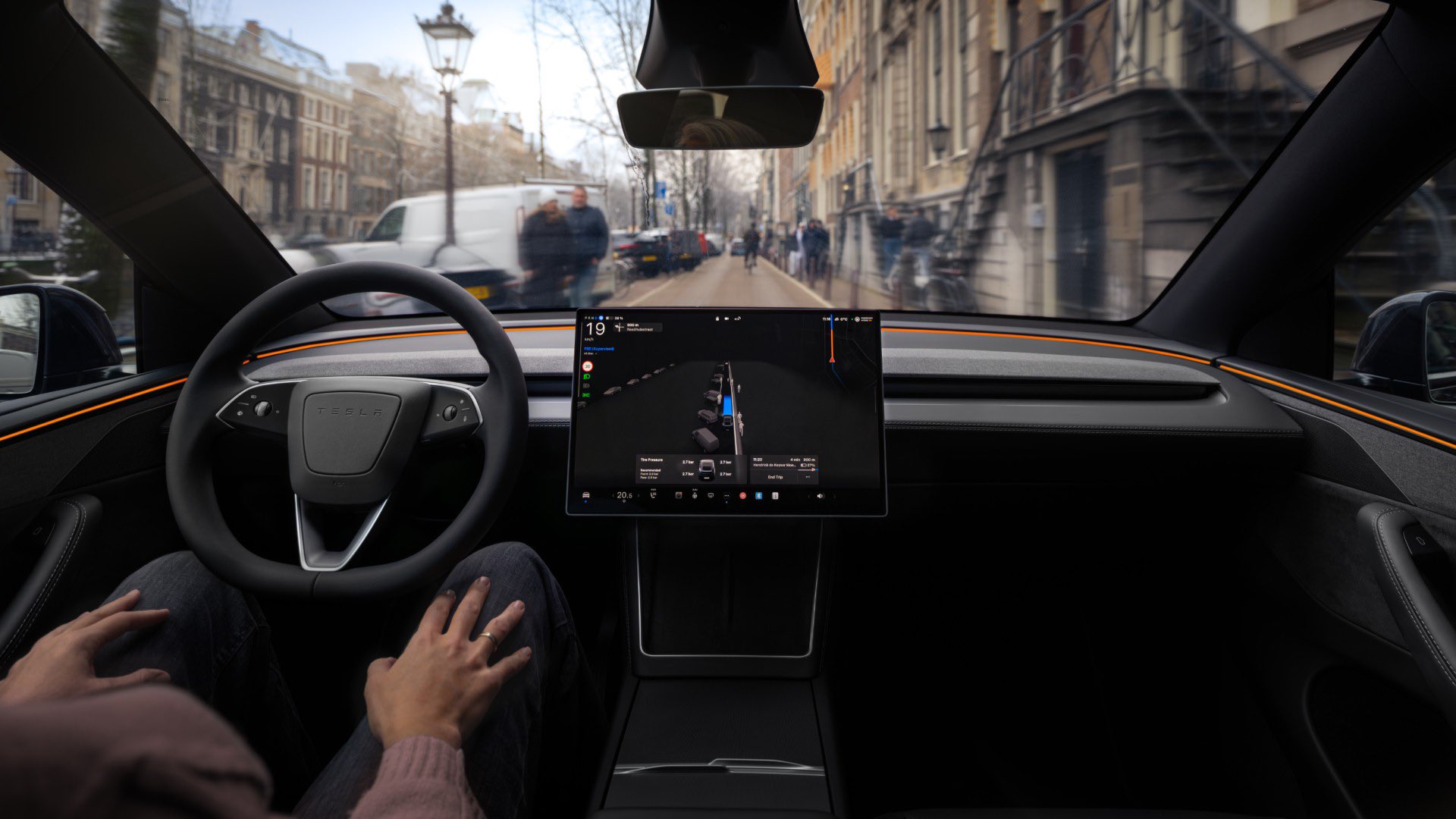
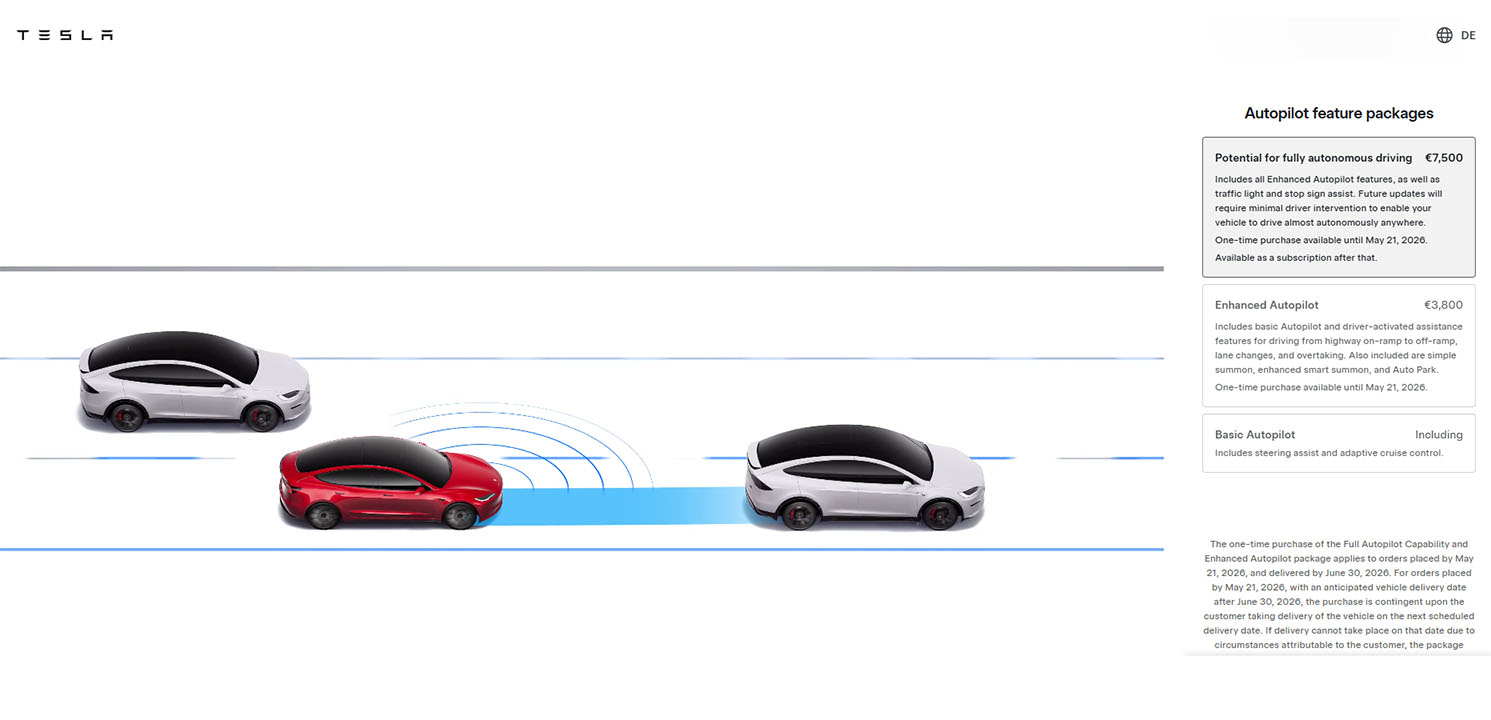
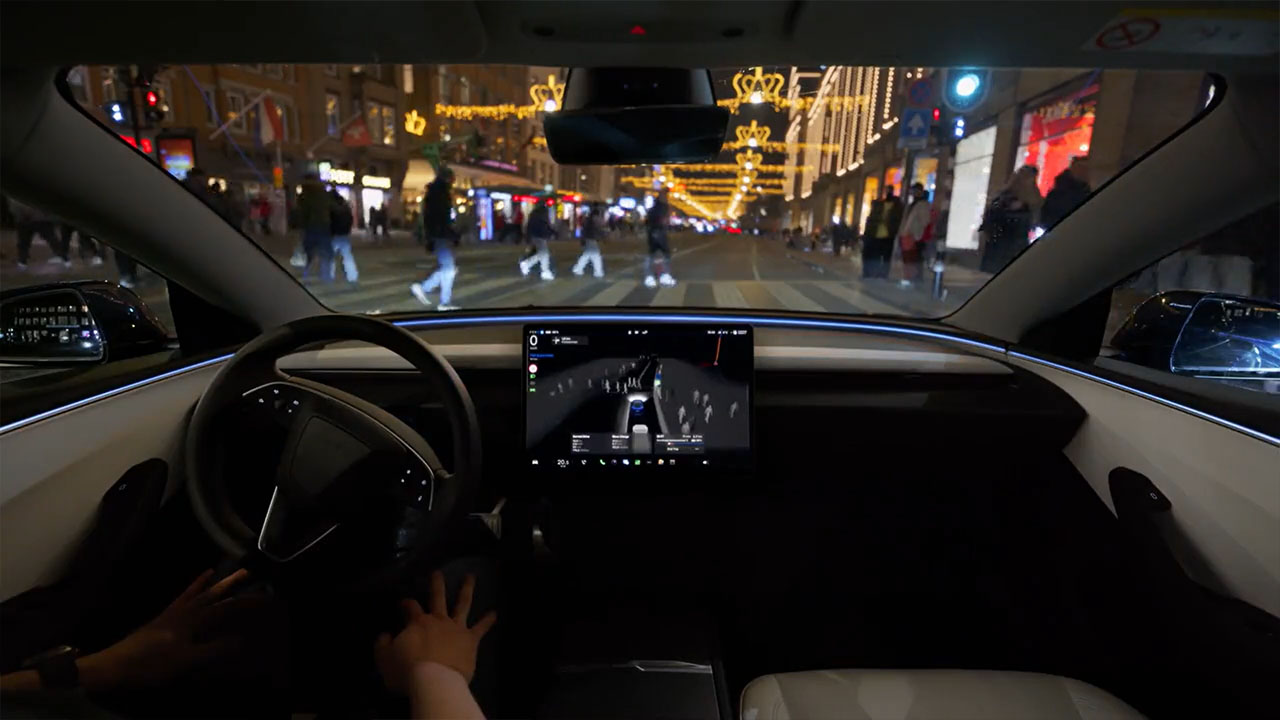
A seven-year wait for a promised product would test the patience of any customer. For a Dutch Tesla owner who paid €6,400 in 2019 for the "Full Self-Driving" (FSD) package, that test reached its limit. Upon calling Tesla to inquire about the status of the long-awaited capability on his Hardware 3 (HW3) vehicle, he was reportedly told to "just be patient." This response, emerging from a customer at the forefront of a collective legal claim against the automaker, is more than a poor service interaction; it is a stark symbol of the growing chasm between Tesla's ambitious software timelines and the reality experienced by its earliest FSD adopters.
The Heart of the Dispute: HW3 and Unfulfilled Promises
The core issue centers on Tesla's Hardware 3 computer, introduced in 2019 as the necessary foundation for future full self-driving capabilities. Owners who purchased the expensive FSD package were assured the hardware would enable the feature via over-the-air updates. However, as Tesla's AI development evolved, the focus shifted to its next-generation Hardware 4 system, leaving a question mark over the ultimate capability of HW3. While HW3 cars have received significant FSD software updates, the fully autonomous "Robotaxi" functionality originally suggested remains unrealized. For the Dutch claimant and many others, this represents a broken contract, transforming a €6,400 pre-purchase into a perpetual subscription to beta software.
Legal Reckoning Builds in Europe
The "be patient" admonition is not just a public relations misstep; it is potential fuel for litigation. The caller is a key figure in a collective claim against Tesla in the Netherlands, seeking compensation for what plaintiffs argue is a misleading sale. This case is part of a broader wave of legal and regulatory scrutiny Tesla faces in Europe regarding its driver-assistance claims. Authorities are increasingly sensitive to the naming and marketing of systems like FSD, which despite its name, requires constant driver supervision. The dismissive response from Tesla directly undermines its defense of good-faith effort and could strengthen arguments that the company is indefinitely deferring its core obligation to early customers.
From a strategic perspective, Tesla's position is fraught with complexity. The company is in a race to refine its AI and scale its more advanced Hardware 4, while managing the expectations of its massive installed base of HW3 vehicles. Publicly backtracking on HW3's potential is not an option, as it would invite immediate legal liability. Yet, the continuous delay of a definitive "Level 4" or "Level 5" autonomous solution for these cars creates a permanent point of contention. The situation is a case study in the risks of selling software futures in the fast-moving, unpredictable world of artificial intelligence and automotive regulation.
For Tesla owners and investors, the implications are clear. Owners of HW3 vehicles with FSD should temper expectations for truly driverless capabilities and view the package as an advanced driver-assist suite. The legal battles in Europe could set a precedent, potentially leading to costly settlements or mandated refunds that would impact Tesla's financials. For investors, these disputes highlight the regulatory and reputational risks embedded in Tesla's software-first sales strategy. As the company pushes the boundaries of technology, its greatest challenge may not be engineering, but managing the promises made along the way.