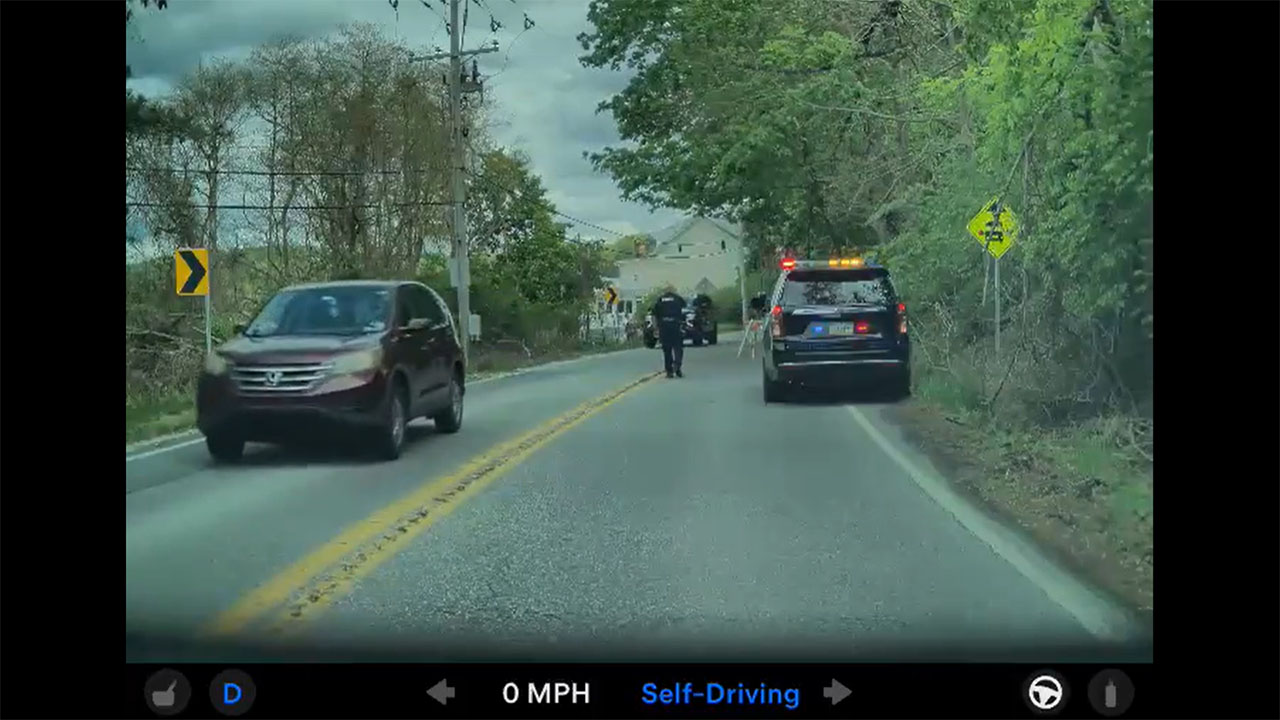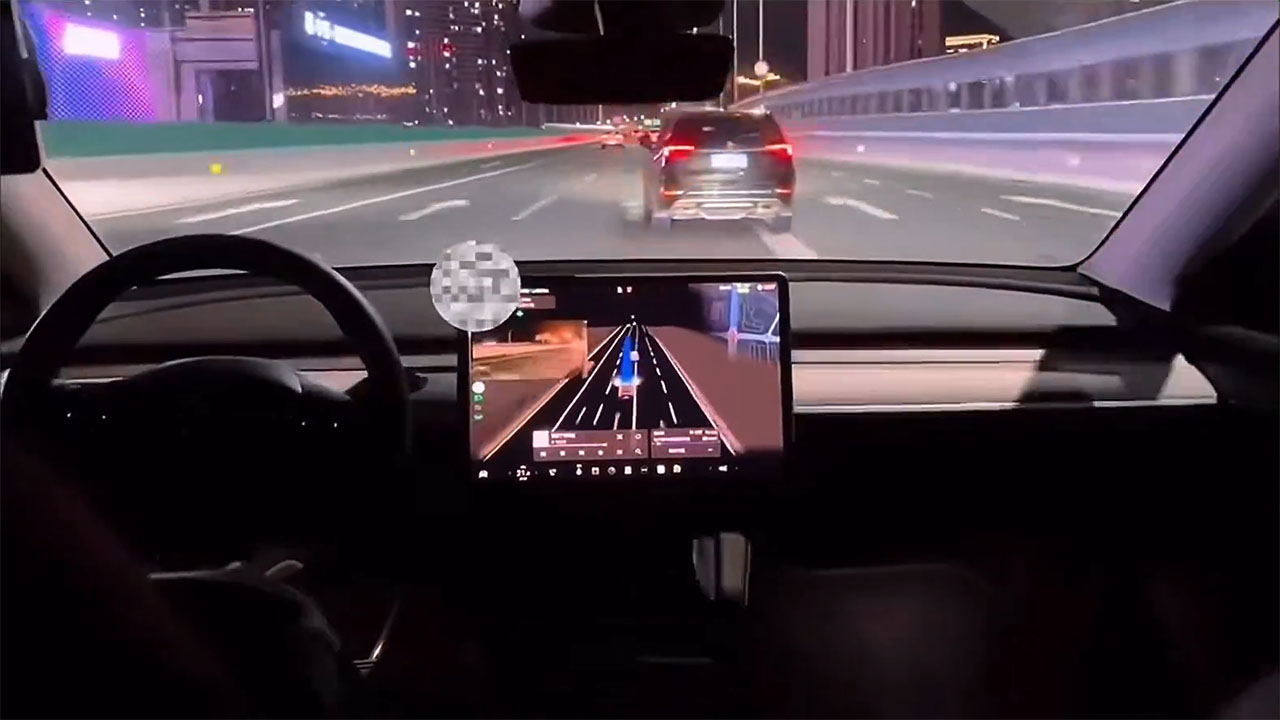
After months of anticipation and iterative beta testing, Tesla has officially rolled out its most advanced driver-assistance software to date. The release of Full Self-Driving (FSD) Supervised v14.3 marks a significant milestone, not just for its under-the-hood improvements, but for a philosophical shift in how the system behaves. Early adopters and analysts are reporting a notably more conservative and "human-like" driving profile, a deliberate move away from the aggressive maneuvers that characterized earlier versions.
A Shift from "Mad Max" to Measured Confidence
The "Mad Max" moniker, coined by the Tesla community, described FSD's previous tendency for assertive lane changes, sharp accelerations, and a general eagerness to seize any gap in traffic. While impressive in its decisiveness, this style could be unnerving for passengers. FSD v14.3 directly addresses this feedback. The update introduces refined control algorithms that prioritize smoothness and predictability. Videos from early testers show the system now exhibits more patience, waiting for larger, safer gaps before changing lanes and using gentler steering inputs. This taming of the "Mad Max" ethos represents Tesla's focus on building rider comfort and public trust alongside raw capability.
Under the Hood: The AI Team's Targeted Refinements
According to Tesla's official release notes, the v14.3 update is not a single change but a suite of targeted enhancements. The Tesla AI team has deployed improvements across perception, planning, and control modules. Key areas include more accurate object detection at intersections, better prediction of other road users' intent, and smoother trajectory planning on complex urban roads. This results in fewer "phantom brakes" and more confident navigation through construction zones and unprotected left turns. The cumulative effect is a system that feels less like a beta experiment and more like a competent, cautious co-pilot.
The update's arrival on Tuesday, April 7th, ended a prolonged wait that had even led prominent Tesla-focused YouTubers to pause their coverage of the previous v14.2, citing repetitive performance. This highlights the significance Tesla places on each incremental version; the company withheld a broad release until it achieved a substantial leap in performance and reliability. The deployment strategy suggests a new phase where refinement and polish are as critical as introducing flashy new features.
Implications for Owners and the Road Ahead
For current Tesla owners with FSD capability, v14.3 delivers a tangibly improved daily experience. The reduction in aggressive driving habits means less need for driver intervention and a more relaxing supervised drive. This increased polish is crucial for Tesla's broader ambition of achieving regulatory approval for unsupervised operation. For investors, this iterative progress demonstrates the viability of Tesla's vision-based, AI-driven approach. Each software update enhances the value of the existing fleet, moving closer to the promise of a scalable robotaxi network. As the system becomes more graceful and predictable, the path to wider adoption and, ultimately, full autonomy becomes clearer.