In a significant legal setback for Tesla, a Swedish court has ruled in favor of a union blockade, effectively keeping a completed Tesla Supercharger station offline. This decision intensifies the high-stakes labor conflict that has now frozen a critical piece of EV infrastructure for nearly two years, spotlighting the formidable challenges Tesla faces as it resists collective bargaining norms in Scandinavia.
A Legal Blow and a Stalled Supercharger
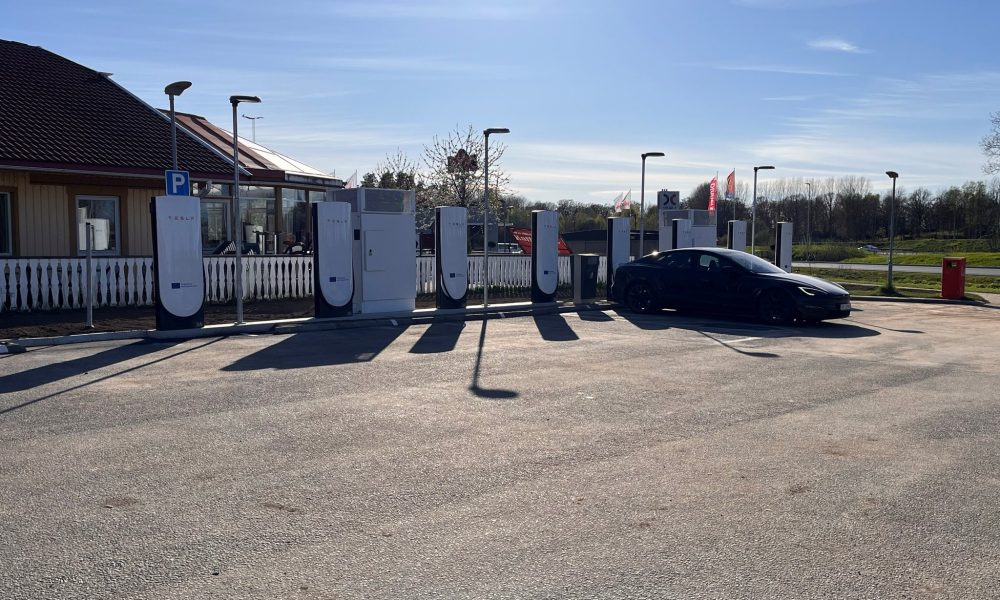
The Swedish Labour Court rejected Tesla's appeal to lift a blockade by the IF Metall union, which has prevented electricians from connecting the finished Supercharger station in the municipality of Upplands Väsby to the power grid. This site, fully constructed but dormant, has become a physical symbol of the protracted dispute. The court's backing of the union's "sympathy action" underscores the deep-rooted support for Sweden's model of collective agreements, presenting a formidable institutional barrier to Tesla's preferred direct negotiation approach with employees.
The Core of the Swedish Standoff
At the heart of the conflict is Tesla's firm opposition to signing a collective bargaining agreement with IF Metall, which represents the company's Swedish mechanics. While Tesla offers competitive wages and benefits, the union demands the established industry agreement that sets broader standards for wages and working conditions. The blockade of the Supercharger station is just one tactic in a wider campaign of pressure that has included port blockades, postal service disruptions, and solidarity strikes from other key industries, all leveraging Sweden's unique labor laws to compel Tesla to the negotiating table.
The implications of this stalemate extend beyond a single charging station. It signals to Tesla and other multinational corporations that navigating the Nordic labor landscape requires engagement with a different set of rules. The Swedish model, built on cooperation between employers and unions, is being robustly defended. This legal defeat for Tesla suggests that purely technical or legal challenges to union actions are unlikely to succeed, pushing the company closer to a critical decision: adapt to the local framework or accept long-term operational friction in a key European market.
For Tesla owners and investors, the ongoing conflict presents tangible and strategic concerns. The offline Supercharger represents a direct, albeit localized, degradation of the charging network's reliability and growth in Sweden, potentially affecting driver convenience and Tesla's service reputation. More broadly, the dispute highlights a persistent execution risk in Tesla's European expansion, where cultural and regulatory environments differ sharply from its home base. The company's ability to manage these complex stakeholder relationships will be crucial for its growth trajectory and brand perception in the region, making this a situation worth monitoring closely as it continues to unfold.