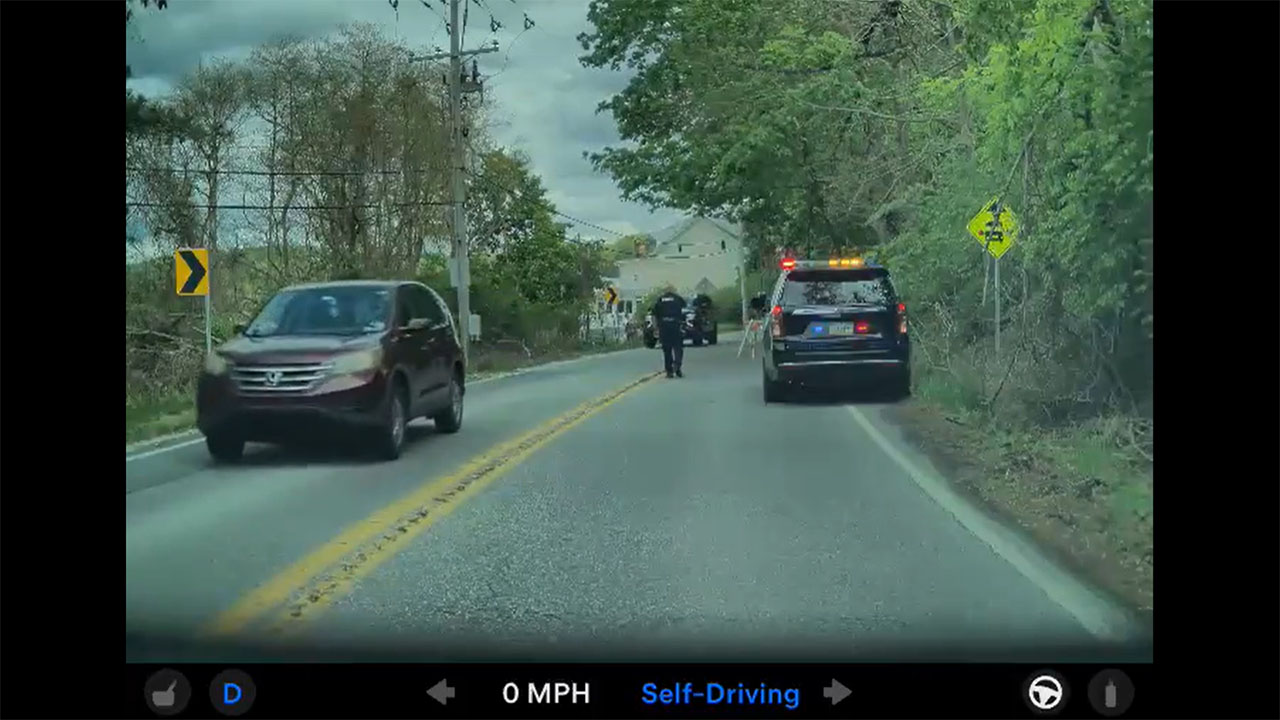
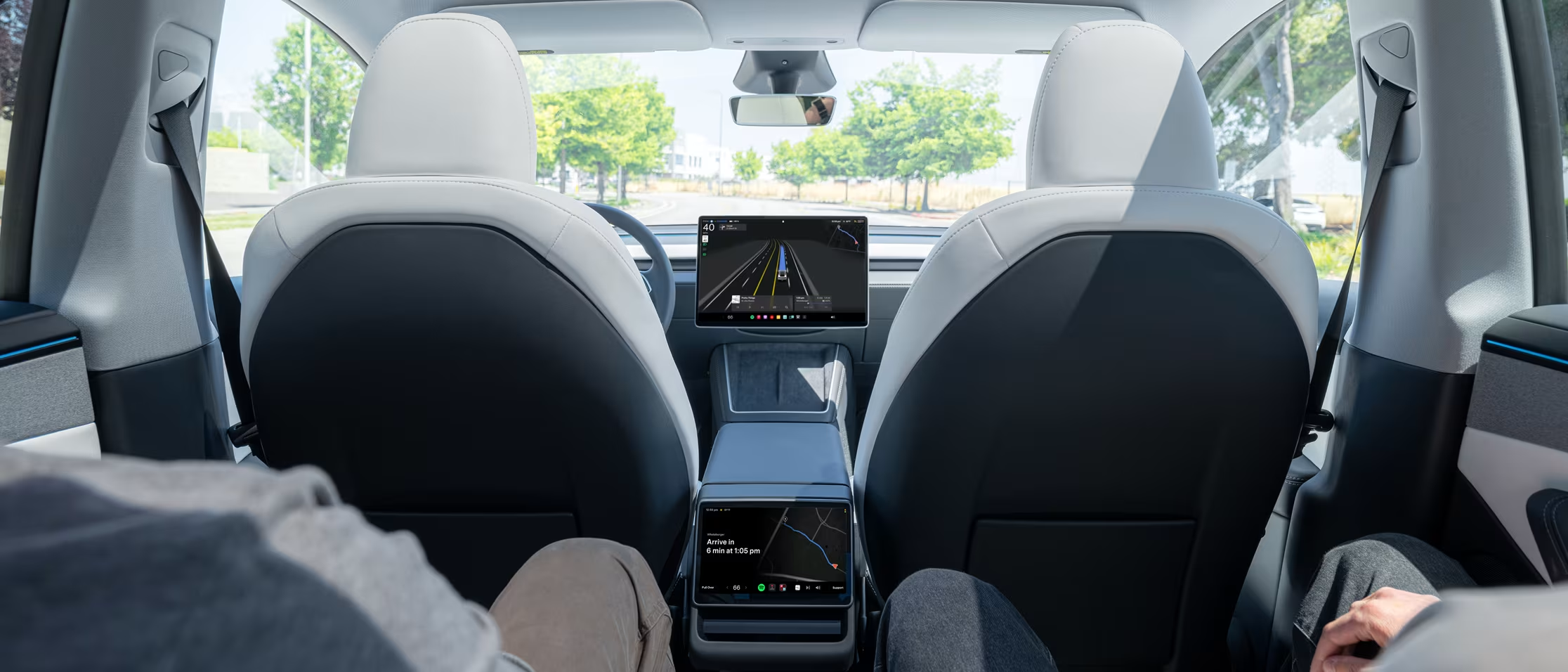
In a dramatic legal escalation, Tesla has filed a lawsuit against the California Department of Motor Vehicles, seeking to overturn a critical administrative ruling that found the company's marketing of its driver-assistance systems constituted false advertising. This aggressive move comes as a surprise to many industry observers, as Tesla had just recently complied with the DMV's demands to alter its website language regarding Autopilot and Full Self-Driving (FSD) capabilities. The lawsuit signals Tesla's refusal to accept the regulatory stigma of the ruling and sets the stage for a high-stakes battle over the definitions—and public understanding—of automated driving technology.
A Ruling and a Rebuttal
The core of the dispute stems from a July 2022 accusation by the California DMV, which alleged that Tesla made misleading claims about the capabilities of its driver-assistance systems. The DMV argued that names like "Full Self-Driving" and statements on Tesla's website created a dangerous misconception that the vehicles were autonomous. In a pivotal decision, an administrative law judge upheld these allegations. Rather than accept the finding, Tesla is now challenging it in state court, arguing the DMV's interpretation is incorrect and that its marketing was not deceptive. The company's legal filing asserts that the ruling was "unlawful and erroneous," effectively putting the regulator itself on trial.
Strategic Timing Raises Questions
The timing of the lawsuit is particularly intriguing. Mere days before filing, Tesla updated its Full Self-Driving marketing pages to include far more prominent disclaimers, explicitly stating that the features "require active driver supervision" and do not make the vehicle autonomous. This action appeared to be direct capitulation to the DMV's requirements. By following with a lawsuit, Tesla is attempting a dual-track strategy: publicly complying under regulatory pressure while legally fighting to erase the formal finding of wrongdoing. This approach allows it to manage immediate regulatory risk while contesting the precedent, which could impact future investigations by the DMV or the National Highway Traffic Safety Administration (NHTSA).
Legal experts suggest the lawsuit is less about the immediate language changes and more about the long-term implications. A formal ruling of false advertising on Tesla's core technological promise could be devastating in ongoing wrongful death and injury lawsuits, where plaintiffs' attorneys routinely cite such regulatory actions. Furthermore, it hands ammunition to competitors and critics who have long argued that Tesla's nomenclature overpromises on capability. For Tesla, clearing its name legally is as crucial as advancing the technology itself, as both are inextricably linked to consumer trust and brand equity in the EV market.
For Tesla owners and investors, this lawsuit underscores the mounting regulatory and legal headwinds facing the company's most ambitious software offering. While the day-to-day functionality of FSD Beta remains unchanged, the legal battle injects new uncertainty. A loss in court could embolden other state regulators to take similar action and strengthen the hand of federal investigators. Conversely, a win for Tesla would be a significant vindication of its marketing strategy. Ultimately, the outcome will influence not just website disclaimers, but the legal landscape in which autonomous driving claims are evaluated, potentially affecting Tesla's liability and the pace of public adoption of these advanced features.