For followers of Elon Musk's ventures, the past week has been a masterclass in parallel execution, with seismic updates from Tesla, SpaceX, and Starlink unfolding simultaneously. This continuous news feed underscores the unprecedented scale at which these companies are advancing, blurring the lines between terrestrial transport, autonomous mobility, and global connectivity. The developments are not isolated; they form a synergistic push towards a future reshaped by integrated technology.
Cybercab Production Begins in Austin
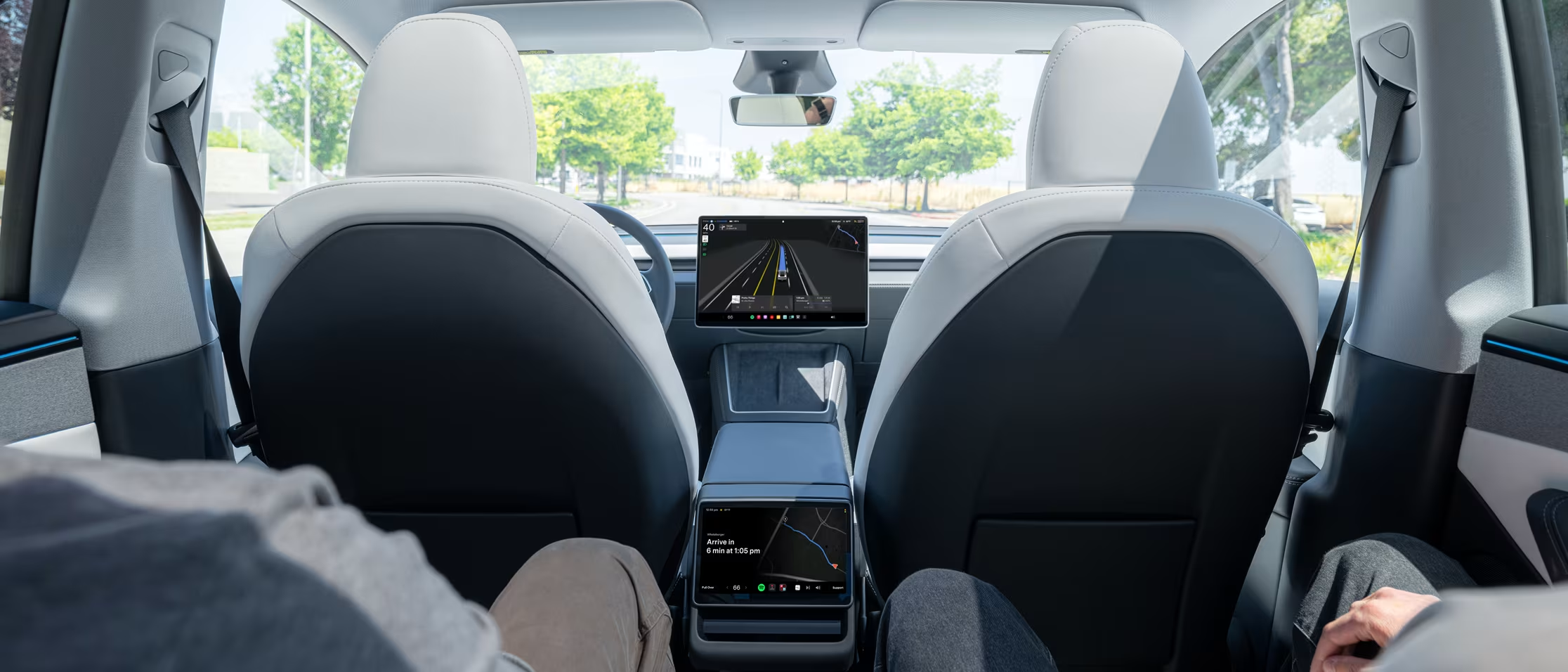
Tesla has officially initiated production of its dedicated robotaxi, the Cybercab, at its Gigafactory Texas facility. This marks a pivotal transition from concept to tangible product, signaling Tesla's full commitment to its autonomy-centric vision. The move follows a highly publicized open-access event in Austin from March 13-14, 2026, where the public got its first physical encounter with the vehicle. This "pop-up" strategy served a dual purpose: generating mainstream buzz and collecting invaluable public perception data ahead of a commercial launch that promises to redefine urban mobility.
FSD 14.2 Rollout and Starlink's Orbital Dominance
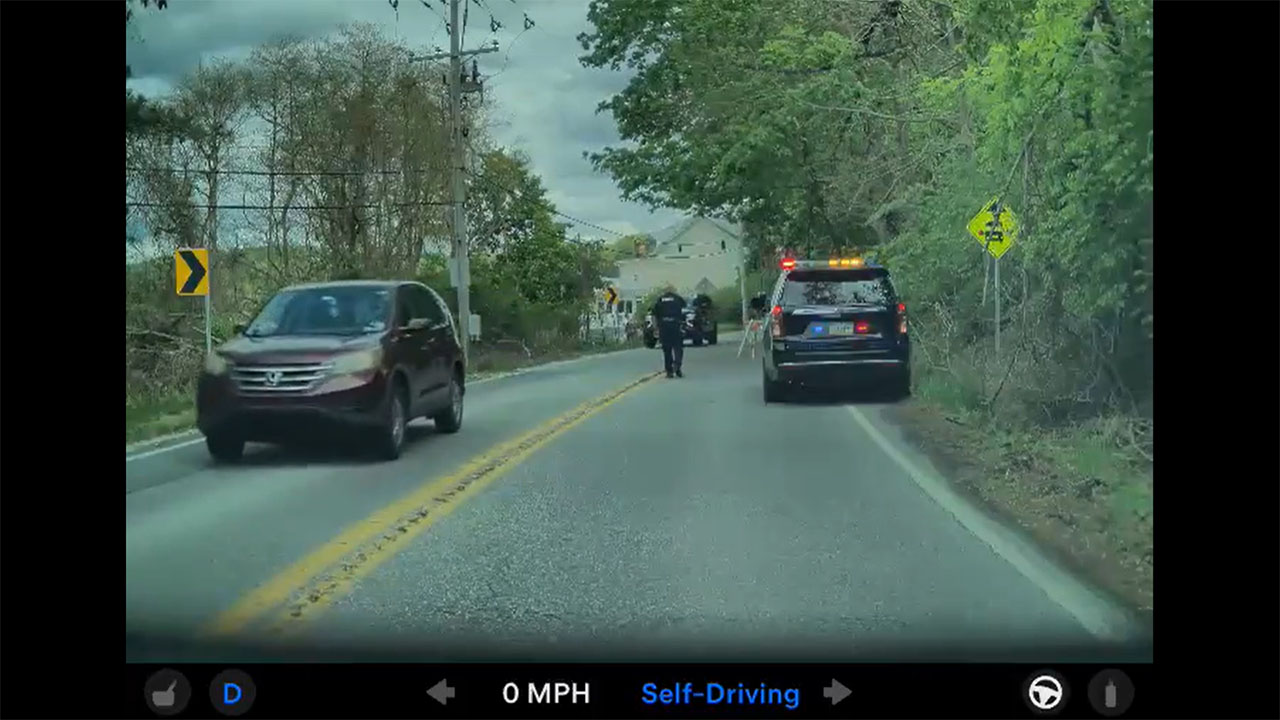
Powering the Cybercab's future operations is Tesla's latest software iteration. The company has begun the carefully staged deployment of Full Self-Driving (FSD) version 14.2 to its customer fleet. This update is critical, as the neural networks and decision-making logic refined by millions of customer-driven miles will form the core of the dedicated robotaxi platform. In the skies above, SpaceX's Starlink constellation has achieved another monumental milestone, now operating over 11,000 satellites. This dense orbital infrastructure is the backbone for the next leap: a direct-to-cell global 5G network, poised to eliminate dead zones and provide the ubiquitous, low-latency connectivity essential for reliable autonomous vehicle operations anywhere on the globe.
The interplay between these updates is strategic and profound. The Cybercab requires ultra-reliable, high-bandwidth connectivity for remote monitoring, fleet management, and potential passenger infotainment—a need perfectly addressed by the impending Starlink mobile network. Furthermore, the real-world data from FSD 14.2 deployments directly accelerates the AI training necessary for commercial robotaxi safety and efficiency. This creates a powerful feedback loop: more Teslas driving autonomously improve the AI, which improves the robotaxis, which are connected via Starlink.
For Tesla owners and investors, the implications are multifaceted. Owners with FSD capability are active participants in the most valuable real-world AI training program on Earth, each mile driven contributing to the company's insurmountable data moat. The start of Cybercab production transforms Tesla's autonomy narrative from a software story into a near-term revenue model, with a new, high-margin business line on the horizon. For investors, the vertical integration of vehicle manufacturing, autonomous AI, and global communications infrastructure represents a unique and defensible ecosystem unlike any other in the automotive or tech sectors, potentially de-risking the robotaxi venture's success.