In a move that has sent shockwaves through the luxury electric vehicle community, Tesla is attaching a highly restrictive one-year no-resale clause to its most exclusive new offerings. This condition targets the final, limited-run "Signature" editions of the Model S and Model X, vehicles positioned as collector's items from the outset. The policy, buried in the purchase agreement, represents a bold and controversial attempt by the automaker to control the secondary market and prevent immediate profiteering on these rare EVs.
The Anatomy of an Exclusive, Yet Restricted, Offering
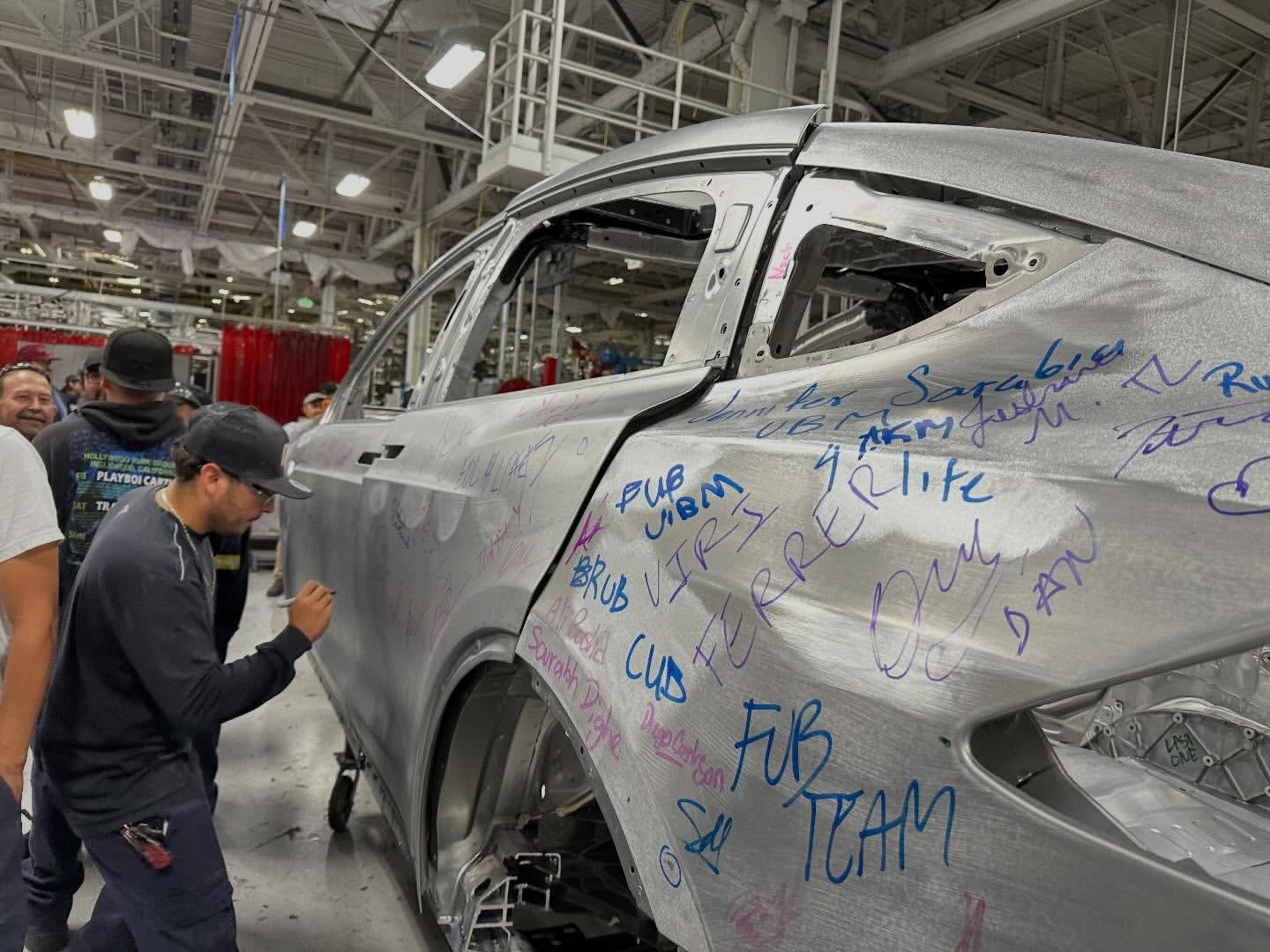
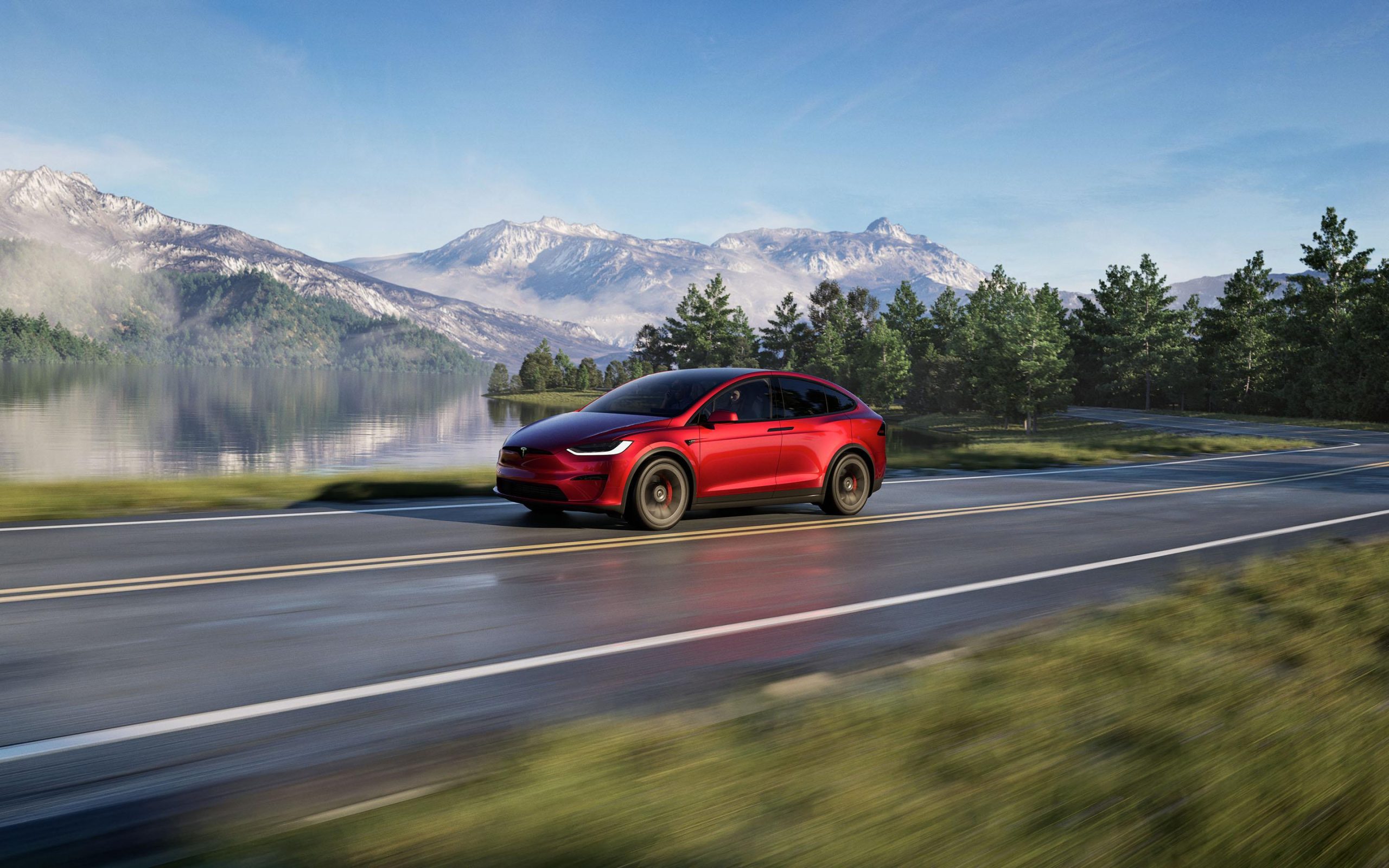
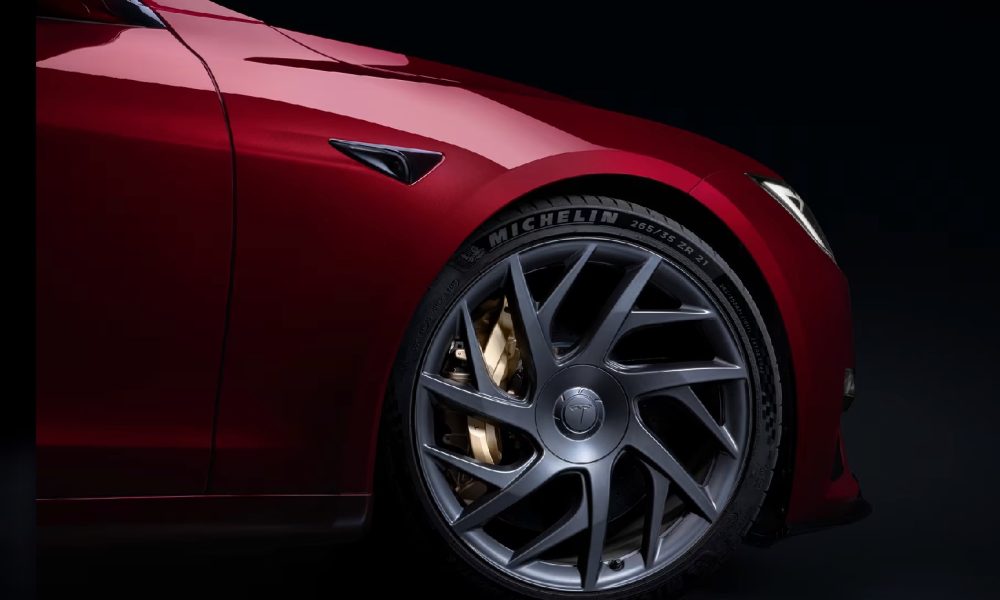
This final chapter for the current-generation Model S and X is marked by extreme scarcity. Tesla is producing only 250 units of each model, with a starting price of $159,420. Dubbed the "Signature" series, these vehicles are fully loaded with the Luxe Package and bespoke badging, ostensibly crafted for the brand's most ardent supporters. However, the allure of ownership comes with a significant string attached. Buyers are required to sign a binding contract that explicitly prohibits them from selling the vehicle within the first year of delivery. Violating this clause could allow Tesla to seek injunctive relief or sue for damages, potentially set at $50,000 or the value received from the sale, whichever is greater.
Strategic Move or Overreach in a Shifting Portfolio?
Analysts see this aggressive tactic as a multi-faceted strategic play by Tesla. Primarily, it is a direct effort to curb speculators and flippers from buying these limited vehicles solely to resell them at a premium, a phenomenon that has plagued other limited-edition cars and eroded brand goodwill. Furthermore, the clause ensures these flagship models remain in the hands of genuine customers during a critical transition period. With production of the S and X "winding down to focus on next-generation projects," including the Optimus robot and the more affordable next-gen platform, Tesla is deliberately capping the legacy of its halo vehicles. This no-resale mandate artificially preserves their exclusivity and mystique in the market, treating them less as consumer products and more as sanctioned collector assets.
The legal and ethical implications are already sparking debate. While such clauses are not unheard of in hypercar circles, their application to vehicles from a volume manufacturer—even in limited runs—is unprecedented. It raises questions about the true nature of ownership and whether purchasers are buying a car or merely a long-term lease on an asset Tesla still seeks to control. The company's willingness to enforce this clause, and the legal battles that may ensue, will be closely watched by the entire automotive industry.
Implications for the Tesla Ecosystem
For Tesla owners and investors, this decision is a double-edged sword. For those who secure a Signature model, it guarantees a peer group of committed owners, potentially enhancing the long-term collector value of the vehicle after the one-year lockup expires. It also signals that Tesla views its highest-end products as appreciating brand artifacts, not just depreciating transportation. For investors, the move underscores a strategic pivot: the S and X are being ceremoniously retired as volume leaders to make way for the high-stakes, high-growth initiatives that will define Tesla's next decade. However, the aggressive contract also introduces reputational risk, potentially alienating a segment of the luxury buyer base that values autonomy over their assets.
Ultimately, the Signature series no-resale clause is a stark declaration of Tesla's evolving priorities and its uncompromising approach to brand management. It transforms a vehicle purchase into a pact, ensuring that the final iteration of its pioneering EVs exits the stage not with a whimper, but under the strict, controlled conditions of a captive encore.