In the high-stakes world of automotive collectibles, exclusivity is the ultimate currency. Tesla is taking a bold step to protect that value for its most ardent supporters with a surprising contractual clause. New purchase agreements for the ultra-limited Signature Edition Model S and Signature Edition Model X now include a binding one-year no-resale clause, a move designed to deter flippers and cement these vehicles' status as long-term investments rather than short-term commodities.
A Contractual Barrier Against Speculation
The clause, embedded within the official purchase documents, explicitly prohibits buyers from selling their Signature Edition vehicle within 12 months of delivery. This isn't a gentle suggestion but a formal condition of sale. While the exact legal and financial ramifications for breach of contract remain undisclosed, the intent is crystal clear: Tesla is directly targeting speculators looking to capitalize on immediate scarcity. This strategy mirrors practices seen in other luxury sectors, like high-end watches and limited-edition art, where manufacturers aim to ensure their premier products go to genuine enthusiasts who will cherish them, not just profit from them.
Preserving Exclusivity and Brand Prestige
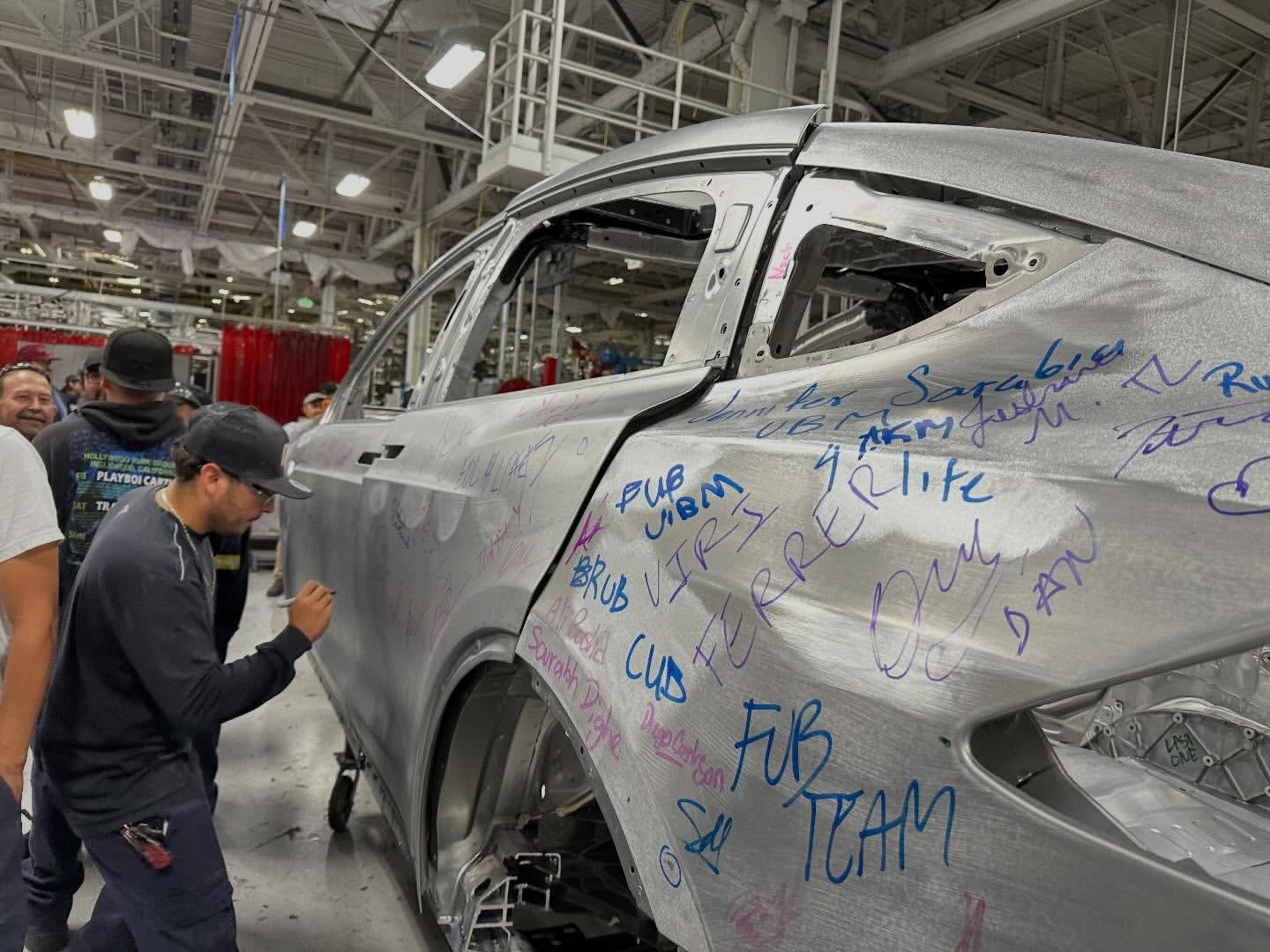
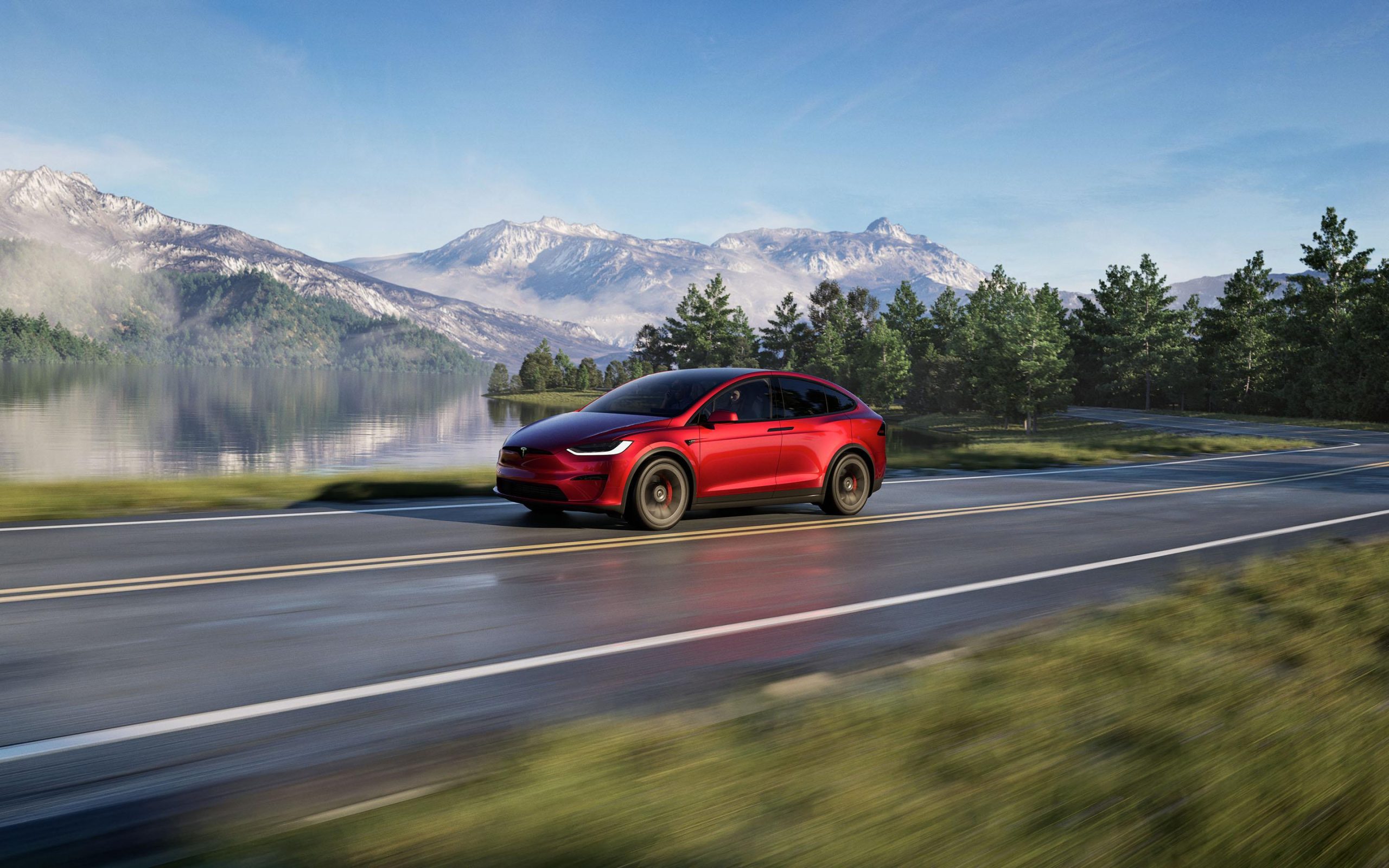
The Signature Edition models represent the pinnacle of Tesla's current offerings, featuring unique badging, bespoke interior finishes, and priority delivery. By instituting the no-resale rule, Tesla is actively managing the secondary market before it even forms. This protects the brand's prestige by preventing a scenario where these halo cars immediately appear on auction sites at astronomical markups, a situation that could alienate the core customer base. It reinforces the narrative that owning a Signature Tesla is about passion and commitment to the EV mission, not just financial opportunism. The policy also serves as a quality control measure, ensuring the first owners—those most likely to care for the vehicle meticulously—are the ones putting the initial miles on these future classics.
This move is not without precedent for Tesla, which has previously used purchase agreements to discourage commercial use of its vehicles or rapid resale of full self-driving packages. However, applying it to a six-figure, limited-production model marks a significant escalation. It reflects a maturation in how the company views its own position in the luxury market, treating its most exclusive products as appreciating assets whose value it has a vested interest in stewarding. The calculus is clear: a stable, appreciating value for Signature Editions enhances the allure of the entire Tesla portfolio.
For Tesla owners and investors, this policy is a double-edged sword. For those fortunate enough to secure a Signature Edition, it guarantees a measure of stability in their asset's early life, potentially leading to greater long-term value as the one-year lock-up period prevents market flooding. For the broader investor community, it demonstrates Tesla's confidence in the enduring collectibility of its products and its willingness to enforce brand discipline at the highest level. It signals that Tesla is thinking like a legacy luxury automaker when it comes to its icons, carefully curating ownership to build legend and loyalty. As the electric vehicle market evolves, such nuanced strategies for brand management may become as critical as the technology under the hood.