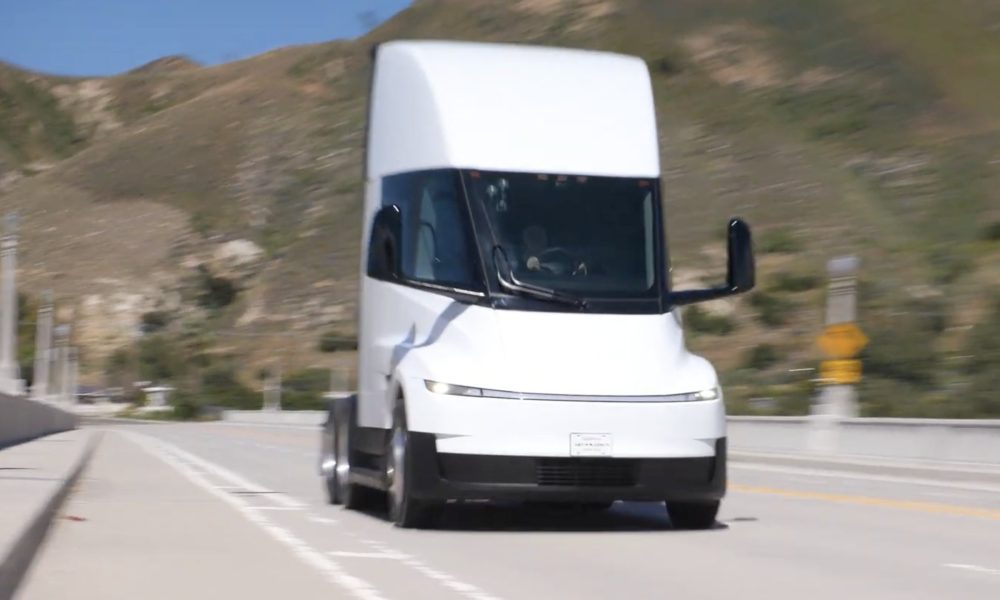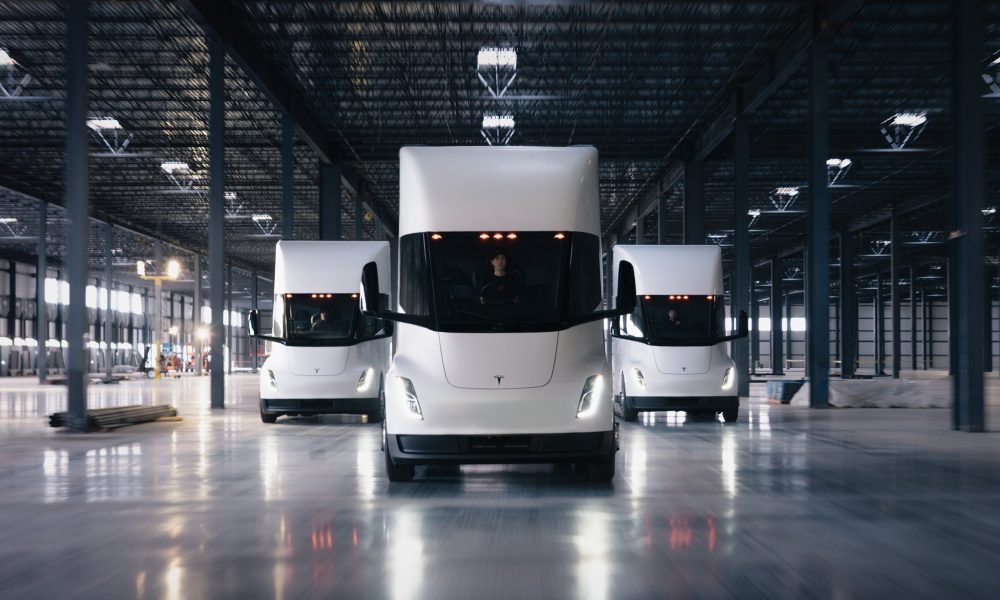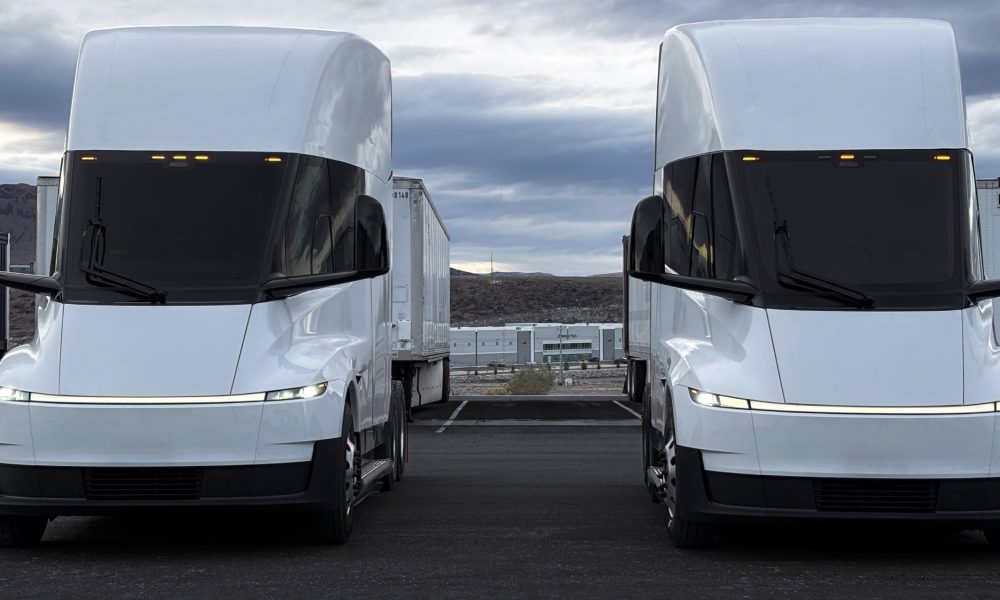
In the gritty, fuel-soaked world of long-haul trucking, a quiet revolution is gaining momentum, powered not by diesel but by electrons. The Tesla Semi, once a polarizing concept, is now earning its stripes on the road, converting seasoned drivers with its performance and practicality. Amidst a suite of latest upgrades, real-world testimonials from those behind the wheel are painting a compelling picture of a truck that doesn't just compete with traditional rigs—it redefines the entire driving experience.
Drivers Report a Transformative Experience
The most powerful endorsements come directly from the cab. Veteran truckers piloting the Tesla Semi consistently highlight a triad of advantages: the cab is dramatically quieter, eliminating the constant roar and vibration of a diesel engine. The acceleration is described as quicker and more responsive, a critical factor for merging and highway safety. Perhaps most importantly, drivers report the day is far less physically demanding. The absence of gear-shifting, combined with regenerative braking that reduces pedal work, translates to significantly reduced fatigue, a major win for both driver well-being and fleet safety metrics.
The Hard Numbers Behind the Praise
This qualitative praise is underpinned by formidable quantitative specs. The Semi's electric drivetrain delivers a staggering three times the power of a comparable diesel truck, enabling it to handle steep grades with ease while maintaining speed. The operational cost savings are the cornerstone of its value proposition. Early fleet data and Tesla's own estimates point to dramatically lower operating costs, stemming from cheaper electricity versus diesel, reduced brake wear, and fewer moving parts requiring maintenance. These savings directly address the core financial calculus of fleet operators.
These real-world accolades are now being amplified by Tesla's continuous improvement cycle. The latest upgrades to the Semi, though often incremental and software-driven, focus on refining range accuracy, charging efficiency, and vehicle diagnostics. Each update tightens the feedback loop between driver experience and engineering, ensuring the truck becomes more reliable and capable with time. This over-the-air update model is a foreign concept in traditional trucking but represents a key long-term advantage for Tesla's electric vehicle platform.
For Tesla investors and owners, the successful penetration of the Semi into the commercial market represents a massive, albeit long-term, growth vector. Positive driver feedback is the essential catalyst for fleet adoption, breaking down cultural resistance in a conservative industry. Every driver who praises the Semi becomes an advocate, accelerating sales cycles. For the broader EV ecosystem, a viable electric Class 8 truck proves the technology's applicability beyond passenger vehicles, potentially transforming freight logistics and making a substantial dent in transportation sector emissions.