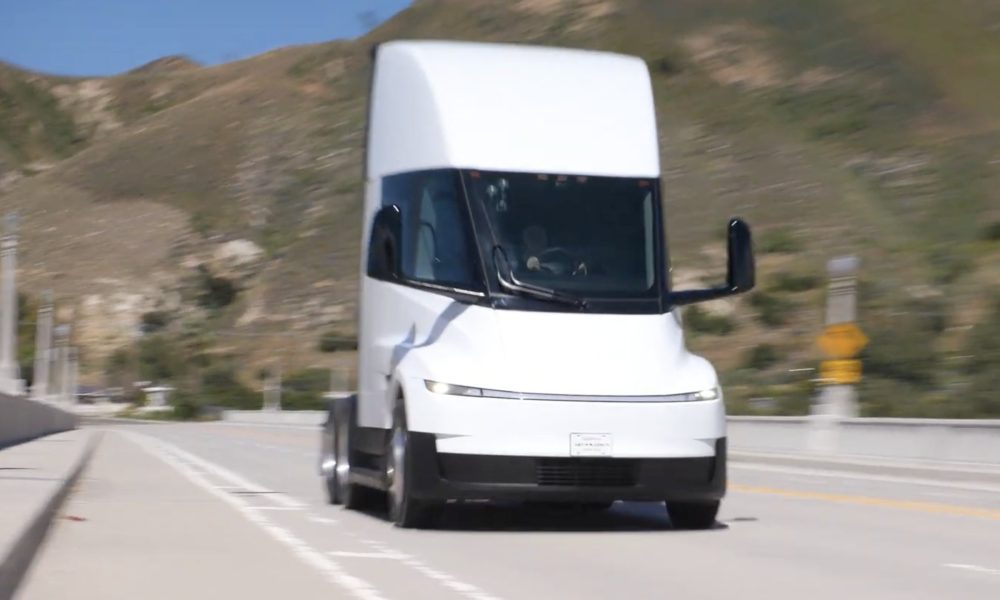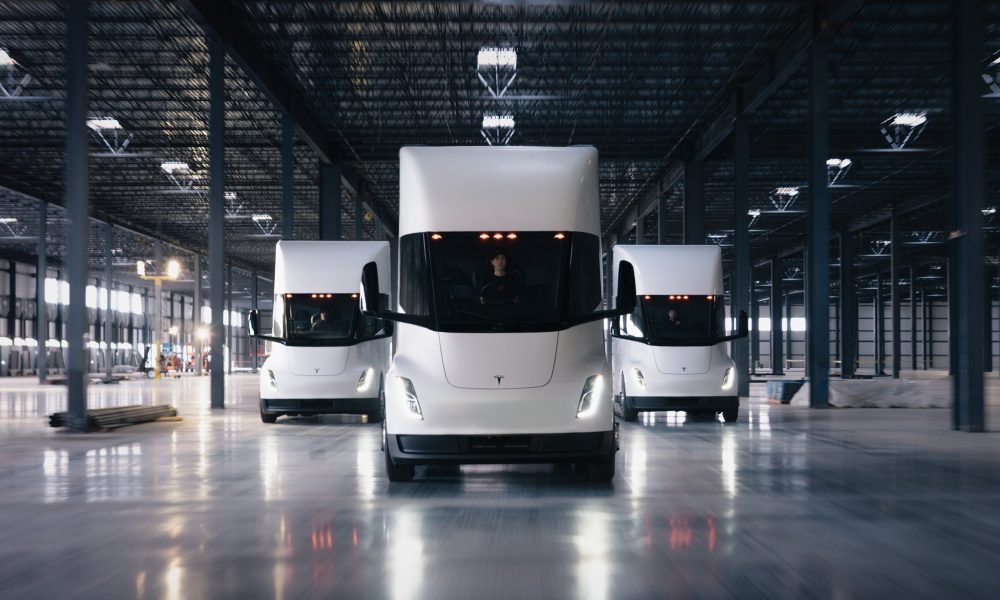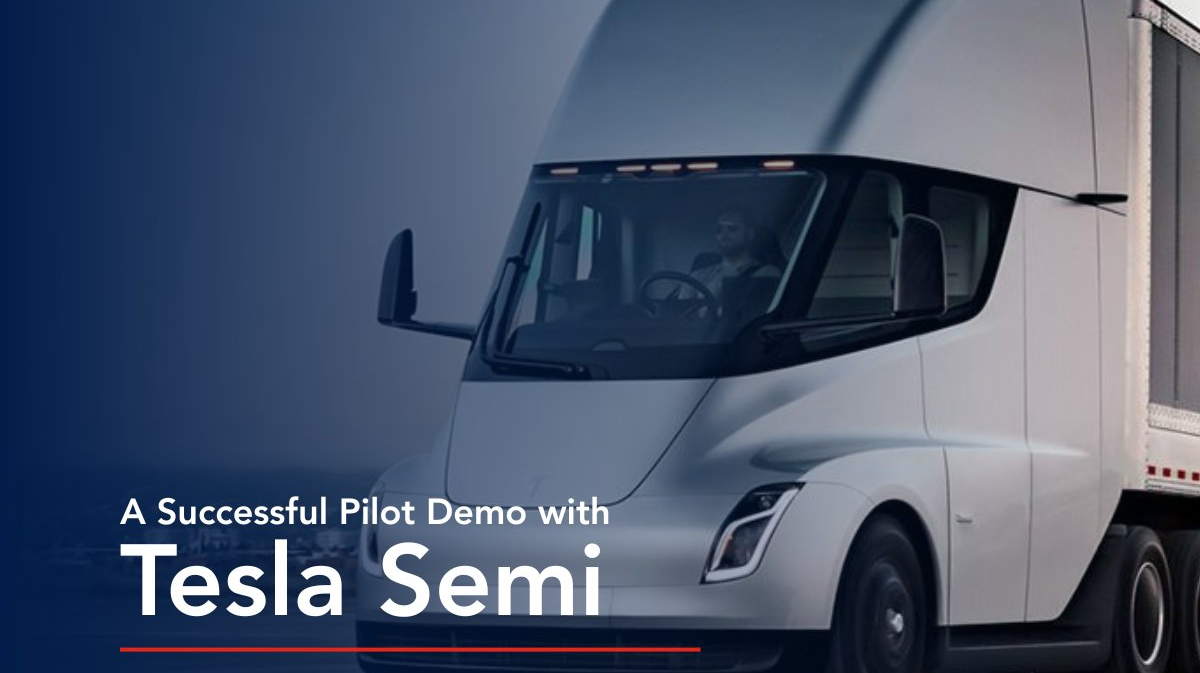
As the commercial trucking industry grapples with tightening emissions regulations and volatile fuel costs, the real-world validation of electric freight solutions has become paramount. A new pilot program between Tesla and global supply chain giant CEVA Logistics is providing some of the most compelling evidence yet, demonstrating that the Tesla Semi isn't just a prototype marvel but a practical tool for slashing carbon footprints today.
CEVA Pilot Delivers Concrete Emissions Data
The pilot, conducted on CEVA’s regular freight routes, placed the Tesla Semi into its daily operations to measure performance under authentic conditions. The results were stark: the all-electric Class 8 truck achieved a reduction of over 90% in well-to-wheel CO₂ emissions compared to a standard diesel counterpart on the same routes. This figure is significant, moving beyond theoretical efficiency to document tangible environmental impact. The trial also highlighted the Semi's reliability and seamless integration into CEVA's existing logistics framework, a critical hurdle for fleet adoption.
Beyond CO₂: The Operational Efficiency Argument
While the dramatic CO₂ reduction is the headline, the pilot underscored the broader economic calculus for fleet operators. The Tesla Semi's performance in energy consumption per mile translates directly to lower operating costs, a key metric in the thin-margin freight industry. Furthermore, the vehicle's regenerative braking and reported lower maintenance needs due to its simplified electric drivetrain present a compelling total-cost-of-ownership narrative. This data from a major player like CEVA adds substantial credibility to Tesla's claims that its electric vehicle technology can revolutionize not just passenger transport but the backbone of global commerce.
Implications for Tesla's Commercial Ambitions and the EV Market
The CEVA report arrives as Tesla is reportedly ramping up production of the Semi at its Nevada Gigafactory. Each successful pilot with a high-profile logistics firm acts as a powerful case study, accelerating the sales cycle in an industry traditionally resistant to change. For Tesla investors, the continued validation from third-party operators de-risks the Semi's market entry and opens a massive new revenue stream beyond the consumer segment. It also places immense competitive pressure on legacy truck manufacturers and newcomers alike to accelerate their own electric truck roadmaps.
For current and prospective Tesla owners, the success of the Semi ecosystem reinforces the company's overarching mission. The expansion of Tesla's technology into freight strengthens the brand, drives further investment in charging infrastructure—including the critical Megacharger network—and accelerates the broader transition to sustainable energy. As the electric truck market matures, the innovation and lessons learned from the Semi program are likely to trickle down, influencing future advancements in battery technology and vehicle efficiency across all Tesla products.