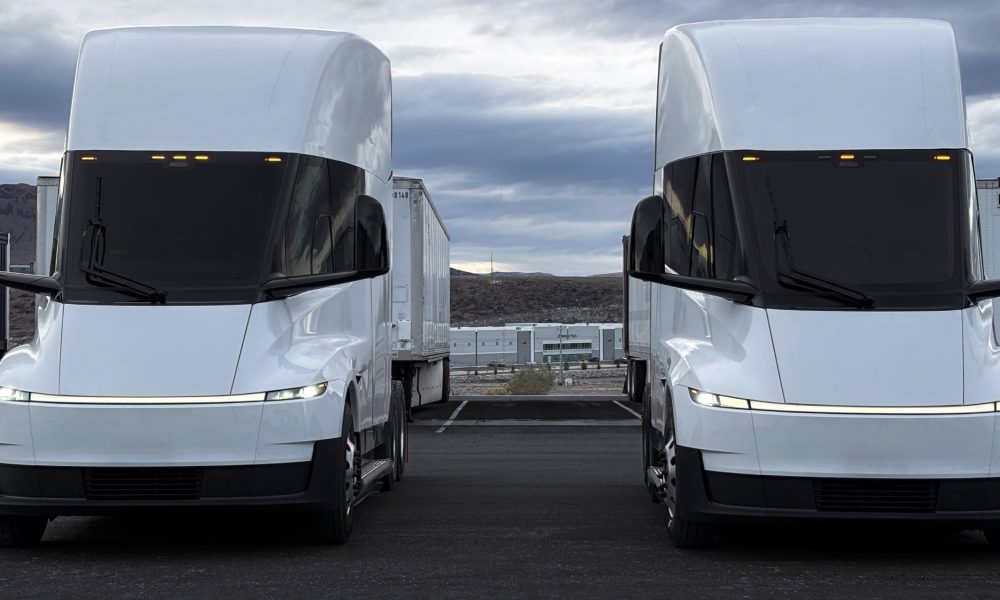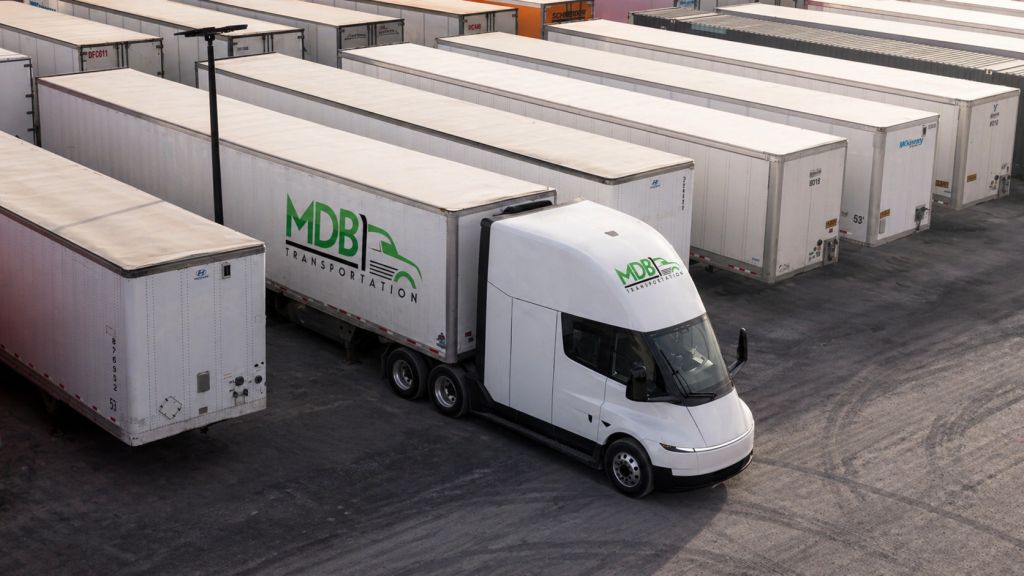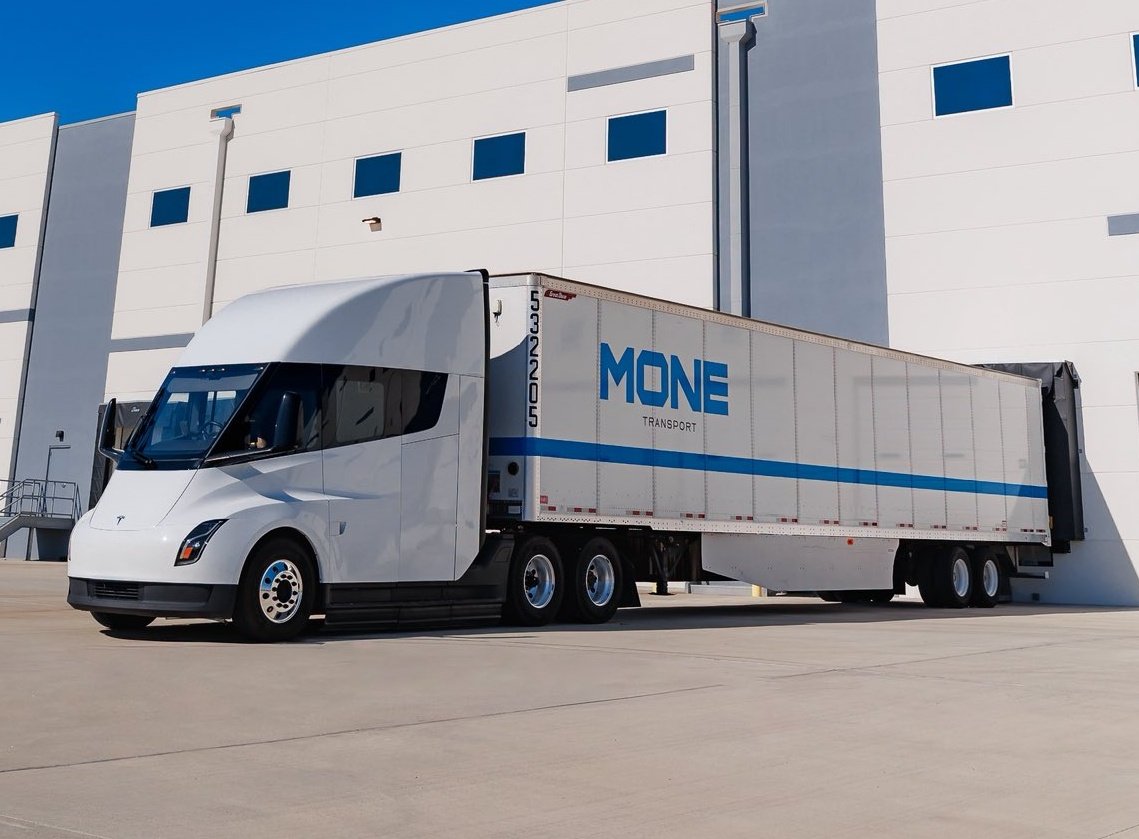
As Tesla prepares to shift its long-awaited Semi into high-volume production, a new real-world fleet trial is delivering compelling data that could reshape the economics of freight transport. A pre-production Tesla Semi, operating over a rigorous 4,700-mile journey, has achieved a remarkable average energy consumption of just 1.64 kilowatt-hours per mile. This figure, logged under real-world commercial conditions, provides a critical benchmark that suggests Tesla's electric behemoth isn't just viable—it's poised to deliver unprecedented operational savings.
Decoding the 1.64 kWh/Mile Benchmark
The reported energy efficiency of 1.64 kWh/mile is a headline-grabbing metric that demands context. For comparison, industry estimates for diesel Class 8 trucks often equate to over 2.0 gallons of diesel per mile under similar loads. Translated into energy costs, the Tesla Semi's performance indicates a potential fuel cost reduction of up to 70% depending on local electricity and diesel prices. This trial, which included varied terrain and highway speeds, demonstrates that the Semi's efficiency isn't a laboratory ideal but an achievable standard on actual routes. The data underscores the core advantage of the electric vehicle powertrain: converting energy directly to motion with far less waste heat and mechanical loss than a diesel engine.
The Path to High-Volume Production
This fleet trial arrives at a pivotal moment for Tesla's commercial ambitions. The company has announced its intention to begin high-volume production of the Semi at its Nevada Gigafactory later this year, scaling up from the small, hand-built fleet currently serving select partners like PepsiCo. Each successful real-world test serves as a powerful validation for fleet managers who are risk-averse and require proven total cost of ownership models. The performance data directly addresses the primary concerns of the trucking industry: range, reliability, and cost. By proving consistent efficiency, Tesla moves closer to securing the large-scale orders necessary to justify its production ramp and make a tangible dent in the logistics sector's carbon footprint.
Implications for Tesla Owners and Investors
For Tesla as a whole, the Semi's continued success in trials reinforces its technological moat in the EV arena, extending its leadership beyond passenger vehicles into heavy transport. Investors should view the Semi not merely as a new product line, but as a high-margin opportunity that leverages Tesla's core battery and powertrain expertise into a massive, underserved market. For future Tesla Semi owners and fleet operators, the financial implications are stark. The proven efficiency translates into highly predictable and lower per-mile energy costs, a revolutionary concept in an industry perpetually hostage to volatile diesel prices. This trial brings the vision of a profitable, electric vehicle-dominated freight future one major step closer to reality.