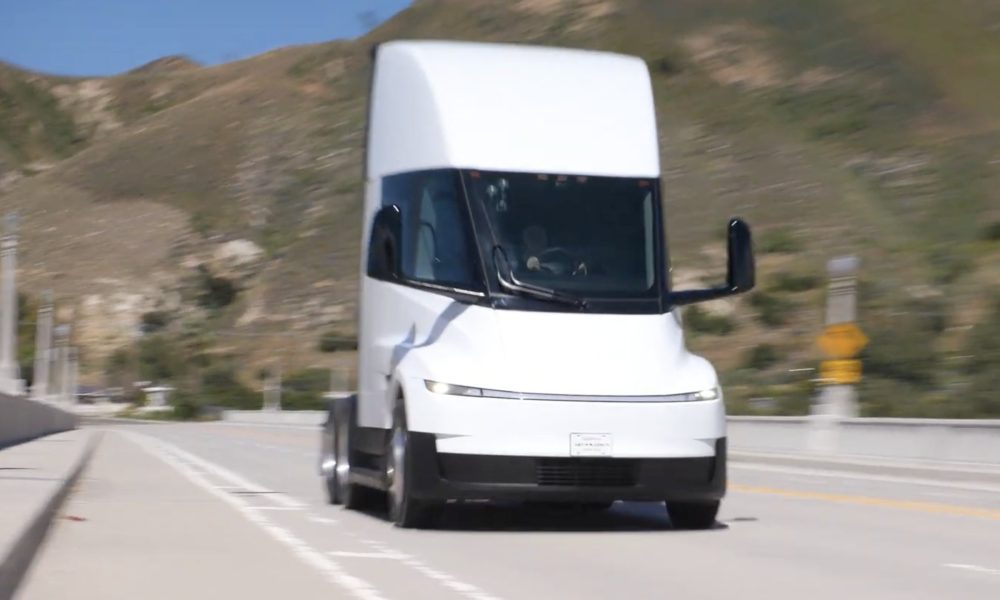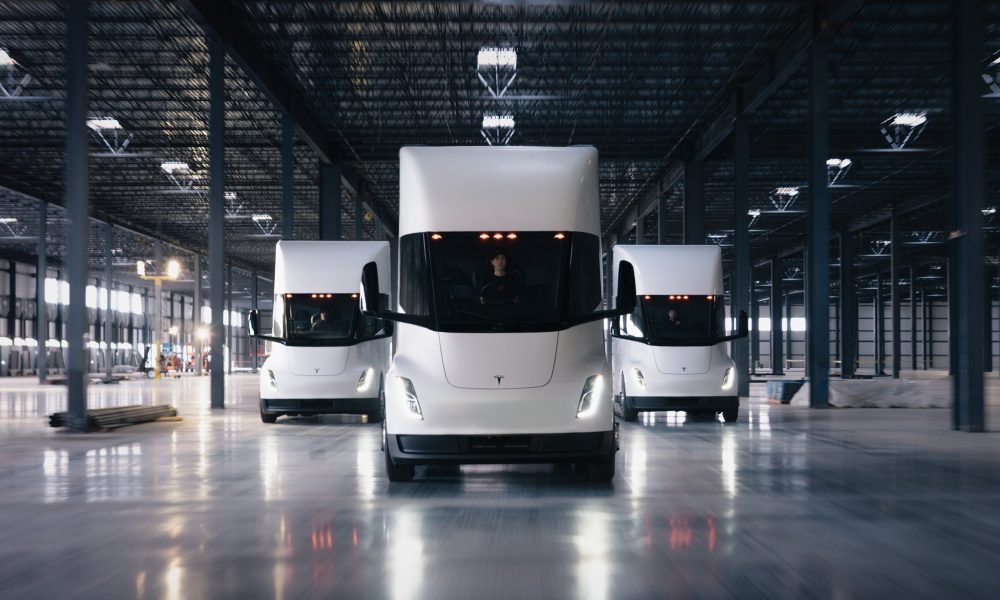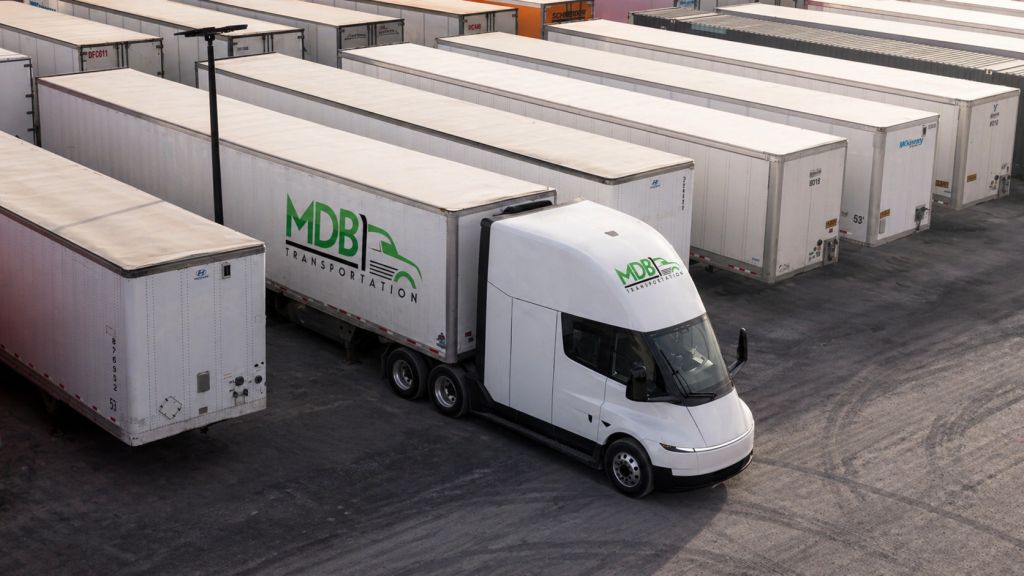
California’s logistics landscape is witnessing a pivotal shift as the Tesla Semi officially enters the demanding world of port drayage. On Wednesday, MDB Transportation, a family-owned logistics firm based in the Golden State, announced the launch of a pilot program that will put the all-electric Class 8 truck through its paces at the bustling Port of Los Angeles. This marks a tangible step toward electrifying one of the most challenging segments of freight transport, moving the Tesla Semi from highway trials into the gritty reality of container movement.
Three Weeks of Real-World Testing
The pilot program is structured as a focused, three-week evaluation period. MDB Transportation will integrate the Tesla Semi into its existing drayage operations, hauling containers between the port terminals and nearby distribution hubs. This is not a controlled lab test; it is a high-stakes trial that will expose the electric truck to the stop-and-go traffic, tight loading docks, and regulatory pressures unique to port environments. The company will collect critical data on range, charging efficiency, and total cost of ownership under real-world conditions. For Tesla, this is a crucial proving ground to demonstrate that its battery-electric platform can handle the grueling duty cycles that have long been dominated by diesel.
Why Port Drayage Matters for EV Adoption
Port drayage is notoriously hard on trucks. Short, repetitive routes with frequent idling and heavy loads create a perfect storm for high emissions and maintenance costs. However, these predictable routes also present an ideal use case for electric vehicles. The California Air Resources Board (CARB) has mandated a rapid transition to zero-emission trucks at the state's ports, making this pilot particularly timely. If the Tesla Semi can successfully navigate the Los Angeles port complex—one of the busiest in the Western Hemisphere—it will send a powerful signal to the entire logistics industry. MDB Transportation’s willingness to be an early adopter suggests that fleet operators are ready to move beyond skepticism and begin validating the technology.
Implications for Tesla Owners and Investors
For current Tesla shareholders, this pilot represents more than just a product demo. It is a direct assault on a massive, untapped market. The Class 8 truck segment, while smaller in unit volume than passenger EVs, commands significantly higher margins and recurring revenue from software services and charging infrastructure. A successful port drayage program could accelerate orders from major fleets, boosting Tesla’s industrial revenue stream. For Tesla owners, the broader implication is about brand evolution. The company is no longer just a carmaker; it is an energy and logistics disruptor. As the Tesla Semi proves its mettle in the grueling port environment, it reinforces the durability and scalability of Tesla’s core battery and powertrain technology—benefiting every vehicle in the lineup, from the Model Y to the Cybertruck. Investors should watch this three-week trial closely, as the data collected could be the catalyst that finally unlocks widespread commercial adoption of electric heavy-duty trucks.