![Tesla planning Canadian Semi Megacharger rollout in Ontario [Exclusive]](https://driveteslacanada.ca/wp-content/uploads/2026/04/Semi_86-Large.jpeg)
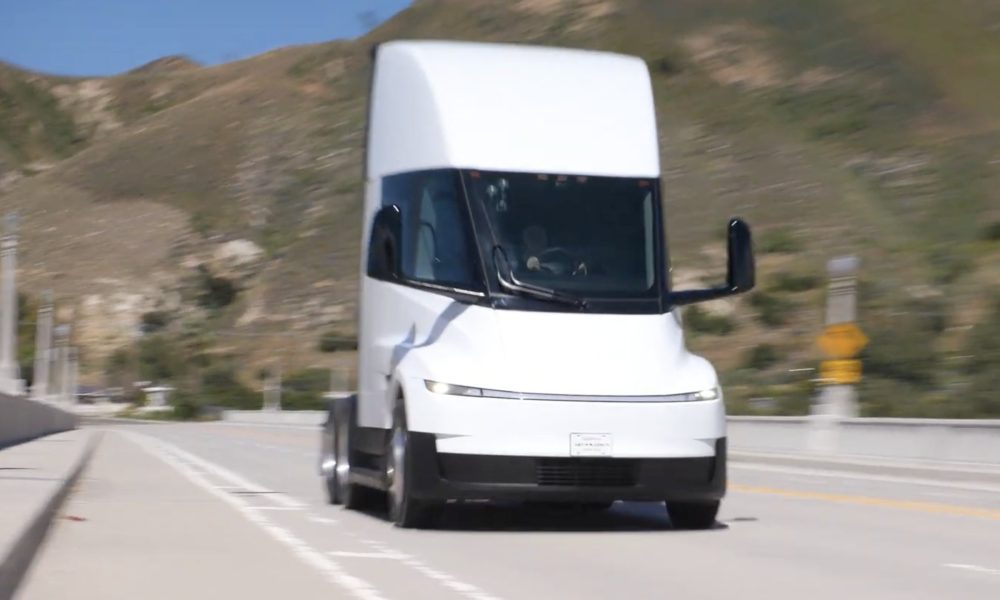
Exclusive information obtained by Drive Tesla reveals that Tesla is preparing to launch its first Megacharger network for the Tesla Semi in Canada, marking a pivotal step in the company's strategy to electrify North American freight. The initial sites are strategically planned for Ontario, targeting a vital artery of the country's logistics infrastructure. This move signals Tesla's confidence in the Semi's production ramp and its intent to create a functional, continent-wide support ecosystem for fleet operators before scaling vehicle deliveries.
Targeting the Heart of Canadian Commerce
The planned Megacharger sites are set to be deployed along the Highway 401 corridor in Ontario, a route often described as Canada's economic lifeline. This highway handles a massive volume of freight traffic between the U.S. border at Detroit/Windsor and major industrial and population centers like Toronto, Ottawa, and Montreal. By placing its high-speed charging infrastructure here, Tesla is directly addressing the primary operational route for many major logistics companies. This strategic placement reduces "range anxiety" for fleet managers and provides a practical foundation for early adopters to integrate the electric semi-truck into their most critical lanes.
The Megacharger Advantage for Fleet Operations
Tesla's Megacharger is not merely a larger version of a Supercharger; it is a bespoke system designed for the brutal economics of freight. Promising to add up to 70% range in just 30 minutes, this charging speed is critical for maintaining tight delivery schedules and maximizing a truck's uptime. For fleet operators, minutes spent charging directly impact the bottom line. The deployment of these chargers in Ontario will serve as a real-world laboratory, proving the Semi's viability in a challenging climate and providing Tesla with invaluable data on cold-weather performance, grid demand management, and the durability of the hardware under constant commercial use.
The expansion into Canada also reflects a broader, more mature phase of Tesla's energy and infrastructure ambitions. It moves beyond passenger EVs and into the complex world of commercial transportation, where partnerships with utilities, government grants for green infrastructure, and integration with fleet management software are paramount. A successful Canadian rollout would not only support Semi sales but also strengthen Tesla's position as a full-spectrum sustainable energy company, capable of servicing everything from a family sedan to a Class 8 truck.
Implications for Tesla's Commercial and Energy Future
For Tesla investors, this infrastructure build-out is a tangible commitment to the Semi program, de-risking future production increases by proving a reliable charging network exists. For potential fleet customers in Canada and the northern United States, it provides the confidence needed to place large orders. The Ontario Megachargers will become a showcase, demonstrating to skeptical industry veterans that long-haul electric trucking is operationally feasible in a major market. Ultimately, this exclusive news points to a quiet but aggressive preparation by Tesla to finally bring the Semi into the mainstream, starting where the freight is—and in Canada, that's on the 401.