In a powerful testament to brand loyalty and the enduring appeal of its core models, Tesla has closed a significant chapter in its history. The company's limited-run Signature Edition Model S and Model X have completely sold out in under a week, signaling robust demand even as Tesla pivots its focus toward next-generation platforms and high-volume production.
A Swift and Symbolic Sellout
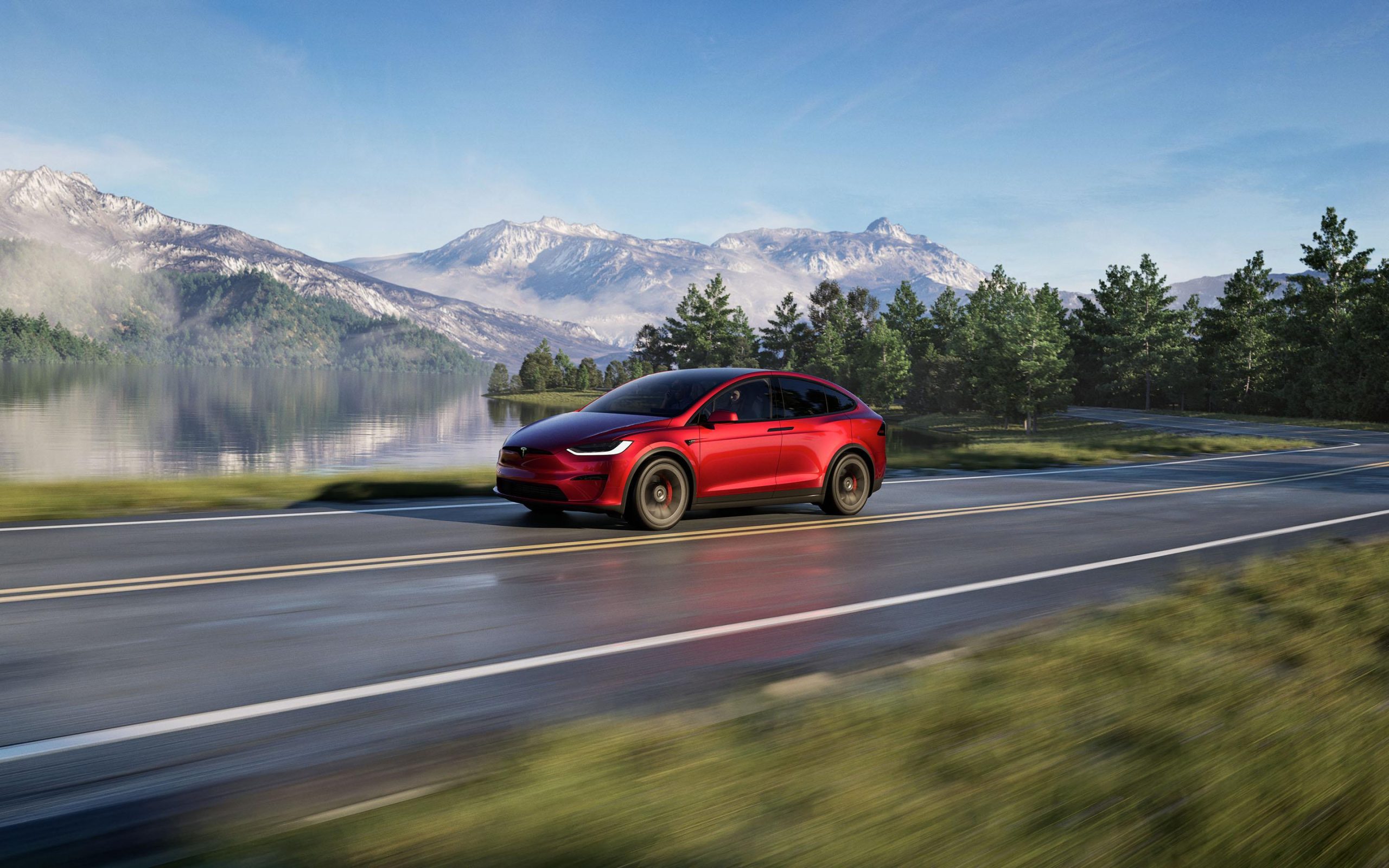
The Model S Signature Edition was available for just five days before Tesla officially closed orders. This swift sellout mirrors the immediate success of the Model X Signature Edition, which preceded it. These weren't mere inventory clearances; they were curated, final-production variants of the vehicles that defined Tesla's rise from niche automaker to industry leader. The speed of the sellout, particularly for a premium-priced vehicle in a competitive electric vehicle (EV) market, underscores a key dynamic: Tesla's most dedicated customer base remains highly engaged and willing to invest in exclusive iterations of its legacy products.
Context: A Final Bow for Iconic Platforms
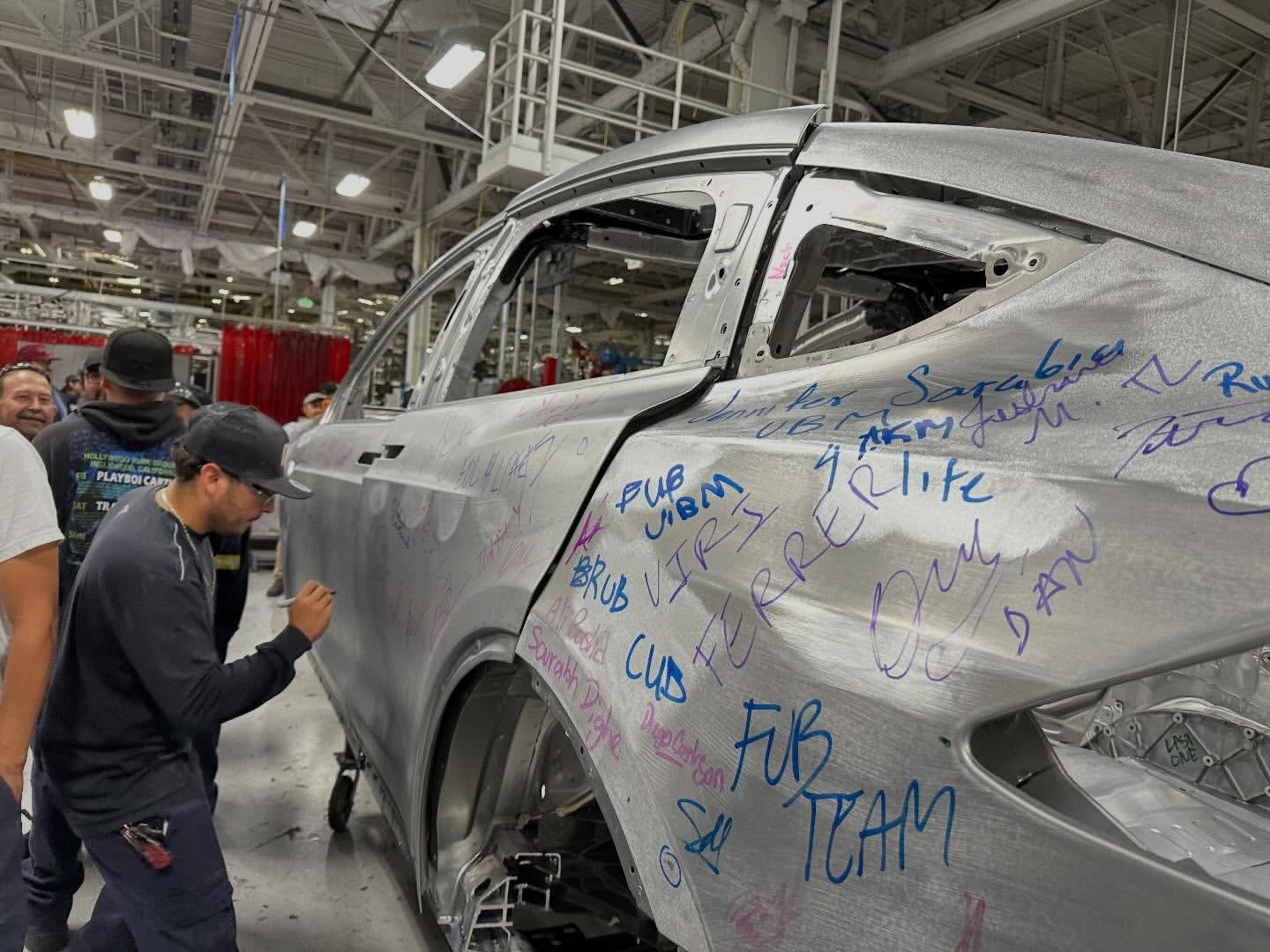
This sellout carries significant symbolic weight. The Model S and Model X, built on Tesla's foundational platforms, are the vehicles that cemented the company's reputation for performance, range, and technology. The Signature Editions served as a final, limited-run homage before Tesla's manufacturing and engineering emphasis fully shifts to the high-volume Model 3 and Model Y, and the eagerly anticipated "Next-Gen" platform. The market's enthusiastic response indicates that while Tesla is aggressively moving forward, there is still a substantial and passionate market for the vehicles that started the revolution.
Analysts view this not just as a successful product launch, but as a strategic brand reinforcement. By creating exclusive, sell-out editions, Tesla effectively manages the lifecycle of its older models without resorting to traditional discounting. It maintains an aura of desirability and scarcity around the Model S and Model X, protecting their residual values and premium positioning even as newer, more affordable EVs flood the market. This move artfully bridges the gap between Tesla's groundbreaking past and its mass-market future.
Implications for Owners and Investors
For current Tesla owners, especially those of legacy Model S and Model X vehicles, this sellout is a positive signal. It suggests sustained demand and prestige for these models, which can help support long-term resale values. The event demonstrates that Tesla's brand equity extends beyond its volume sellers. For investors, the takeaway is twofold. First, it reveals the enduring strength of Tesla's direct-to-consumer model and its ability to mobilize its customer base instantly. Second, it provides a clear indicator that the company can successfully manage product transitions, leveraging limited editions to maintain momentum and profitability across its entire lineup as it navigates a critical period of growth and innovation.