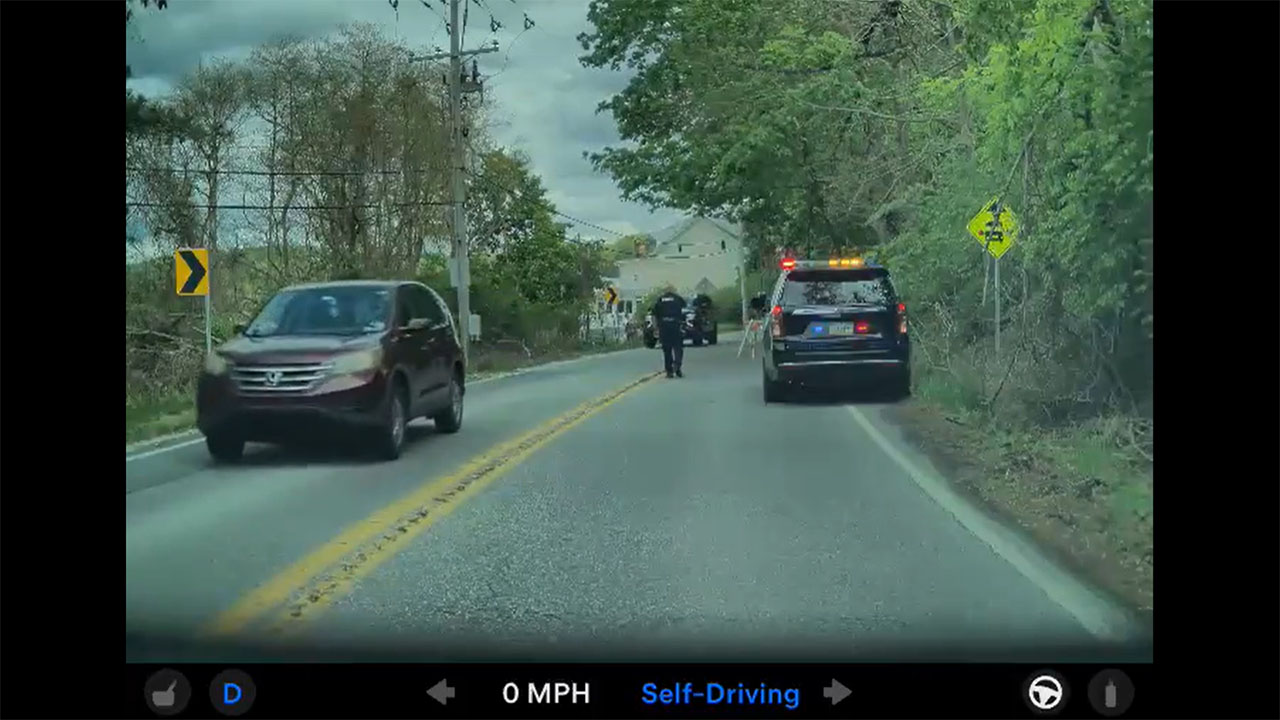
In a move that has tempered near-term expectations for its most ambitious project, Tesla's latest quarterly earnings report contained a subtle but significant shift in language regarding its planned Robotaxi rollout. While reaffirming the launch of a dedicated "Cybercab" later this year, the company's statements suggest the initial service footprint will be notably smaller than previously indicated, with availability now seemingly scaled back in five of the eight announced U.S. cities.
A Strategic Retreat or a Reality Check?
The adjustment, buried within the broader financial results, marks a pragmatic recalibration for a project that sits at the heart of Tesla's long-term valuation thesis. Initially, Tesla had named eight cities as launch locations for its autonomous ride-hailing network. The latest communication, however, emphasizes a more focused initial deployment. This shift points to the immense complexity of scaling a fully autonomous service, likely involving regulatory hurdles, infrastructure readiness, and the need for extensive real-world validation in diverse urban environments. It signals a prioritization of depth over breadth, ensuring a more controlled and successful launch in a limited number of markets first.
The Core Technology and Remaining Timeline
Despite the scaled-back geographic launch, Tesla's commitment to the underlying technology appears unwavering. The earnings call reinforced that development of the dedicated Robotaxi vehicle is on track for a reveal on August 8, 2024. Furthermore, the company continues to bank on its "vision-only" approach to autonomy, leveraging its fleet of millions of customer vehicles to gather data and refine its Full Self-Driving (FSD) software. The implication is clear: the delay in widespread city availability is a deployment and operational challenge, not a fundamental setback in the core AI and vehicle development. The focus is now on creating a flawless, commercially viable service in a few key locations before expanding.
For Tesla owners and investors, this news carries layered implications. The more conservative rollout may disappoint those expecting an immediate, large-scale disruption. However, a measured approach could ultimately de-risk the project, reducing the potential for high-profile failures that could attract regulatory scrutiny and damage public trust. Success in two or three initial cities would provide a powerful proof-of-concept, potentially validating the company's long-term revenue model from autonomy. In the short term, investor attention will likely intensify on the August unveiling and any subsequent updates on FSD software adoption, which remains a critical revenue stream and data pipeline. The Robotaxi dream is not deferred, but its path to ubiquity looks more deliberate and strategically staged than some had hoped.