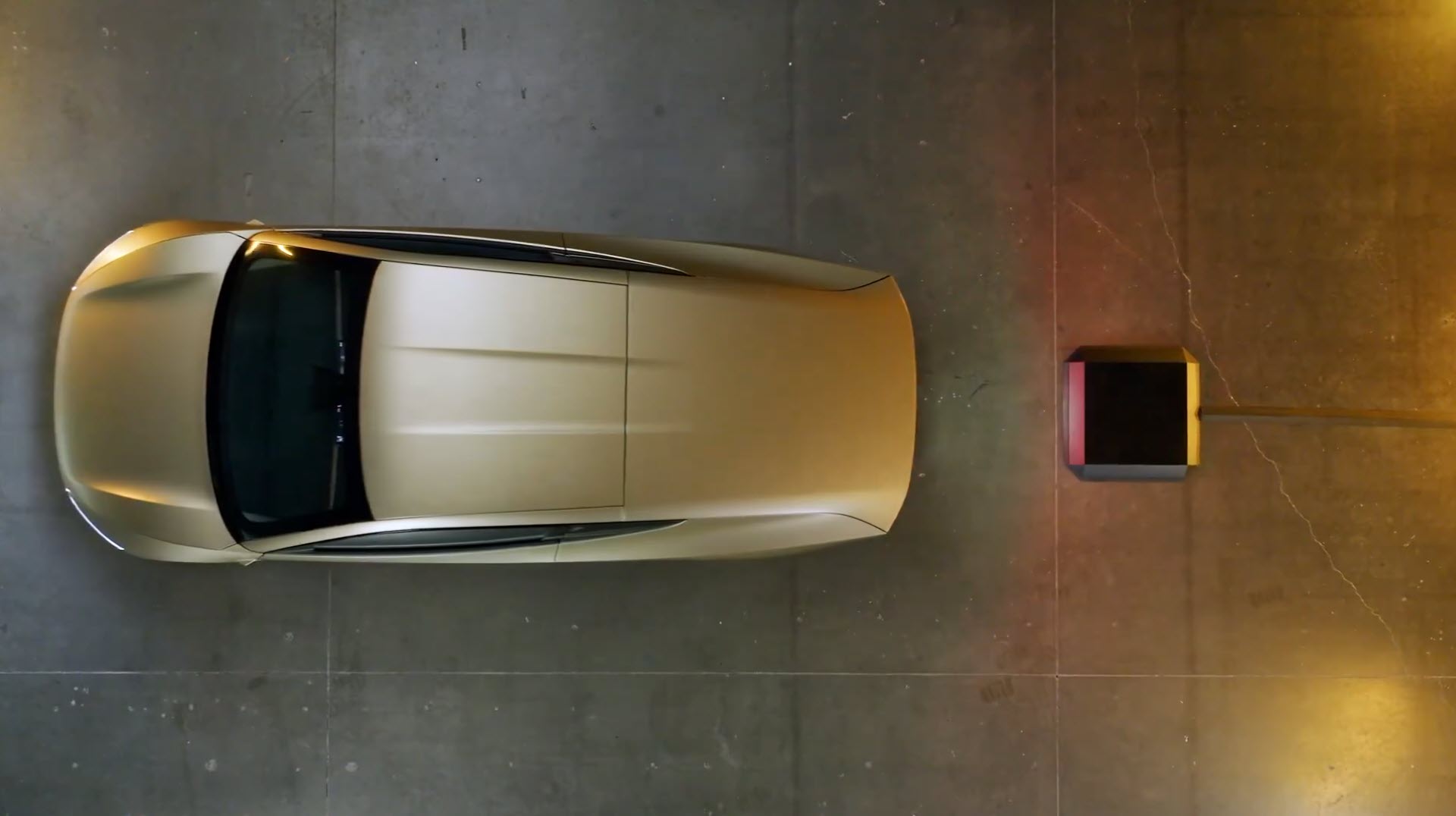
In a pivotal regulatory win, Tesla has secured a critical waiver from the Federal Communications Commission (FCC), clearing the path for a key component of its autonomous future. The waiver permits Tesla to operate its proprietary Ultra-Wideband (UWB) radio technology at higher power levels than typically allowed, a move essential for the precision alignment and operation of its upcoming wireless EV charging system. This decision is widely seen as a foundational step for the "Cybercab" ecosystem, where autonomous vehicles must be able to charge themselves without human intervention.
Unlocking the Power of Ultra-Wideband
The FCC's ruling specifically addresses the use of UWB for a vehicle's "enhanced location and tracking" capabilities. For Tesla's wireless charging to function reliably, the vehicle and the charging pad must be aligned with millimeter-level precision. The granted waiver allows Tesla's system to operate in the 6.5-7.25 GHz frequency band at a higher power spectral density, ensuring a robust and accurate signal even in challenging environmental conditions. This technical leap is non-negotiable for a fully autonomous service; a robotaxi cannot afford to waste time or energy repeatedly attempting to dock for a charge.
Beyond Convenience: The Cybercab Imperative
While wireless charging offers a convenience factor for consumer electric vehicles, for Tesla's planned Cybercab network, it is an operational necessity. The entire economic model of a profitable, high-utilization robotaxi fleet depends on maximizing uptime. A seamless, automated charging process that occurs between passenger trips is paramount. This FCC approval suggests Tesla's hardware roadmap is advancing in lockstep with its software ambitions, indicating that the infrastructure needed to support a commercial autonomous fleet is moving from concept to regulatory reality.
The waiver also signals a forward-looking stance from a key U.S. regulator, acknowledging that existing rules must sometimes adapt to enable next-generation technology. By granting this petition, the FCC has effectively endorsed the technical approach Tesla is taking for its automated charging solution. This regulatory green light provides Tesla with a distinct competitive advantage, as it can now proceed with confidence in developing and deploying a system that others may struggle to replicate without similar approvals.
Implications for the Tesla Ecosystem
For Tesla investors, this development is a tangible sign of progress on Elon Musk's vision of an integrated autonomy and sustainable transport ecosystem. It reduces a significant execution risk for the Cybercab platform and reinforces the company's vertical integration strategy. For future Tesla owners, particularly those anticipating the dedicated robotaxi, it validates the company's commitment to solving the practical, real-world hurdles of autonomy. While consumer wireless charging may follow, this regulatory milestone is fundamentally about building the invisible backbone for a self-driving future, one where your Tesla earns you money while it charges itself.