A new legal battle is casting a harsh spotlight on the complex interplay between driver responsibility and advanced vehicle technology. Tesla has filed a forceful response to a wrongful death lawsuit, categorically denying its Autopilot system was involved in a fatal 2022 Model 3 crash and instead placing the blame squarely on the driver, whom it alleges was intoxicated and manually operating the vehicle.
The Crash and Tesla's Legal Defense
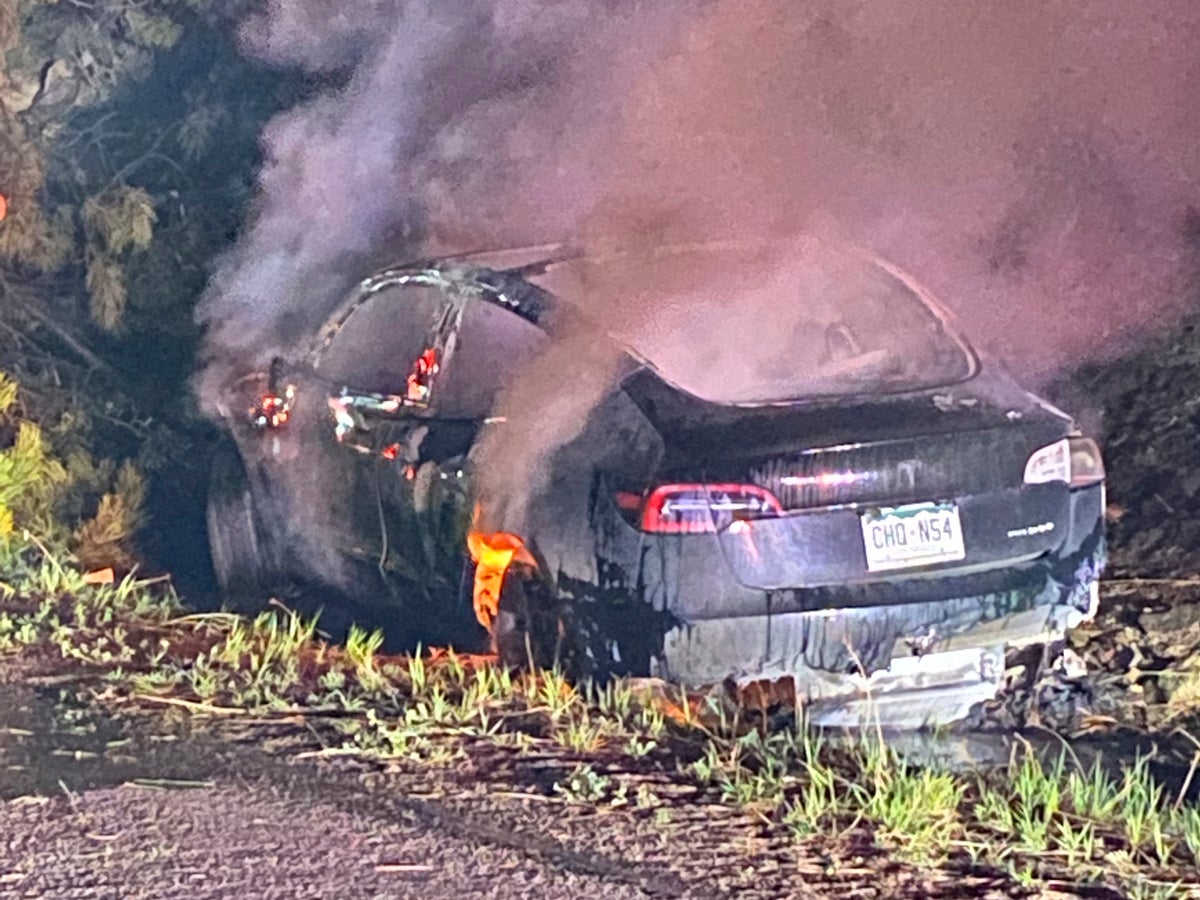
According to court documents, the incident occurred in Palm Beach County, Florida, when a Tesla Model 3 left the roadway and struck a tree. The driver, Owen Diaz, and a passenger were both killed. In its legal response, Tesla states that data recovered from the vehicle proves Autopilot was not engaged at any time during the journey. The company further asserts that Diaz's blood alcohol content was 0.238%, nearly three times Florida's legal limit. Tesla's core argument is that this was a tragic case of impaired driving, not a failure of its driver-assistance software.
The Broader Context of Tesla's Legal Battles
This case arrives amidst a heightened period of scrutiny for Tesla's Autopilot and Full Self-Driving systems. The National Highway Traffic Safety Administration (NHTSA) has multiple open investigations into the technology, and several other high-profile lawsuits are pending. Tesla's strategy in this particular suit is clear: to aggressively decouple the crash from its technology by presenting concrete vehicle data. This approach underscores the company's ongoing effort to manage legal and reputational risk by emphasizing that its systems are driver-assistance features, not autonomous driving solutions, and that human drivers must remain fully attentive and in control.
The plaintiff's allegations, which claim a defect caused the vehicle to veer off the road, now face Tesla's specific and data-driven rebuttal. The coming legal discovery and expert testimony will likely focus on the forensic interpretation of the vehicle's data logs and the circumstances leading to the crash. This case exemplifies the challenging evidentiary battles that define modern electric vehicle litigation, where onboard data often becomes the star witness for both sides.
Implications for Owners and the EV Industry
For Tesla owners and investors, this lawsuit is a stark reminder of the non-negotiable primacy of driver accountability. Regardless of a vehicle's technological capabilities, the legal operator is ultimately responsible for its safe operation. Tesla's vigorous defense also signals its intent to fight claims it views as unfounded, potentially setting precedents for how similar cases are argued. For the broader EV industry, the ongoing legal and regulatory attention on advanced driver-assistance systems reinforces the need for crystal-clear communication about system limitations to customers. As technology evolves, so too does the legal landscape, making owner education and adherence to usage guidelines more critical than ever.