![Tesla rolls out FSD v14.3 with upgraded neural networks and improved decision-making [2026.2.9.6]](https://driveteslacanada.ca/wp-content/uploads/2026/01/fsd-inside.png)
After a slight but notable delay, Tesla has initiated the critical deployment of its Full Self-Driving (Supervised) v14.3 software, marking a pivotal step in its autonomous driving roadmap. This latest iteration, identified as version 2026.2.9.6, is now making its way to the fleet, but with a significant hardware prerequisite: it is currently exclusive to vehicles equipped with the latest Hardware 4 (HW4/AI4) suite. The targeted rollout underscores Tesla's continued evolution from rule-based coding to a vision-centric, neural network-driven system, promising a more intuitive and human-like driving experience.
The Core Advancements: Neural Nets Take the Wheel
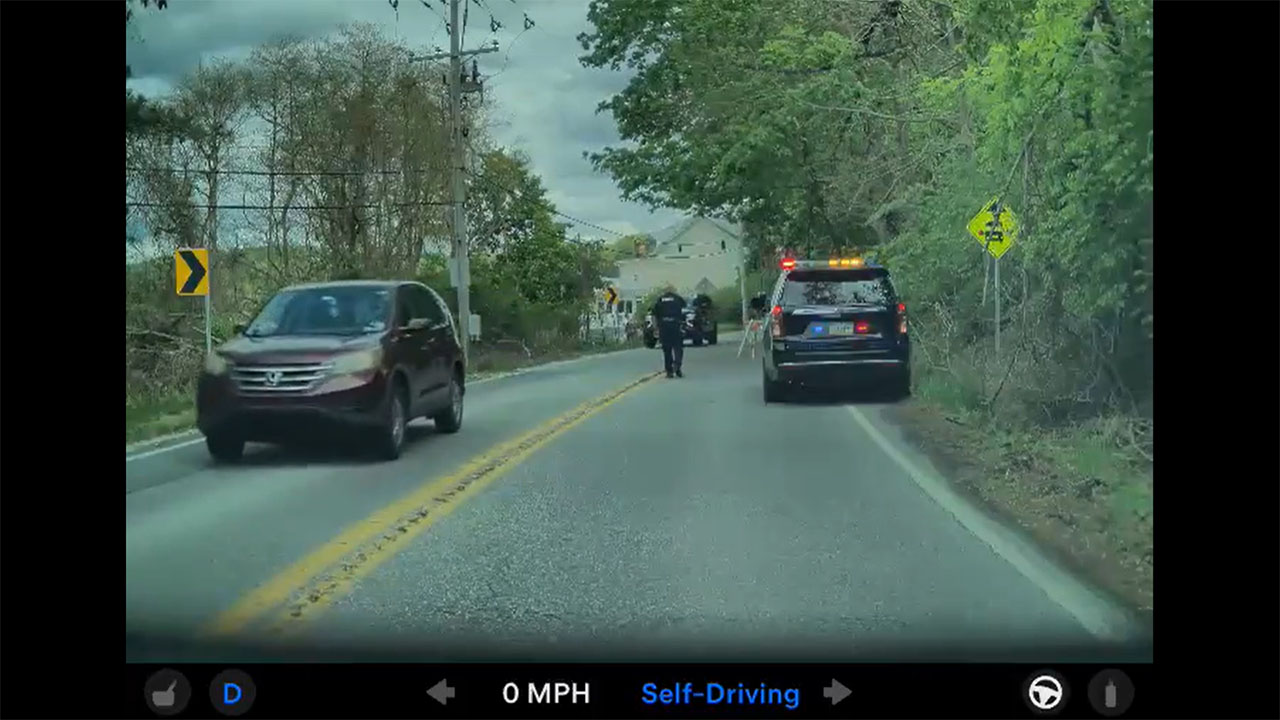
FSD v14.3 is not a mere incremental update; it represents a foundational shift under the hood. The core improvement lies in its upgraded neural networks, which have been expanded and refined to process vast amounts of visual data more efficiently. Tesla's AI engineers have focused on enhancing the system's perception and decision-making algorithms, allowing the vehicle to interpret complex driving scenarios with greater contextual awareness. This means improved handling of ambiguous situations—like unmarked intersections, erratic pedestrian behavior, or complex construction zones—where the car must predict and react to subtle cues that were previously challenging for automated systems.
Immediate User Experience and Rolling Deployment
For the first wave of eligible owners, the update should manifest as smoother, more confident maneuvers and reduced instances of "phantom braking" or hesitant acceleration. Early reports suggest the system exhibits better path planning on city streets and a more natural flow in traffic. However, as with all FSD rollouts, this is a gradual process. Tesla employs a staged deployment, typically starting with a small percentage of its employee and beta tester fleet before expanding to a broader customer base. This cautious approach allows for real-world data collection and the swift mitigation of any unforeseen edge cases before wide release.
The decision to limit v14.3 to HW4 vehicles highlights the growing importance of advanced hardware in Tesla's autonomy equation. HW4's higher-resolution cameras, more powerful processing board, and refined radar integration provide the necessary sensor fidelity and computational bandwidth for these more demanding neural networks. It creates a tangible differentiation within the Tesla ecosystem and may accelerate the upgrade cycle for owners of older hardware who are invested in the FSD capability.
For Tesla investors and owners, this rollout is a multi-faceted signal. It demonstrates tangible, iterative progress on Elon Musk's long-term autonomy vision, a key pillar of the company's valuation. For HW4 owners, it validates their hardware investment and delivers an enhanced, cutting-edge product. For the broader EV market, it maintains Tesla's formidable lead in real-world AI driver-assist deployment, putting competitive pressure on rivals. The success and safety record of v14.3 will be closely watched, as each successful update brings the company closer to the holy grail of unsupervised autonomy and the eventual launch of its robotaxi network.